

ADVERTISEMENT

Empathy beyond boundaries: Appolain Siewe's 'Code of Fear' unveils the struggle for LGBTQ+ rights in Cameroon

Published Apr 5, 2024 10:48 pm

At A Glance

  • "Code of Fear" transcends its geographical and cultural settings to address universal themes of acceptance, empathy, and the fight for equality. 
Code of Black 1.jpg

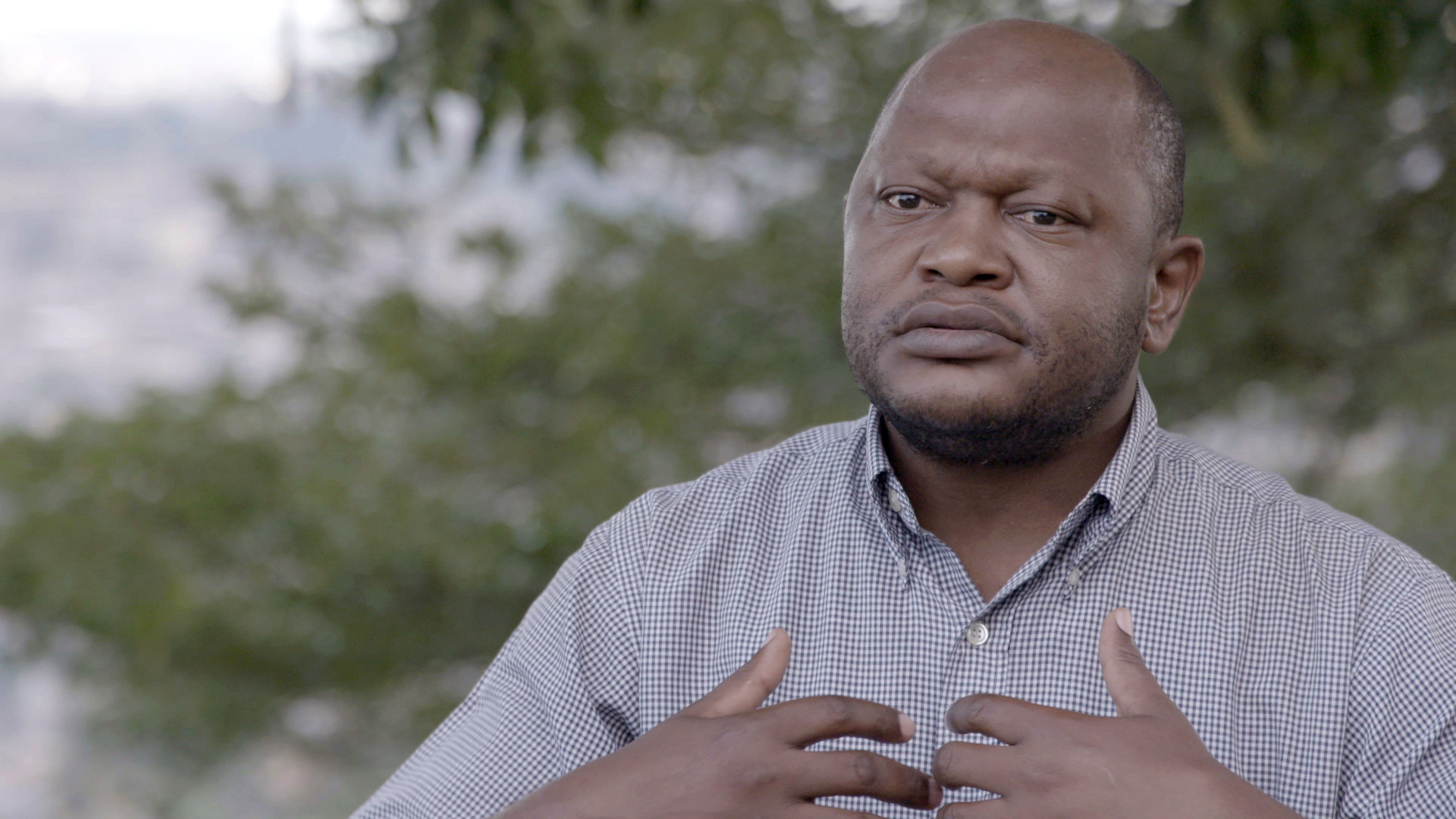
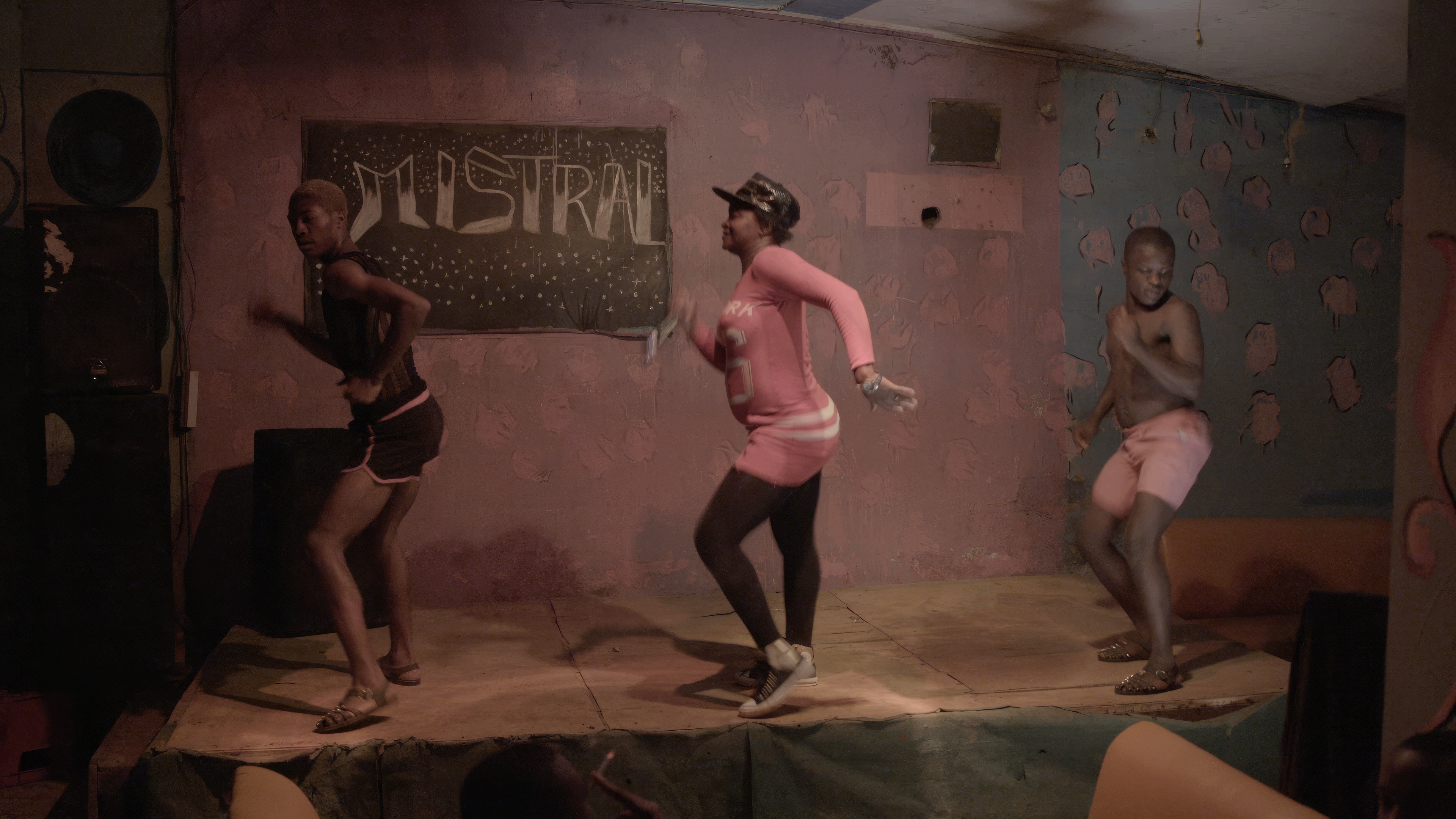
"Code of Fear" is a poignant and compelling documentary that delves into the roots of homophobia in Cameroon, a country where homosexuality is not just socially stigmatized but also criminally punishable. Directed by Appolain Siewe, the film emerges not just as a narrative of struggle and oppression but as a profound exploration of cultural psyche, societal norms, and the remnants of colonial legacies that continue to shape attitudes toward homosexuality in Cameroon.

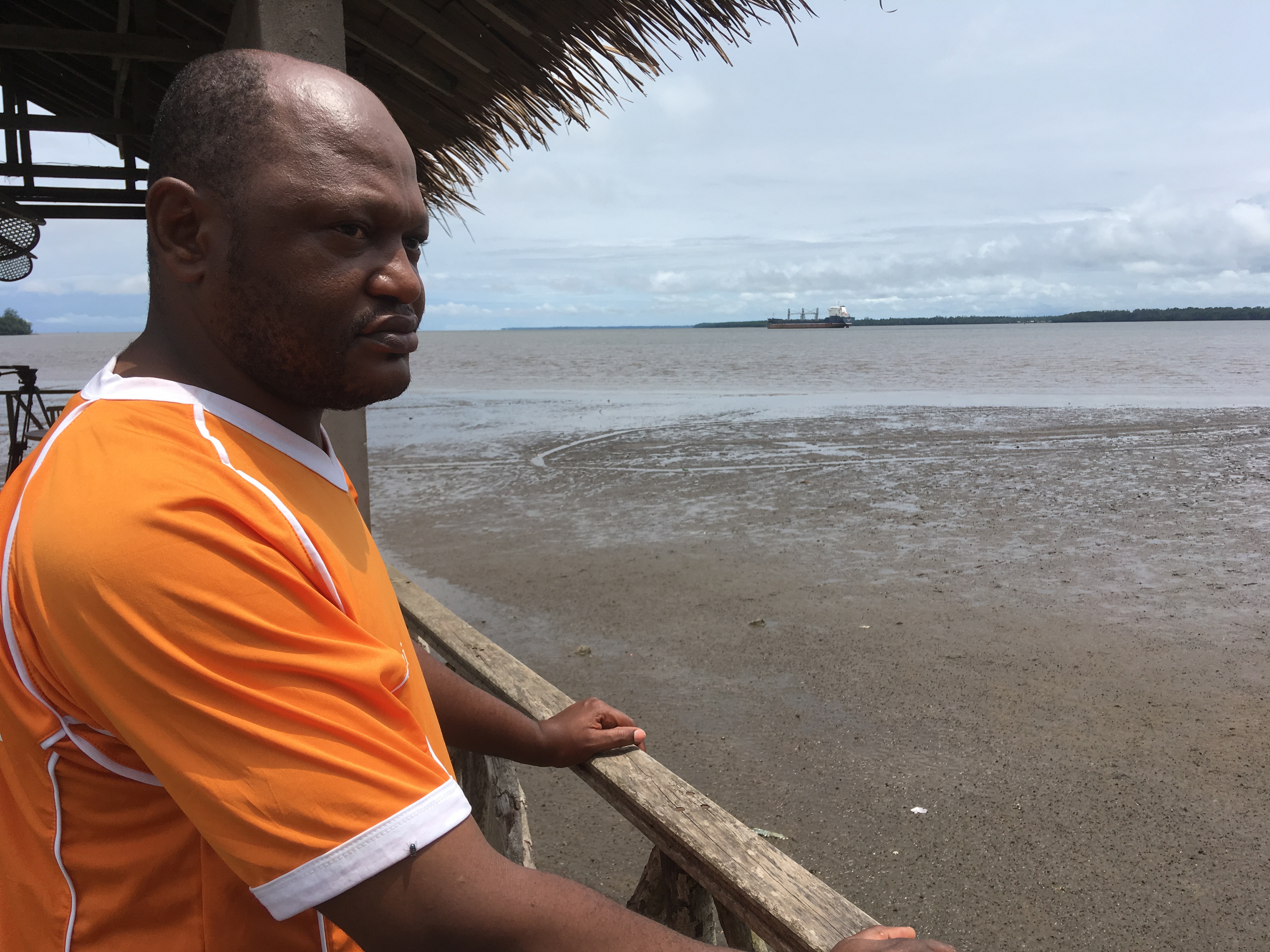
The film gains its strength and authenticity from Siewe's personal connection to the country and his courage to confront uncomfortable truths. Born and raised in Cameroon, Siewe set out with the intention to understand what fuels the hatred towards homosexuals in a country he thought he knew. This journey of exploration becomes a broader inquiry into the societal and historical contexts that cultivate such deep-seated prejudices. 
Code of Black 2.jpg

One of the most stirring aspects of "Code of Fear" is its dedication to Eric Lembembe, a journalist and gay rights activist brutally murdered in 2013. Lembembe's death is not just a focal point but a catalyst that influenced Siewe's perspective on LGBTQ+ rights and the urgency to address the pervasive culture of homophobia. The documentary tactfully uses this event to illustrate the dire consequences of hate, thereby fostering a deeper understanding and empathy among viewers.

Siewe's approach to the documentary is both ethical and respectful, ensuring that the narrative remains true to the experiences and voices within the LGBTQ+ community in Cameroon while navigating the sensitive balance between representation and respect for local culture. The director's own experiences of feeling alien in his homeland and abroad enrich the film's narrative, adding layers to the exploration of identity, acceptance, and the concept of being a citizen of the world.
Code of Black 4.JPG

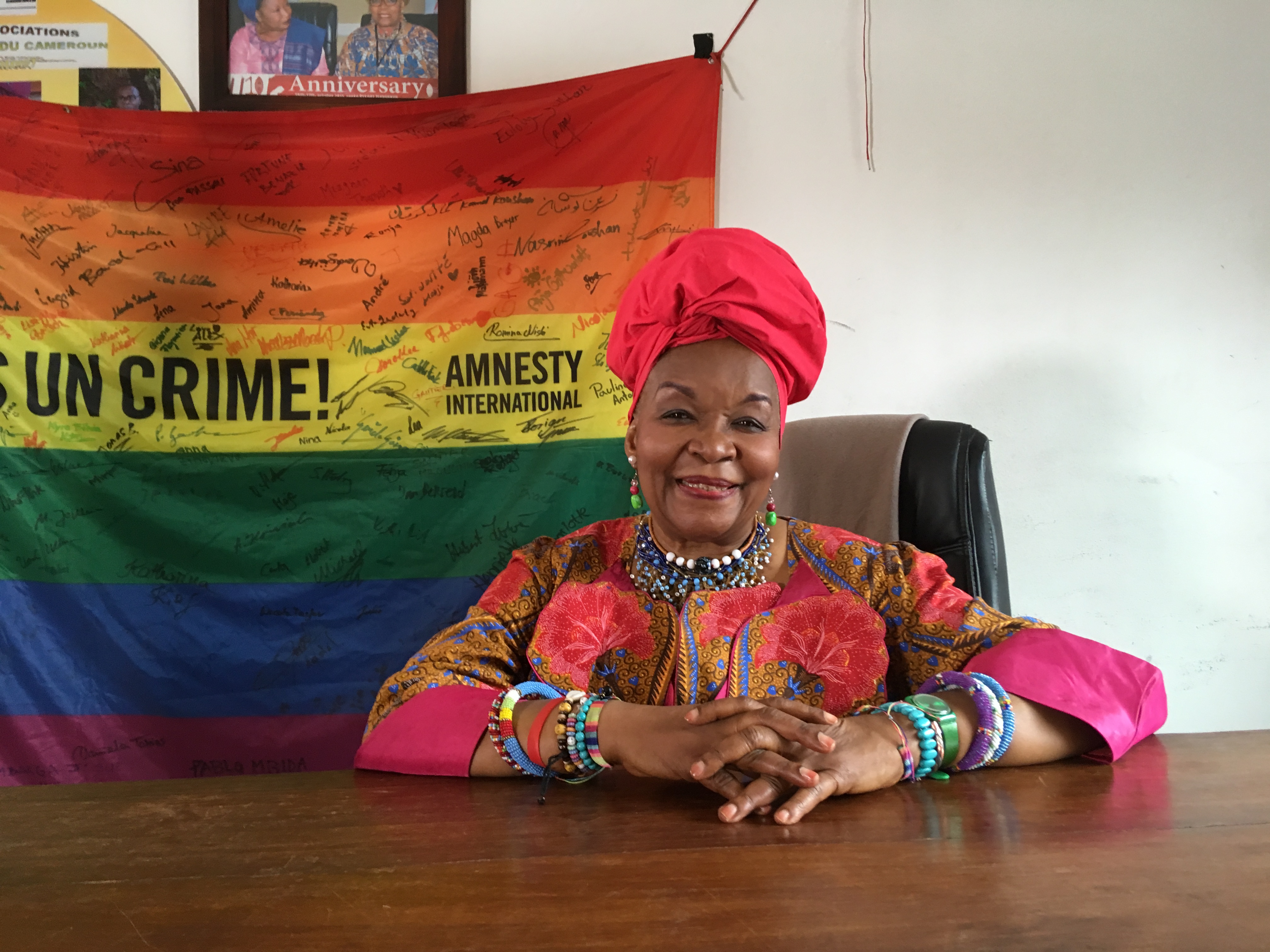
The documentary's storytelling is deliberate and insightful, aiming to amplify the voices affected by homophobia through Siewe's filmmaking. It serves not just as a documentary but as an educational tool that sheds light on the complexities of cultural attitudes towards homosexuality and their impacts. It challenges viewers to confront their own prejudices and to consider the influence of historical, cultural, and societal norms on contemporary issues of sexuality and rights.
Code of Black 3.JPG

"Code of Fear" transcends its geographical and cultural settings to address universal themes of acceptance, empathy, and the fight for equality. The film is a testament to the power of storytelling in advocating for change and understanding. Siewe hopes the documentary will spark conversations and foster understanding about LGBTQ+ rights, both within Cameroon and beyond. Through his film, Siewe invites viewers to challenge stereotypes and promote empathy, paving the way for a world where diversity is celebrated, and equality is not just a distant dream but a tangible reality.

In his insightful interviews, Siewe reveals the depth of his engagement with the subject matter and the thoughtful considerations that guided the film's creation. His reflections offer a glimpse into the heart and soul of "Code of Fear," making it not just a film but a movement towards a more inclusive and understanding society.

ADVERTISEMENT
.most-popular .layout-ratio{ padding-bottom: 79.13%; } @media (min-width: 768px) and (max-width: 1024px) { .widget-title { font-size: 15px !important; } }

{{ articles_filter_1561_widget.title }}

.most-popular .layout-ratio{ padding-bottom: 79.13%; } @media (min-width: 768px) and (max-width: 1024px) { .widget-title { font-size: 15px !important; } }

{{ articles_filter_1562_widget.title }}

.most-popular .layout-ratio{ padding-bottom: 79.13%; } @media (min-width: 768px) and (max-width: 1024px) { .widget-title { font-size: 15px !important; } }

{{ articles_filter_1563_widget.title }}

{{ articles_filter_1564_widget.title }}

.mb-article-details { position: relative; } .mb-article-details .article-body-preview, .mb-article-details .article-body-summary{ font-size: 17px; line-height: 30px; font-family: "Libre Caslon Text", serif; color: #000; } .mb-article-details .article-body-preview iframe , .mb-article-details .article-body-summary iframe{ width: 100%; margin: auto; } .read-more-background { background: linear-gradient(180deg, color(display-p3 1.000 1.000 1.000 / 0) 13.75%, color(display-p3 1.000 1.000 1.000 / 0.8) 30.79%, color(display-p3 1.000 1.000 1.000) 72.5%); position: absolute; height: 200px; width: 100%; bottom: 0; display: flex; justify-content: center; align-items: center; padding: 0; } .read-more-background a{ color: #000; } .read-more-btn { padding: 17px 45px; font-family: Inter; font-weight: 700; font-size: 18px; line-height: 16px; text-align: center; vertical-align: middle; border: 1px solid black; background-color: white; } .hidden { display: none; }
function initializeAllSwipers() { // Get all hidden inputs with cms_article_id document.querySelectorAll('[id^="cms_article_id_"]').forEach(function (input) { const cmsArticleId = input.value; const articleSelector = '#article-' + cmsArticleId + ' .body_images'; const swiperElement = document.querySelector(articleSelector); if (swiperElement && !swiperElement.classList.contains('swiper-initialized')) { new Swiper(articleSelector, { loop: true, pagination: false, navigation: { nextEl: '#article-' + cmsArticleId + ' .swiper-button-next', prevEl: '#article-' + cmsArticleId + ' .swiper-button-prev', }, }); } }); } setTimeout(initializeAllSwipers, 3000); const intersectionObserver = new IntersectionObserver( (entries) => { entries.forEach((entry) => { if (entry.isIntersecting) { const newUrl = entry.target.getAttribute("data-url"); if (newUrl) { history.pushState(null, null, newUrl); let article = entry.target; // Extract metadata const author = article.querySelector('.author-section').textContent.replace('By', '').trim(); const section = article.querySelector('.section-info ').textContent.replace(' ', ' '); const title = article.querySelector('.article-title h1').textContent; // Parse URL for Chartbeat path format const parsedUrl = new URL(newUrl, window.location.origin); const cleanUrl = parsedUrl.host + parsedUrl.pathname; // Update Chartbeat configuration if (typeof window._sf_async_config !== 'undefined') { window._sf_async_config.path = cleanUrl; window._sf_async_config.sections = section; window._sf_async_config.authors = author; } // Track virtual page view with Chartbeat if (typeof pSUPERFLY !== 'undefined' && typeof pSUPERFLY.virtualPage === 'function') { try { pSUPERFLY.virtualPage({ path: cleanUrl, title: title, sections: section, authors: author }); } catch (error) { console.error('ping error', error); } } // Optional: Update document title if (title && title !== document.title) { document.title = title; } } } }); }, { threshold: 0.1 } ); function showArticleBody(button) { const article = button.closest("article"); const summary = article.querySelector(".article-body-summary"); const body = article.querySelector(".article-body-preview"); const readMoreSection = article.querySelector(".read-more-background"); // Hide summary and read-more section summary.style.display = "none"; readMoreSection.style.display = "none"; // Show the full article body body.classList.remove("hidden"); } document.addEventListener("DOMContentLoaded", () => { let loadCount = 0; // Track how many times articles are loaded const offset = [1, 2, 3, 4, 5, 6, 7, 8, 9, 10]; // Offset values const currentUrl = window.location.pathname.substring(1); let isLoading = false; // Prevent multiple calls if (!currentUrl) { console.log("Current URL is invalid."); return; } const sentinel = document.getElementById("load-more-sentinel"); if (!sentinel) { console.log("Sentinel element not found."); return; } function isSentinelVisible() { const rect = sentinel.getBoundingClientRect(); return ( rect.top < window.innerHeight && rect.bottom >= 0 ); } function onScroll() { if (isLoading) return; if (isSentinelVisible()) { if (loadCount >= offset.length) { console.log("Maximum load attempts reached."); window.removeEventListener("scroll", onScroll); return; } isLoading = true; const currentOffset = offset[loadCount]; window.loadMoreItems().then(() => { let article = document.querySelector('#widget_1690 > div:nth-last-of-type(2) article'); intersectionObserver.observe(article) loadCount++; }).catch(error => { console.error("Error loading more items:", error); }).finally(() => { isLoading = false; }); } } window.addEventListener("scroll", onScroll); });

Sign up by email to receive news.