






 Philippines
National
'Abnormal' price of rice in world market triggers faster inflation in March--Salceda
Philippines
National
'Abnormal' price of rice in world market triggers faster inflation in March--Salceda
'Abnormal' price of rice in world market triggers faster inflation in March--Salceda


At A Glance
- Economist-solon Albay 1st district Rep. Joey Salceda says the Philippines continues to feel the effects of the "abnormal" price of rice in global market, thus the higher inflation rate this March.
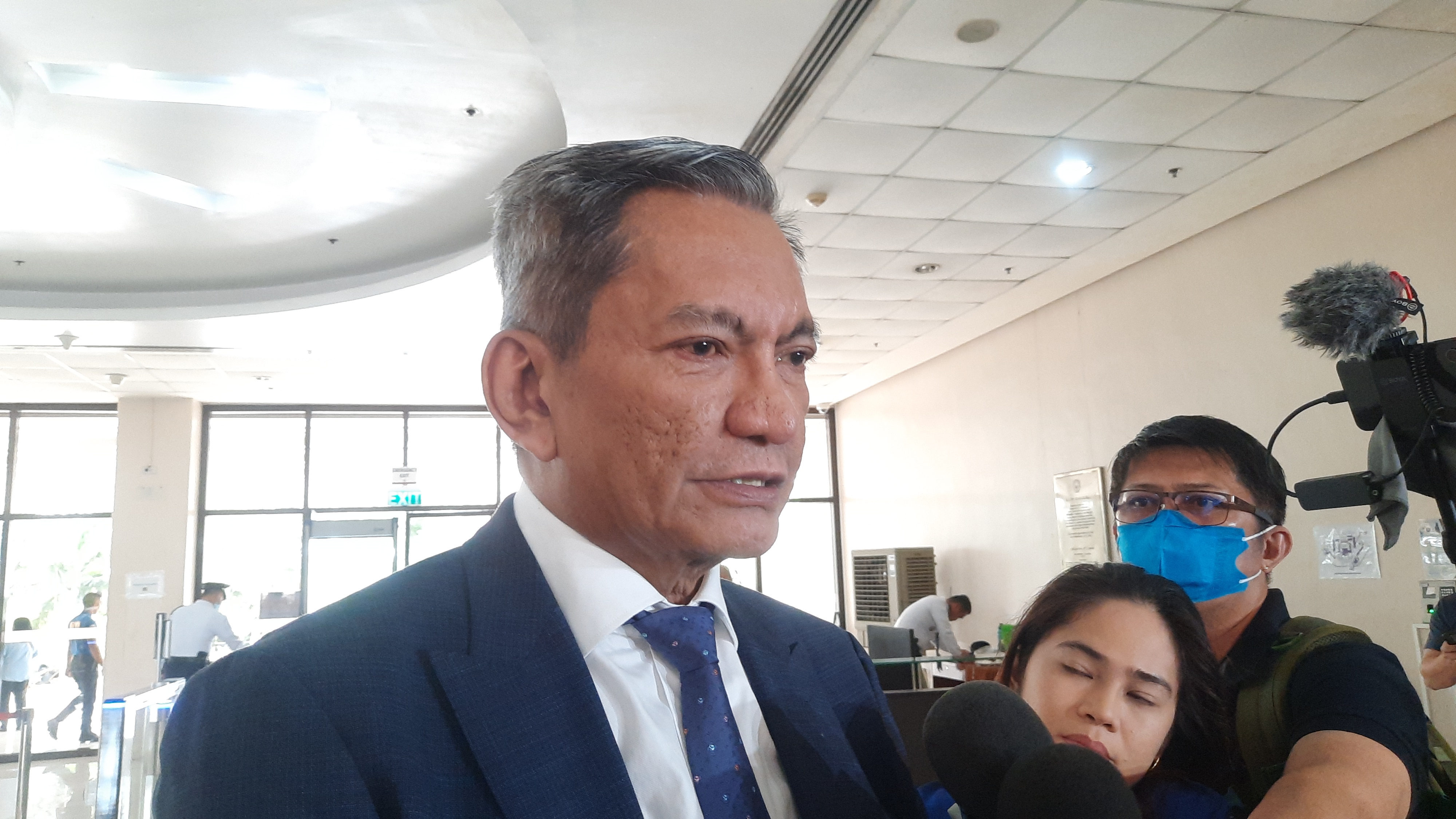 Albay 2nd district Rep. Joey Salceda (Ellson Quismorio/ MANILA BULLETIN)
The Philippines continues to feel the effects of the "abnormal" price of rice in global market, thus the higher inflation rate this past month.
Economist-solon Albay 1st district Rep. Joey Salceda gave this explanation Friday, April 5 even as inflation for March raced to 3.7 percent, from 3.4 percent last February.
"As I said last month, once again, it’s all about rice," said Salceda.
"Food inflation accounts for some 57 percent of the total inflation this March. Without the abnormal price of rice in the global market, inflation would have been closer to 3.1 percent, which is well within acceptable range," he noted.
"Corn prices are declining. Fish prices are down. Vegetables are cheaper this year than last year. And even sugar prices are slightly down. Bread prices are mildly up, but that is attributable partly due to the correlated prices of wheat and rice, especially in India where they are substitutes," he said.
"The game plan must be focused on rice," Salceda said, referring to the country’s staple grain.
At any rate, the Bicolano hailed Department of Agriculture (DA) Secretary Francisco Tiu-Laurel's actions this year. He said that the secretary has been more aggressive with distributing rice production support this quarter.
He said Tiu-Laurel has brought machinery distribution, for example, to about 92 percent of target. On top of this, the P12 billion rice farmer financial assistance is also set to be completed this June – again, just in time for planting.
"The DA has also been more active with delivering programs from the Survival and Recovery (SURE) Loan program of the Agricultural Credit Policy Council (ACPC). The Philippine Crop Insurance Corporation has also begun to issue indemnity insurance payments to farmers affected by drought," Salceda said.
"There is significant progress being made in the DA, and his governance clean-up of the NFA will also help make cheap rice available to the poor, as well as provide a better market for rice farmers," he said of Tiu-Laurel.
The solon further said, "Because rice is the greatest driver of overall prices, and rice requires the most irrigation of all major crops, the greatest upside risk to inflation moving forward is El Niño."
El Niño refers to the worsened dry season that some parts of the country are experiencing.