

ADVERTISEMENT

DOH warns of dehydration risks due to extreme heat

Published Apr 3, 2024 05:11 am

Department of Health (DOH) Secretary Teodoro Herbosa urged the public to exercise caution due to the risk of dehydration during the "summer" months.
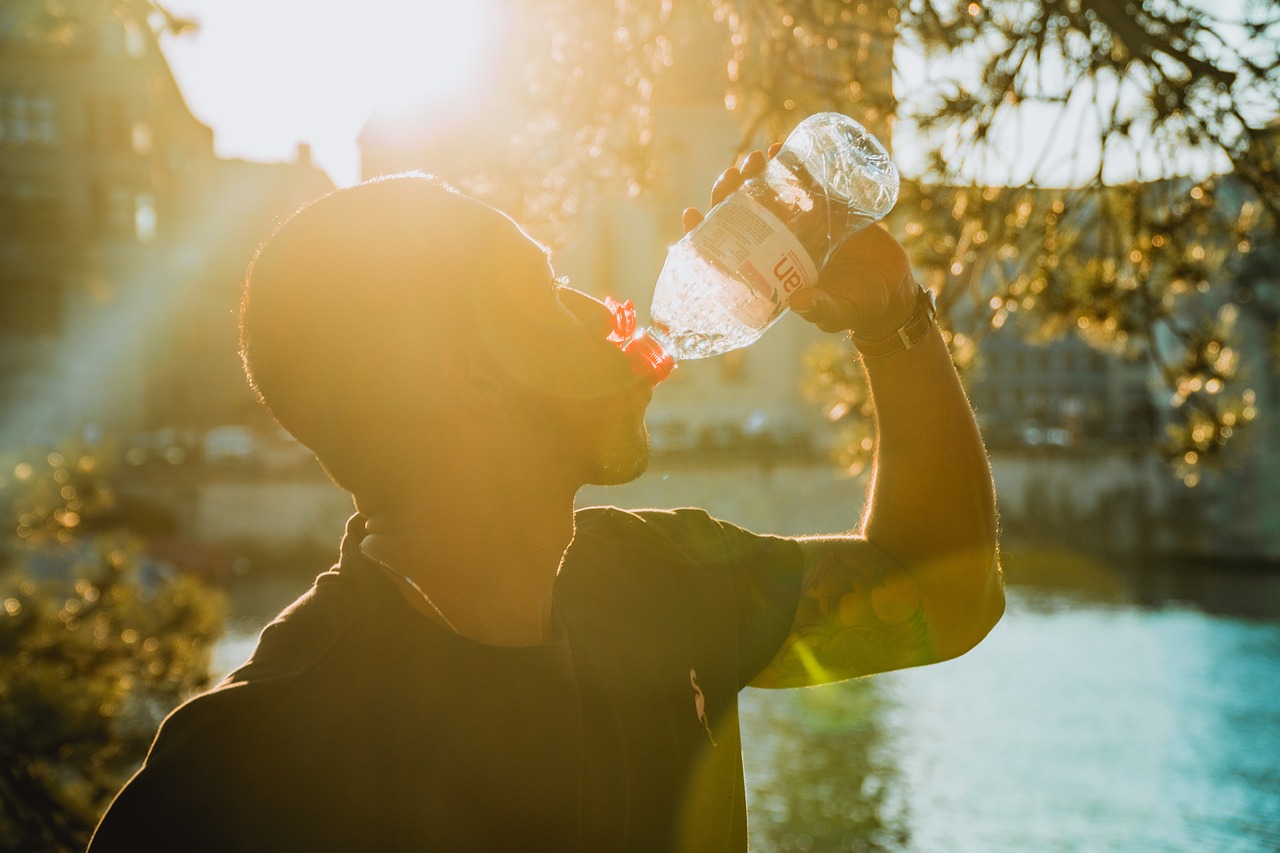
drink-5011975_1280.jpg
Photo from Pixabay

"Mag-u-umpisa 'yan sa dehydration, kung nasa labas ka, nagta-trabaho ka o nag-i-sports ka o batang naglalaro, madali kang ma-de-dehydrate (It starts with dehydration; whether you're outdoors, working, engaging in sports, or children playing, you can easily get dehydrated)," Herbosa said in a TeleRadyo Serbisyo interview on Wednesday, April 3.

He explained that dehydration results from the body losing excessive fluids through sweating.

"Kung minsan hindi ka pawis pero natutuyuan ka ng pawis sa katawan at minsan mararamdaman mo na uhaw na uhaw ka (Sometimes, you may not be sweating visibly, but you still feel extremely thirsty)," Herbosa said.

He stressed that experiencing thirst signals “inadequate hydration.”

"In fact, kapag umihi ka at nakita mong dilaw na dilaw ang ihi mo, ibig sabihin kulang ang water sa katawan mo (In fact, if you urinate and notice that it's a very dark yellow color, it means your body lacks water)," said Herbosa.

Given that the human body comprises 70 percent water, he warned of the susceptibility to dehydration during hot weather.

"Maraming problema with dehydration, manghihina, manlalambot ka at tutuloy ito kung 'di ka iinom ng tubig at magiging heat cramps (There are many issues with dehydration; you may feel weak, your muscles may become limp, and if you don't drink water, it can lead to heat cramps)," he said.

"You could experience cramps; for example, those who engage in prolonged sports activities may experience muscle cramps, which can become stiff," Herbosa said. "This is caused by an imbalance in electrolytes."

He also cautioned that heat exhaustion, characterized by extreme fatigue from intense heat, can escalate to heat stroke and unconsciousness if heat exposure persists.

"If exposure to heat continues, it can lead to heat stroke and loss of consciousness," Herbosa added.

He underscored the seriousness of heat stroke, noting its potential to induce paralysis, particularly in individuals with hypertension, and even fatal heart arrhythmias.

"Hindi po init lang ito, mahalaga na maging maingat (This isn't just about heat; it's important to be cautious)," he noted.

Related Tags

DEHYDRATION Extreme heat DOH
ADVERTISEMENT
.most-popular .layout-ratio{ padding-bottom: 79.13%; } @media (min-width: 768px) and (max-width: 1024px) { .widget-title { font-size: 15px !important; } }

{{ articles_filter_1561_widget.title }}

.most-popular .layout-ratio{ padding-bottom: 79.13%; } @media (min-width: 768px) and (max-width: 1024px) { .widget-title { font-size: 15px !important; } }

{{ articles_filter_1562_widget.title }}

.most-popular .layout-ratio{ padding-bottom: 79.13%; } @media (min-width: 768px) and (max-width: 1024px) { .widget-title { font-size: 15px !important; } }

{{ articles_filter_1563_widget.title }}

{{ articles_filter_1564_widget.title }}

.mb-article-details { position: relative; } .mb-article-details .article-body-preview, .mb-article-details .article-body-summary{ font-size: 17px; line-height: 30px; font-family: "Libre Caslon Text", serif; color: #000; } .mb-article-details .article-body-preview iframe , .mb-article-details .article-body-summary iframe{ width: 100%; margin: auto; } .read-more-background { background: linear-gradient(180deg, color(display-p3 1.000 1.000 1.000 / 0) 13.75%, color(display-p3 1.000 1.000 1.000 / 0.8) 30.79%, color(display-p3 1.000 1.000 1.000) 72.5%); position: absolute; height: 200px; width: 100%; bottom: 0; display: flex; justify-content: center; align-items: center; padding: 0; } .read-more-background a{ color: #000; } .read-more-btn { padding: 17px 45px; font-family: Inter; font-weight: 700; font-size: 18px; line-height: 16px; text-align: center; vertical-align: middle; border: 1px solid black; background-color: white; } .hidden { display: none; }
function initializeAllSwipers() { // Get all hidden inputs with cms_article_id document.querySelectorAll('[id^="cms_article_id_"]').forEach(function (input) { const cmsArticleId = input.value; const articleSelector = '#article-' + cmsArticleId + ' .body_images'; const swiperElement = document.querySelector(articleSelector); if (swiperElement && !swiperElement.classList.contains('swiper-initialized')) { new Swiper(articleSelector, { loop: true, pagination: false, navigation: { nextEl: '#article-' + cmsArticleId + ' .swiper-button-next', prevEl: '#article-' + cmsArticleId + ' .swiper-button-prev', }, }); } }); } setTimeout(initializeAllSwipers, 3000); const intersectionObserver = new IntersectionObserver( (entries) => { entries.forEach((entry) => { if (entry.isIntersecting) { const newUrl = entry.target.getAttribute("data-url"); if (newUrl) { history.pushState(null, null, newUrl); let article = entry.target; // Extract metadata const author = article.querySelector('.author-section').textContent.replace('By', '').trim(); const section = article.querySelector('.section-info ').textContent.replace(' ', ' '); const title = article.querySelector('.article-title h1').textContent; // Parse URL for Chartbeat path format const parsedUrl = new URL(newUrl, window.location.origin); const cleanUrl = parsedUrl.host + parsedUrl.pathname; // Update Chartbeat configuration if (typeof window._sf_async_config !== 'undefined') { window._sf_async_config.path = cleanUrl; window._sf_async_config.sections = section; window._sf_async_config.authors = author; } // Track virtual page view with Chartbeat if (typeof pSUPERFLY !== 'undefined' && typeof pSUPERFLY.virtualPage === 'function') { try { pSUPERFLY.virtualPage({ path: cleanUrl, title: title, sections: section, authors: author }); } catch (error) { console.error('ping error', error); } } // Optional: Update document title if (title && title !== document.title) { document.title = title; } } } }); }, { threshold: 0.1 } ); function showArticleBody(button) { const article = button.closest("article"); const summary = article.querySelector(".article-body-summary"); const body = article.querySelector(".article-body-preview"); const readMoreSection = article.querySelector(".read-more-background"); // Hide summary and read-more section summary.style.display = "none"; readMoreSection.style.display = "none"; // Show the full article body body.classList.remove("hidden"); } document.addEventListener("DOMContentLoaded", () => { let loadCount = 0; // Track how many times articles are loaded const offset = [1, 2, 3, 4, 5, 6, 7, 8, 9, 10]; // Offset values const currentUrl = window.location.pathname.substring(1); let isLoading = false; // Prevent multiple calls if (!currentUrl) { console.log("Current URL is invalid."); return; } const sentinel = document.getElementById("load-more-sentinel"); if (!sentinel) { console.log("Sentinel element not found."); return; } function isSentinelVisible() { const rect = sentinel.getBoundingClientRect(); return ( rect.top < window.innerHeight && rect.bottom >= 0 ); } function onScroll() { if (isLoading) return; if (isSentinelVisible()) { if (loadCount >= offset.length) { console.log("Maximum load attempts reached."); window.removeEventListener("scroll", onScroll); return; } isLoading = true; const currentOffset = offset[loadCount]; window.loadMoreItems().then(() => { let article = document.querySelector('#widget_1690 > div:nth-last-of-type(2) article'); intersectionObserver.observe(article) loadCount++; }).catch(error => { console.error("Error loading more items:", error); }).finally(() => { isLoading = false; }); } } window.addEventListener("scroll", onScroll); });

Sign up by email to receive news.