

ADVERTISEMENT

Celine Dion reveals she does not borrow clothes from top designers: 'I have always bought everything myself'

Published Apr 23, 2024 11:03 pm

At A Glance

  • She said that buying clothes from designers is a form of respect.
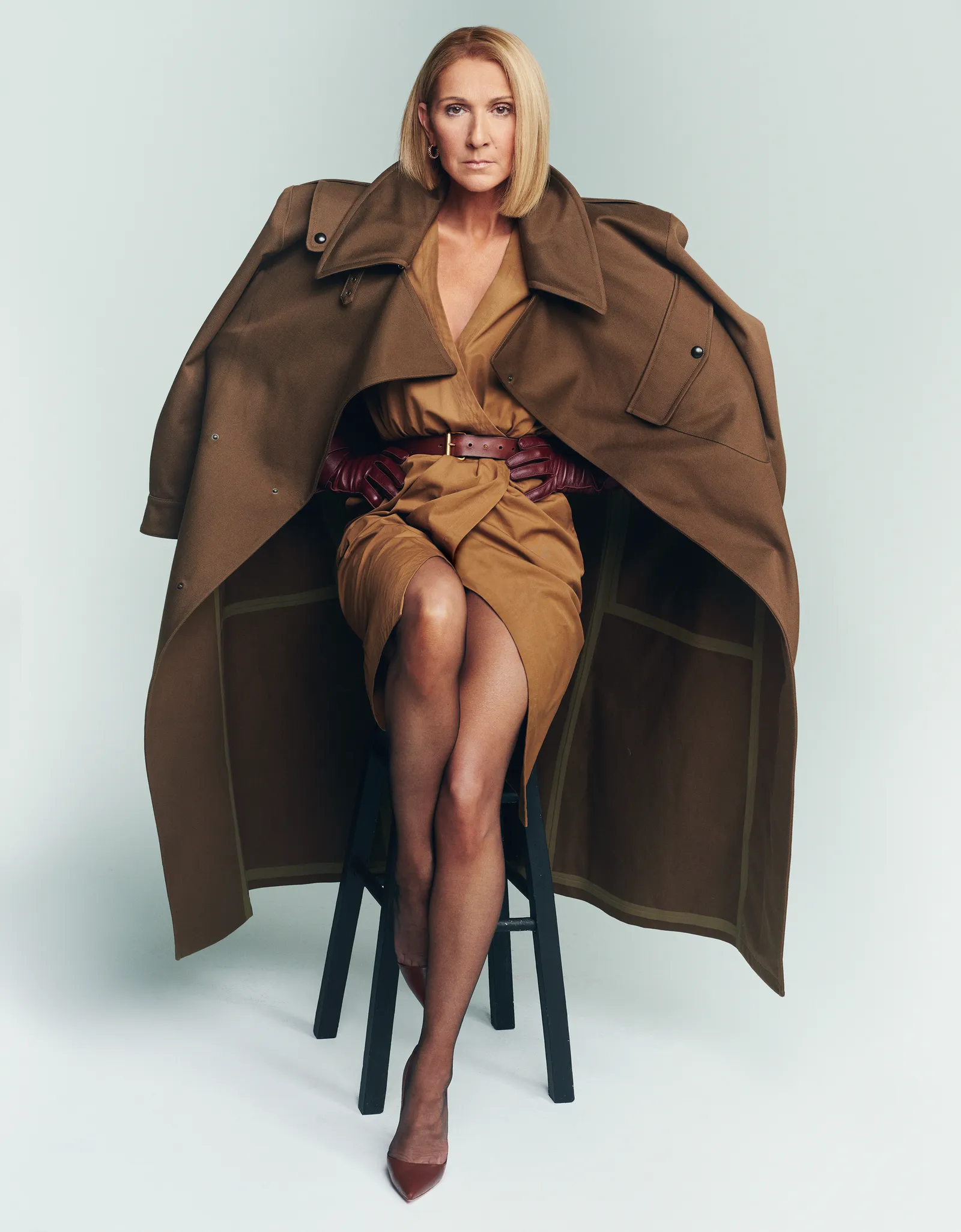
celine1.webp
Trench coat and cotton gabarine wrap dress, leather belt and aviator gloves, nylon tights, SAINT LAURENT by ANTHONY VACCARELLO. So Kate pumps in Nappa leather, CHRISTIAN LOUBOUTIN. Photographe Cass Bird - Réalisation Law Roach. (Vogue France)

Grammy-winning singer Celine Dion has revealed that you would never see her wearing clothes sponsored by top fashion designers: she always buys them.

During an interview for Vogue France, Celine pointed out that she doesn't borrow clothes from designers for special events. She said that buying clothes from designers is a form of respect.

"I have always bought everything myself. I didn’t want to borrow. It’s a form of respect. People pay to come and hear me sing, so I pay to buy myself clothes from designers," she said.

Celine, 55, discussed her relationship with fashion designers.

"I wouldn’t go as far as saying that I collaborate with the designers, as this would be very pretentious of me. On the other hand, I can say that, all my life, my mother mended my tights, sweaters, coats and mittens, all my little things for winter. 

"I was very lucky, because I had 13 brothers and sisters, and I got everyone’s hand-me-downs. When I got my first paycheck, my first paid television appearances I bought clothes for myself and dressed myself. 

"With my first successes, I bought a house for myself and my husband, and for my parents and some family members too. After my first album in English, I was able to buy clothes by designers, and I started to read fashion magazines. 

"And then, I was a guest, and I’ll never forget this show by Karl Lagerfeld… He looked at me and said, “You remind me of La Callas.” I treated myself to a Lagerfeld jacket in the same way that people buy themselves diamonds," said the Canadian chanteuse.

In many cases, Hollywood stars wear expensive clothes sponsored by top designers during events. They may return or keep the clothes.

Celine said her dream is to live in the present "one day at a time."

"My dream is to live in the present. One day at a time. I am truly very lucky. And I am honored to be doing a photo shoot for Vogue France because although I had better health and beauty at 30, I didn’t get asked to do one then. 

"I am very proud that at 55, I am being asked to reveal my beauty. But what is beauty? Beauty is you, it’s me, it’s what’s on the inside, it’s our dreams, it’s today. 

"Beauty is what surrounds us, it is there. There are people that see it, and there are people that observe it. Today, I am a woman, who feels strong and positive about the future. One day at a time," she added.

Amid health issues, Celine said she's has not beaten the disease but she's well.

"I’m well, but it’s a lot of work. I’m taking it one day at a time," she said.

Celine added: "I haven’t beat the disease, as it's still within me and always will be. I hope that we'll find a miracle, a way to cure it with scientific research, but for now I have to learn to live with it. So that's me, now with Stiff Person Syndrome. 

"Five days a week I undergo athletic, physical and vocal therapy. I work on my toes, my knees, my calves, my fingers, my singing, my voice... I have to learn to live with it now and stop questioning myself. 

"At the beginning I would ask myself: why me? How did this happen? What have I done? Is this my fault? 

"Life doesn't give you any answers. You just have to live it! I have this illness for some unknown reason. The way I see it, I have two choices. 

"Either I train like an athlete and work super hard, or I switch off and it’s over, I stay at home, listen to my songs, stand in front of my mirror and sing to myself. 

"I've chosen to work with all my body and soul, from head to toe, with a medical team. I want to be the best I can be. My goal is to see the Eiffel Tower again!"

ADVERTISEMENT
.most-popular .layout-ratio{ padding-bottom: 79.13%; } @media (min-width: 768px) and (max-width: 1024px) { .widget-title { font-size: 15px !important; } }

{{ articles_filter_1561_widget.title }}

.most-popular .layout-ratio{ padding-bottom: 79.13%; } @media (min-width: 768px) and (max-width: 1024px) { .widget-title { font-size: 15px !important; } }

{{ articles_filter_1562_widget.title }}

.most-popular .layout-ratio{ padding-bottom: 79.13%; } @media (min-width: 768px) and (max-width: 1024px) { .widget-title { font-size: 15px !important; } }

{{ articles_filter_1563_widget.title }}

{{ articles_filter_1564_widget.title }}

.mb-article-details { position: relative; } .mb-article-details .article-body-preview, .mb-article-details .article-body-summary{ font-size: 17px; line-height: 30px; font-family: "Libre Caslon Text", serif; color: #000; } .mb-article-details .article-body-preview iframe , .mb-article-details .article-body-summary iframe{ width: 100%; margin: auto; } .read-more-background { background: linear-gradient(180deg, color(display-p3 1.000 1.000 1.000 / 0) 13.75%, color(display-p3 1.000 1.000 1.000 / 0.8) 30.79%, color(display-p3 1.000 1.000 1.000) 72.5%); position: absolute; height: 200px; width: 100%; bottom: 0; display: flex; justify-content: center; align-items: center; padding: 0; } .read-more-background a{ color: #000; } .read-more-btn { padding: 17px 45px; font-family: Inter; font-weight: 700; font-size: 18px; line-height: 16px; text-align: center; vertical-align: middle; border: 1px solid black; background-color: white; } .hidden { display: none; }
function initializeAllSwipers() { // Get all hidden inputs with cms_article_id document.querySelectorAll('[id^="cms_article_id_"]').forEach(function (input) { const cmsArticleId = input.value; const articleSelector = '#article-' + cmsArticleId + ' .body_images'; const swiperElement = document.querySelector(articleSelector); if (swiperElement && !swiperElement.classList.contains('swiper-initialized')) { new Swiper(articleSelector, { loop: true, pagination: false, navigation: { nextEl: '#article-' + cmsArticleId + ' .swiper-button-next', prevEl: '#article-' + cmsArticleId + ' .swiper-button-prev', }, }); } }); } setTimeout(initializeAllSwipers, 3000); const intersectionObserver = new IntersectionObserver( (entries) => { entries.forEach((entry) => { if (entry.isIntersecting) { const newUrl = entry.target.getAttribute("data-url"); if (newUrl) { history.pushState(null, null, newUrl); let article = entry.target; // Extract metadata const author = article.querySelector('.author-section').textContent.replace('By', '').trim(); const section = article.querySelector('.section-info ').textContent.replace(' ', ' '); const title = article.querySelector('.article-title h1').textContent; // Parse URL for Chartbeat path format const parsedUrl = new URL(newUrl, window.location.origin); const cleanUrl = parsedUrl.host + parsedUrl.pathname; // Update Chartbeat configuration if (typeof window._sf_async_config !== 'undefined') { window._sf_async_config.path = cleanUrl; window._sf_async_config.sections = section; window._sf_async_config.authors = author; } // Track virtual page view with Chartbeat if (typeof pSUPERFLY !== 'undefined' && typeof pSUPERFLY.virtualPage === 'function') { try { pSUPERFLY.virtualPage({ path: cleanUrl, title: title, sections: section, authors: author }); } catch (error) { console.error('ping error', error); } } // Optional: Update document title if (title && title !== document.title) { document.title = title; } } } }); }, { threshold: 0.1 } ); function showArticleBody(button) { const article = button.closest("article"); const summary = article.querySelector(".article-body-summary"); const body = article.querySelector(".article-body-preview"); const readMoreSection = article.querySelector(".read-more-background"); // Hide summary and read-more section summary.style.display = "none"; readMoreSection.style.display = "none"; // Show the full article body body.classList.remove("hidden"); } document.addEventListener("DOMContentLoaded", () => { let loadCount = 0; // Track how many times articles are loaded const offset = [1, 2, 3, 4, 5, 6, 7, 8, 9, 10]; // Offset values const currentUrl = window.location.pathname.substring(1); let isLoading = false; // Prevent multiple calls if (!currentUrl) { console.log("Current URL is invalid."); return; } const sentinel = document.getElementById("load-more-sentinel"); if (!sentinel) { console.log("Sentinel element not found."); return; } function isSentinelVisible() { const rect = sentinel.getBoundingClientRect(); return ( rect.top < window.innerHeight && rect.bottom >= 0 ); } function onScroll() { if (isLoading) return; if (isSentinelVisible()) { if (loadCount >= offset.length) { console.log("Maximum load attempts reached."); window.removeEventListener("scroll", onScroll); return; } isLoading = true; const currentOffset = offset[loadCount]; window.loadMoreItems().then(() => { let article = document.querySelector('#widget_1690 > div:nth-last-of-type(2) article'); intersectionObserver.observe(article) loadCount++; }).catch(error => { console.error("Error loading more items:", error); }).finally(() => { isLoading = false; }); } } window.addEventListener("scroll", onScroll); });

Sign up by email to receive news.