ADVERTISEMENT

At Build Initiative, we will design futures and build accessibility

Published Apr 23, 2024 10:28 pm

NIGHT OWL

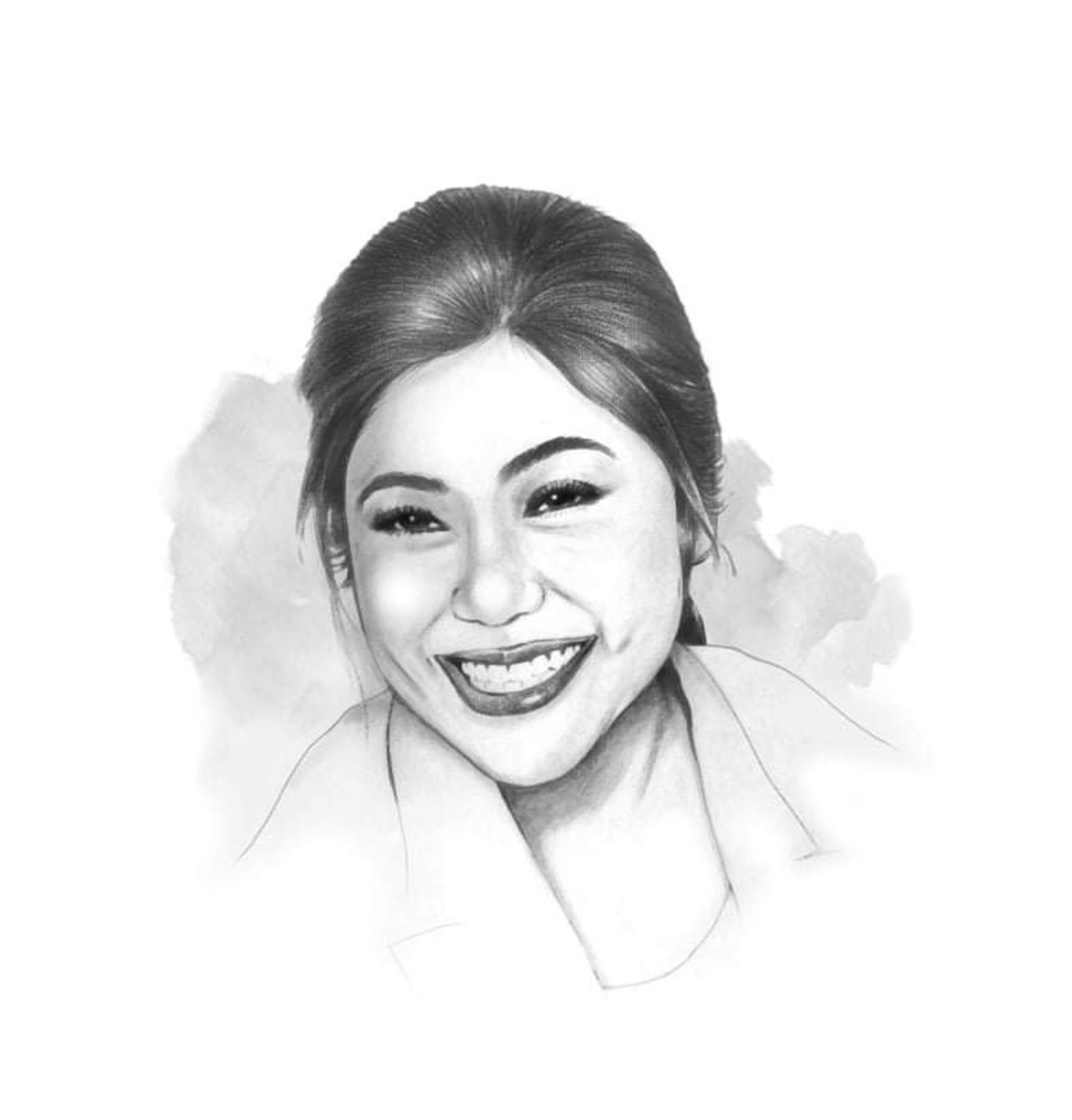
Anna Mae Lamentillo.jpg

Last April 19, I was offered a platform at the Impact-WorldBank24X event at George Washington University to share not only my personal journey but also a critical message on the power of inclusive resilience and sustainable development.

Hailing from the Philippines, a country with a rich tapestry of cultural diversity, my roots are deeply embedded in the Karay-a community, one of the 182 indigenous groups that enrich our nation. Indigenous peoples, like my community, contribute immensely to the world’s cultural diversity, representing thousands of languages and traditions. Yet, despite their profound influence on our global cultural heritage, indigenous communities remain among the most disenfranchised and marginalized groups worldwide.

My experiences – both personal and professional – highlight the stark realities these communities face. From the devastating impacts of Typhoon Haiyan in my home country to the broader effects of climate change globally, it is clear that indigenous and local communities bear a disproportionate burden of environmental crises. They often live in regions highly vulnerable to environmental degradation, yet their voices and needs frequently go unheard in global discussions on climate resilience and environmental protection.

At the Build Initiative, we are committed to designing futures and building accessibility for all. This includes a focused effort on empowering indigenous people through strategic advocacy, education, and innovative technology. Our projects like NightOwlGPT, GreenMatch, and Carbon Compass are crafted to bring down barriers and create platforms for these communities to not only survive but thrive.

NightOwlGPT, which is currently incubated at the London School of Economics Generate, leverages artificial intelligence to overcome language barriers, offering immediate translations and fostering inclusivity. This tool is crucial for indigenous populations, enabling them to communicate in their native dialects and access vital information without the constraints imposed by language.

GreenMatch connects the dots between individuals and businesses looking to offset their carbon footprints and the grassroots environmental projects led by local and indigenous groups. This platform not only supports global environmental efforts but ensures that those who are most affected by climate change have a tangible role in combatting it and benefiting from solutions.

Furthermore, our initiative Carbon Compass is dedicated to promoting sustainable urban living, which indirectly supports the preservation of natural habitats that many indigenous communities rely on.

The journey towards global impact is not a solo endeavor but a collective effort. It is imperative that we recognize the unique challenges faced by the world’s 476 million indigenous people. As we strive to build a world that is truly inclusive and barrier-free, we must ensure that inclusivity encompasses the diverse voices of all indigenous cultures.

Together, let us advance toward a future where every community has the tools to protect their environment, preserve their cultures, and participate fully in the global dialogue. Let us build resilience by embracing and learning from the rich diversity that indigenous peoples offer.


Related Tags

NIGHT OWL Anna Mae Lamentillo
ADVERTISEMENT
.most-popular .layout-ratio{ padding-bottom: 79.13%; } @media (min-width: 768px) and (max-width: 1024px) { .widget-title { font-size: 15px !important; } }

{{ articles_filter_1561_widget.title }}

.most-popular .layout-ratio{ padding-bottom: 79.13%; } @media (min-width: 768px) and (max-width: 1024px) { .widget-title { font-size: 15px !important; } }

{{ articles_filter_1562_widget.title }}

.most-popular .layout-ratio{ padding-bottom: 79.13%; } @media (min-width: 768px) and (max-width: 1024px) { .widget-title { font-size: 15px !important; } }

{{ articles_filter_1563_widget.title }}

{{ articles_filter_1564_widget.title }}

.mb-article-details { position: relative; } .mb-article-details .article-body-preview, .mb-article-details .article-body-summary{ font-size: 17px; line-height: 30px; font-family: "Libre Caslon Text", serif; color: #000; } .mb-article-details .article-body-preview iframe , .mb-article-details .article-body-summary iframe{ width: 100%; margin: auto; } .read-more-background { background: linear-gradient(180deg, color(display-p3 1.000 1.000 1.000 / 0) 13.75%, color(display-p3 1.000 1.000 1.000 / 0.8) 30.79%, color(display-p3 1.000 1.000 1.000) 72.5%); position: absolute; height: 200px; width: 100%; bottom: 0; display: flex; justify-content: center; align-items: center; padding: 0; } .read-more-background a{ color: #000; } .read-more-btn { padding: 17px 45px; font-family: Inter; font-weight: 700; font-size: 18px; line-height: 16px; text-align: center; vertical-align: middle; border: 1px solid black; background-color: white; } .hidden { display: none; }
function initializeAllSwipers() { // Get all hidden inputs with cms_article_id document.querySelectorAll('[id^="cms_article_id_"]').forEach(function (input) { const cmsArticleId = input.value; const articleSelector = '#article-' + cmsArticleId + ' .body_images'; const swiperElement = document.querySelector(articleSelector); if (swiperElement && !swiperElement.classList.contains('swiper-initialized')) { new Swiper(articleSelector, { loop: true, pagination: false, navigation: { nextEl: '#article-' + cmsArticleId + ' .swiper-button-next', prevEl: '#article-' + cmsArticleId + ' .swiper-button-prev', }, }); } }); } setTimeout(initializeAllSwipers, 3000); const intersectionObserver = new IntersectionObserver( (entries) => { entries.forEach((entry) => { if (entry.isIntersecting) { const newUrl = entry.target.getAttribute("data-url"); if (newUrl) { history.pushState(null, null, newUrl); let article = entry.target; // Extract metadata const author = article.querySelector('.author-section').textContent.replace('By', '').trim(); const section = article.querySelector('.section-info ').textContent.replace(' ', ' '); const title = article.querySelector('.article-title h1').textContent; // Parse URL for Chartbeat path format const parsedUrl = new URL(newUrl, window.location.origin); const cleanUrl = parsedUrl.host + parsedUrl.pathname; // Update Chartbeat configuration if (typeof window._sf_async_config !== 'undefined') { window._sf_async_config.path = cleanUrl; window._sf_async_config.sections = section; window._sf_async_config.authors = author; } // Track virtual page view with Chartbeat if (typeof pSUPERFLY !== 'undefined' && typeof pSUPERFLY.virtualPage === 'function') { try { pSUPERFLY.virtualPage({ path: cleanUrl, title: title, sections: section, authors: author }); } catch (error) { console.error('ping error', error); } } // Optional: Update document title if (title && title !== document.title) { document.title = title; } } } }); }, { threshold: 0.1 } ); function showArticleBody(button) { const article = button.closest("article"); const summary = article.querySelector(".article-body-summary"); const body = article.querySelector(".article-body-preview"); const readMoreSection = article.querySelector(".read-more-background"); // Hide summary and read-more section summary.style.display = "none"; readMoreSection.style.display = "none"; // Show the full article body body.classList.remove("hidden"); } document.addEventListener("DOMContentLoaded", () => { let loadCount = 0; // Track how many times articles are loaded const offset = [1, 2, 3, 4, 5, 6, 7, 8, 9, 10]; // Offset values const currentUrl = window.location.pathname.substring(1); let isLoading = false; // Prevent multiple calls if (!currentUrl) { console.log("Current URL is invalid."); return; } const sentinel = document.getElementById("load-more-sentinel"); if (!sentinel) { console.log("Sentinel element not found."); return; } function isSentinelVisible() { const rect = sentinel.getBoundingClientRect(); return ( rect.top < window.innerHeight && rect.bottom >= 0 ); } function onScroll() { if (isLoading) return; if (isSentinelVisible()) { if (loadCount >= offset.length) { console.log("Maximum load attempts reached."); window.removeEventListener("scroll", onScroll); return; } isLoading = true; const currentOffset = offset[loadCount]; window.loadMoreItems().then(() => { let article = document.querySelector('#widget_1690 > div:nth-last-of-type(2) article'); intersectionObserver.observe(article) loadCount++; }).catch(error => { console.error("Error loading more items:", error); }).finally(() => { isLoading = false; }); } } window.addEventListener("scroll", onScroll); });

Sign up by email to receive news.