

ADVERTISEMENT

D&L is first to offer tech for upcycling low value plastics

Published Apr 22, 2024 12:07 am

D&L Industries is paving the way for a circular economy by being the first and only company in the Philippines to offer technologies that breathe new life into plastics that are otherwise considered as low-value or non-recyclable, such as single-use plastics.

The firm said it has been involved in the plastics industry for over six decades. Manufacturing colorants for plastics was the first business of the group. 

Subsidiaries First in Colours, Incorporated (FIC) and D&L Polymer & Colours, Inc. (DLPC) specialize in additives and compounds that give plastics a wide range of physical and chemical properties.
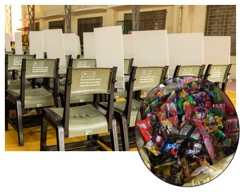
dnl3.jpg
School chairs from sachets

“Plastics are materials that are almost indispensable in the modern way of life. Its application extends to virtually every industry, from food to construction and infrastructure to transportation to health care and many more,” said FIC and DLPC President Lester Lao. 

He noted that “to date, there is no other material known to mankind that is as lightweight, hygienic, malleable, and economical as plastics.”

“Sadly, a good percentage of post-consumer plastic materials which are considered as low-value or non-recyclable end up in landfills and those that are improperly disposed of find their way in our oceans. We believe that the key in truly utilizing the potential of plastics lies in technologies that enable plastics to be reincarnated multiple times, if not indefinitely, and that’s where FIC and DLPC come in,” Lao added.
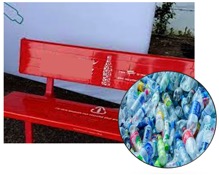
dnl2.jpg
Bench from PET bottles


As early as about twenty years ago, the company had already started R&D works in developing technologies that can make plastics sustainable. To date, FIC and DLPC have been successful in coming up with a range of solutions that enable plastic upcycling. 

Examples of these technologies include plastic additives such as Plastibond® which acts as a bonding agent to allow various types of waste plastics to mix together and make them compatible, Polyguard® which improves the stability of plastics to delay degradation, and Deomate® which acts as a odor remover and neutralizer.

Instead of simply offering these additives to the market, FIC and DLPC goes one step further by providing custom-compounding services to fit the specific needs and applications of customers. 

“We believe upcycling is the future of plastics. In fact, in certain cases, upcycled plastics can even exceed the physical properties of virgin plastics. This technology also offers another way for companies to comply with the Extended Producers Responsibility (EPR) Act by increasing recycled content of their plastic packaging materials,” Lao said.

He added that “as the world moves towards a more sustainable path, we want to be at the forefront of this development driving the change. To innovate continuously in the direction of green chemistry is a commitment that we have made to the profession and to the future generations."

“As a company, FIC and DLPC aim to be a one-stop-shop in enabling our customers thrive in the ever changing business environment by providing custom technology solutions to the country’s plastics industry," he also said.
 

Related Tags

DNL
ADVERTISEMENT
.most-popular .layout-ratio{ padding-bottom: 79.13%; } @media (min-width: 768px) and (max-width: 1024px) { .widget-title { font-size: 15px !important; } }

{{ articles_filter_1561_widget.title }}

.most-popular .layout-ratio{ padding-bottom: 79.13%; } @media (min-width: 768px) and (max-width: 1024px) { .widget-title { font-size: 15px !important; } }

{{ articles_filter_1562_widget.title }}

.most-popular .layout-ratio{ padding-bottom: 79.13%; } @media (min-width: 768px) and (max-width: 1024px) { .widget-title { font-size: 15px !important; } }

{{ articles_filter_1563_widget.title }}

{{ articles_filter_1564_widget.title }}

.mb-article-details { position: relative; } .mb-article-details .article-body-preview, .mb-article-details .article-body-summary{ font-size: 17px; line-height: 30px; font-family: "Libre Caslon Text", serif; color: #000; } .mb-article-details .article-body-preview iframe , .mb-article-details .article-body-summary iframe{ width: 100%; margin: auto; } .read-more-background { background: linear-gradient(180deg, color(display-p3 1.000 1.000 1.000 / 0) 13.75%, color(display-p3 1.000 1.000 1.000 / 0.8) 30.79%, color(display-p3 1.000 1.000 1.000) 72.5%); position: absolute; height: 200px; width: 100%; bottom: 0; display: flex; justify-content: center; align-items: center; padding: 0; } .read-more-background a{ color: #000; } .read-more-btn { padding: 17px 45px; font-family: Inter; font-weight: 700; font-size: 18px; line-height: 16px; text-align: center; vertical-align: middle; border: 1px solid black; background-color: white; } .hidden { display: none; }
function initializeAllSwipers() { // Get all hidden inputs with cms_article_id document.querySelectorAll('[id^="cms_article_id_"]').forEach(function (input) { const cmsArticleId = input.value; const articleSelector = '#article-' + cmsArticleId + ' .body_images'; const swiperElement = document.querySelector(articleSelector); if (swiperElement && !swiperElement.classList.contains('swiper-initialized')) { new Swiper(articleSelector, { loop: true, pagination: false, navigation: { nextEl: '#article-' + cmsArticleId + ' .swiper-button-next', prevEl: '#article-' + cmsArticleId + ' .swiper-button-prev', }, }); } }); } setTimeout(initializeAllSwipers, 3000); const intersectionObserver = new IntersectionObserver( (entries) => { entries.forEach((entry) => { if (entry.isIntersecting) { const newUrl = entry.target.getAttribute("data-url"); if (newUrl) { history.pushState(null, null, newUrl); let article = entry.target; // Extract metadata const author = article.querySelector('.author-section').textContent.replace('By', '').trim(); const section = article.querySelector('.section-info ').textContent.replace(' ', ' '); const title = article.querySelector('.article-title h1').textContent; // Parse URL for Chartbeat path format const parsedUrl = new URL(newUrl, window.location.origin); const cleanUrl = parsedUrl.host + parsedUrl.pathname; // Update Chartbeat configuration if (typeof window._sf_async_config !== 'undefined') { window._sf_async_config.path = cleanUrl; window._sf_async_config.sections = section; window._sf_async_config.authors = author; } // Track virtual page view with Chartbeat if (typeof pSUPERFLY !== 'undefined' && typeof pSUPERFLY.virtualPage === 'function') { try { pSUPERFLY.virtualPage({ path: cleanUrl, title: title, sections: section, authors: author }); } catch (error) { console.error('ping error', error); } } // Optional: Update document title if (title && title !== document.title) { document.title = title; } } } }); }, { threshold: 0.1 } ); function showArticleBody(button) { const article = button.closest("article"); const summary = article.querySelector(".article-body-summary"); const body = article.querySelector(".article-body-preview"); const readMoreSection = article.querySelector(".read-more-background"); // Hide summary and read-more section summary.style.display = "none"; readMoreSection.style.display = "none"; // Show the full article body body.classList.remove("hidden"); } document.addEventListener("DOMContentLoaded", () => { let loadCount = 0; // Track how many times articles are loaded const offset = [1, 2, 3, 4, 5, 6, 7, 8, 9, 10]; // Offset values const currentUrl = window.location.pathname.substring(1); let isLoading = false; // Prevent multiple calls if (!currentUrl) { console.log("Current URL is invalid."); return; } const sentinel = document.getElementById("load-more-sentinel"); if (!sentinel) { console.log("Sentinel element not found."); return; } function isSentinelVisible() { const rect = sentinel.getBoundingClientRect(); return ( rect.top < window.innerHeight && rect.bottom >= 0 ); } function onScroll() { if (isLoading) return; if (isSentinelVisible()) { if (loadCount >= offset.length) { console.log("Maximum load attempts reached."); window.removeEventListener("scroll", onScroll); return; } isLoading = true; const currentOffset = offset[loadCount]; window.loadMoreItems().then(() => { let article = document.querySelector('#widget_1690 > div:nth-last-of-type(2) article'); intersectionObserver.observe(article) loadCount++; }).catch(error => { console.error("Error loading more items:", error); }).finally(() => { isLoading = false; }); } } window.addEventListener("scroll", onScroll); });

Sign up by email to receive news.