

ADVERTISEMENT

Filipinos love concerts, but venue infrastructure gaps is threat to the experience

Published Apr 21, 2024 07:18 am

At A Glance

  •  Once that's built, Filipinos won't have to fly overseas because they can watch top-tier performances right from the comfort of their home country.
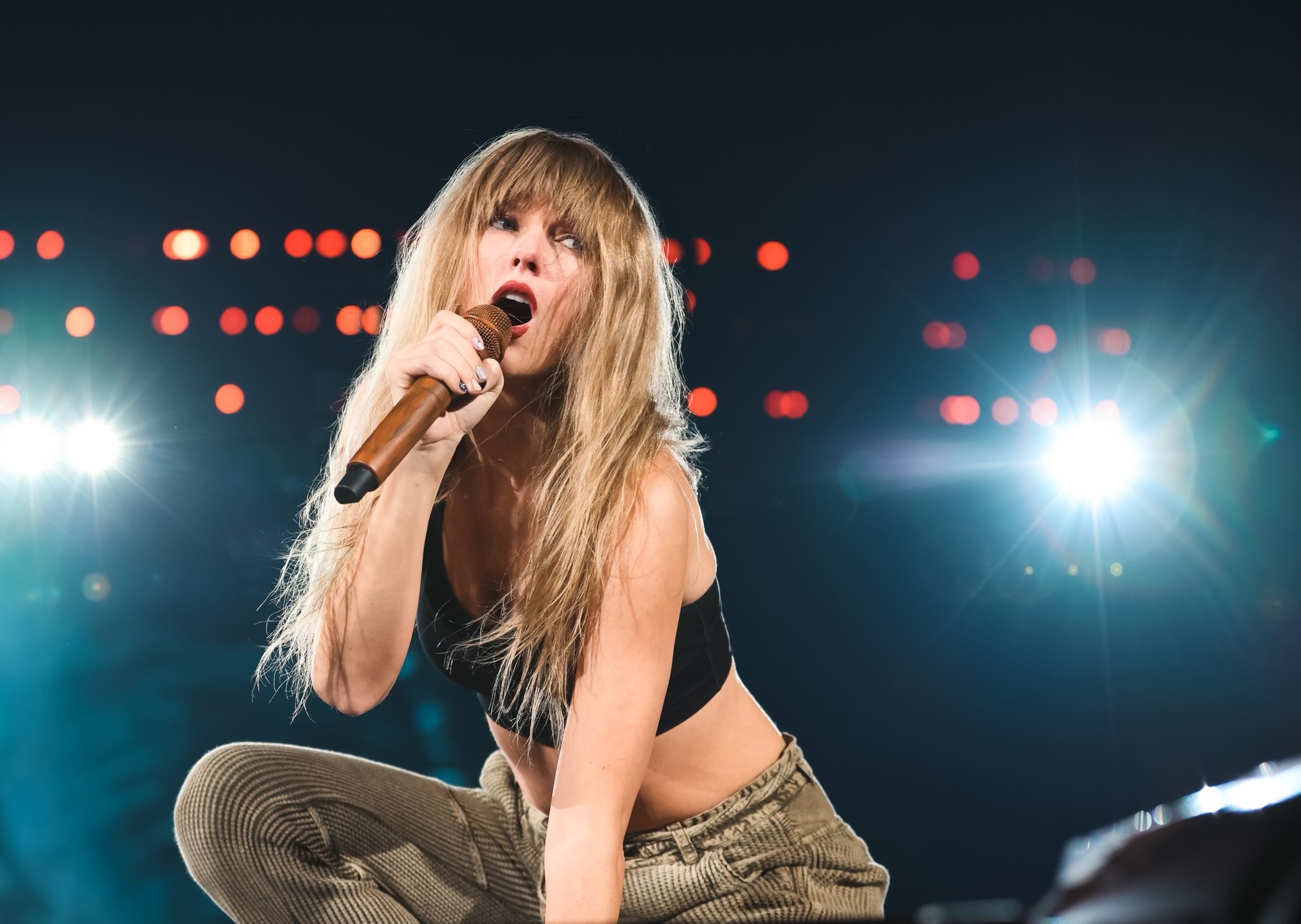
taylor5.jpeg
Taylor Swift (Facebook)

Filipinos' love for concerts presents significant economic potential, but the existing venue infrastructure gaps threaten this thriving industry.

Countries with better, bigger, and more competitive concert venues have reaped economic benefits, especially with the massive and significant influence of popular international acts like pop superstar Taylor Swift’s Eras Tour and Coldplay’s World Tour in consumer behavior and spending.

Driving tens of thousands of ‘Swifties’ and concert enthusiasts, the success of these concerts was an economic stimulus for countries worldwide, including Southeast Asian countries such as Singapore and Japan. 

Filipino fans alike had to spend big and travel miles to watch the exclusive performance of superstar Swift in Singapore’s National Stadium. In contrast, others visited Japan’s Tokyo Dome and Sydney’s Accor Stadium in Australia. 

The massive concert gigs boosted the respective country’s economies, significantly benefiting the entertainment, hospitality, retail, and transport industries.

While Singapore’s strategy for a Southeast Asia-exclusive Swift performance piqued interest and likewise piqued its neighboring countries, the strategic move sparked conversations and brought to light what the Philippines can improve on in terms of concert venues.

1. Location is key

The Philippines doesn’t lack in big venues. It boasts of venues rivaling Singapore’s National Stadium and Japan’s Tokyo Dome. Accessibility to the location, public transportation, and nearby commercial establishments is vital.

2. Concert experience
Screenshot 2024-04-21 at 2.58.05 PM.png
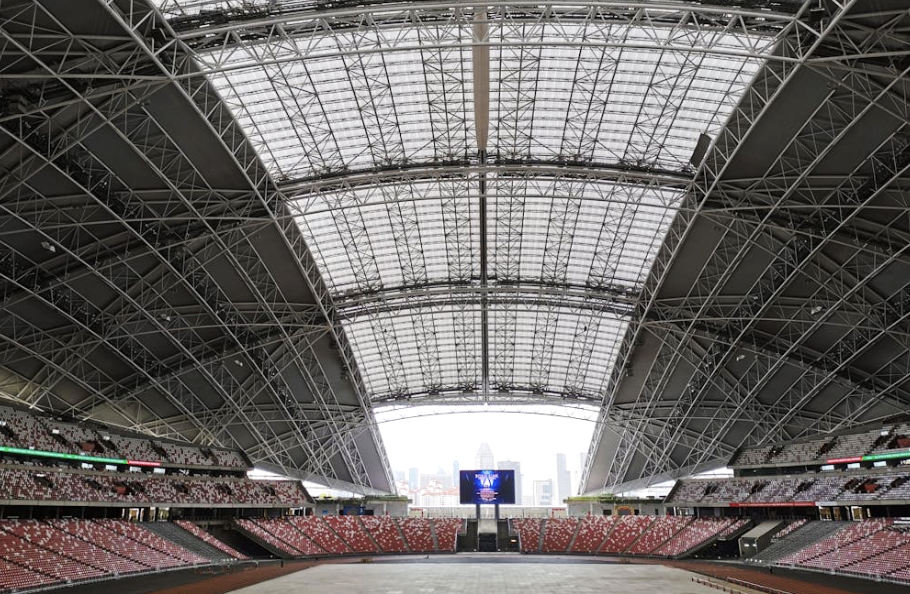
Photo credit to Stanley Quek. An empty Singapore National Stadium, viewed from the front stage.

Singapore’s pride, the National Stadium, has innovative features such as the world’s largest free-spanning dome, a retractable roof, and comfortable cooling technology for spectators’ convenience. Its innovation, strategic location, and efficiency bring positive and immersive experiences for enthusiasts and concert fans, making it a magnet for entertainment acts worldwide. A similar concert venue and experience is something that Filipino concertgoers are hoping the country can replicate.

3. World-class concert amenities and facilities

Accessing the venue's amenities and facilities should offer a premium music experience for a concert enthusiasts or convenience in a sporting event.
Screenshot 2024-04-21 at 2.58.19 PM.png
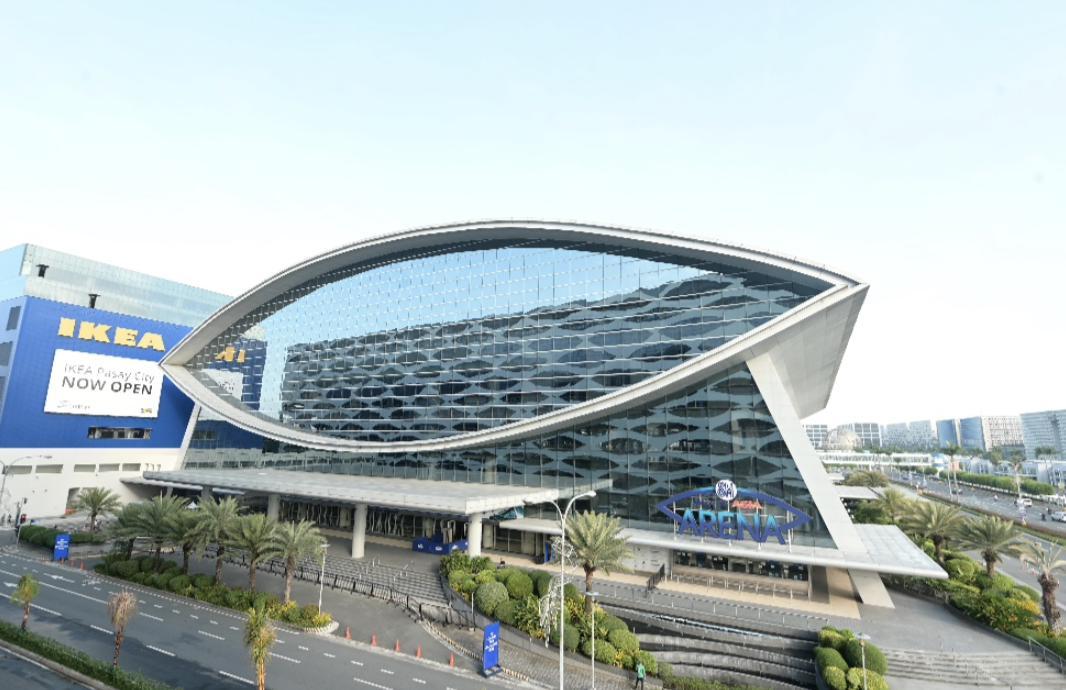
Architectural 'Eyecon' SM Mall of Asia Arena prides itself on having exceptional world-class
amenities unique in the Southeast Asia region. (Photo from SM MOA Arena official website)
Screenshot 2024-04-21 at 2.58.29 PM.png
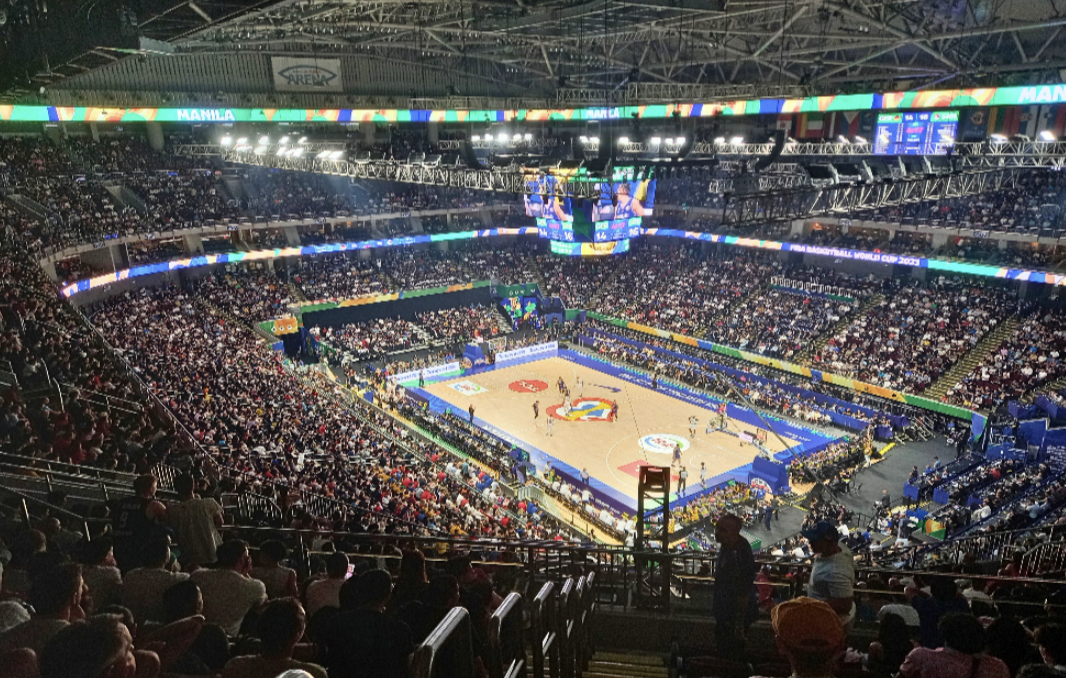
FIBA Basketball World Cup 2023 held at thw SM Mall of Asia Arena. (Photo from SM MOA Arena official website)

Take, for example, the SM Mall of Asia (MOA) Arena – a flexible indoor arena developed in 2012 by leading integrated property developer SM Prime – which has been a top-of-mind venue for all sorts of events and offers a unique concert experience. With a full house seating capacity of 20,000, it has been a haven for thrilling sports events, remarkable OPM shows, and unforgettable international
superstar performances.

Meanwhile, the SMDC Festival Grounds in Parañaque City is likewise an enormous outdoor venue that can accommodate at least 50,000 people. Ed Sheeran’s Mathematics Tour and Rivermaya The Reunion were among the performers that have graced the stage recently.

4. Achieving Filipinos’ concert dreams

One of the most forward-looking plans of SM Prime is its 360-hectare smart city development which is envisioned to bring in a centerpiece to the country’s entertainment and sporting events – larger in capacity and a more enhanced venue infrastructure that would attract legendary icons in the entertainment scene and compete against Southeast Asia and the world’s best. It will feature an estimated 70,000-capacity stadium and concert arena connected to one of the island’s main destination paradises called Central Park. The sizable arena is envisioned to be the Philippines’ biggest concert venue, with world-class facilities and sustainable features comparable to other big concert venues worldwide. Once that’s built, Filipinos won’t have to fly overseas because they can watch top-tier performances right from the comfort of their home country.
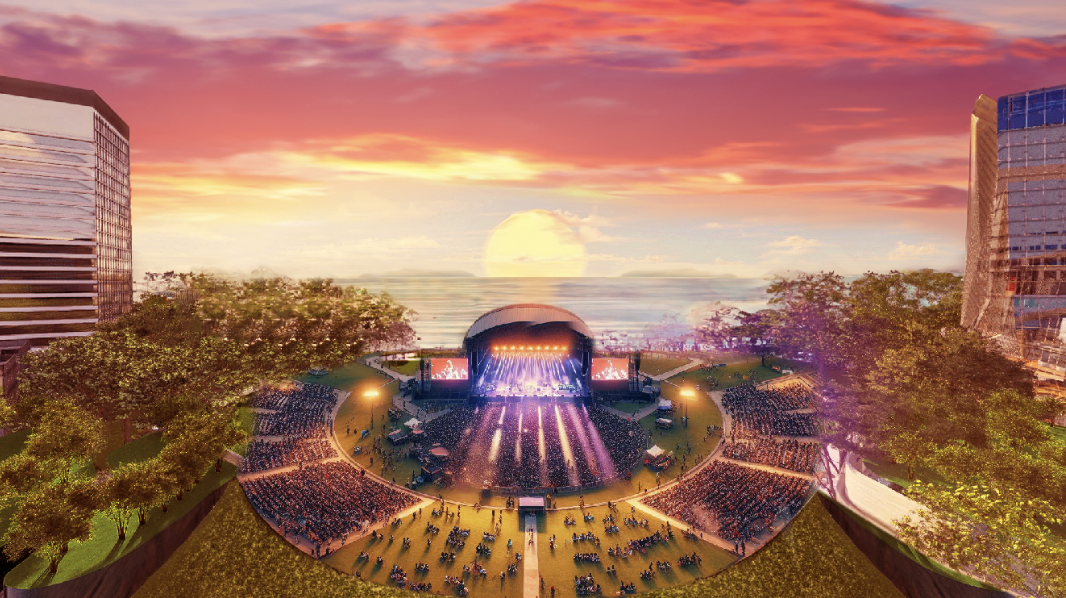
Screenshot 2024-04-21 at 2.58.46 PM.png
An artist’s render, visual sketch of the proposed concert venue at Pasay 360 project.

Screenshot 2024-04-21 at 2.58.46 PM.png

Without a doubt, Pinoys live and breathe entertainment shows. According to the digital payments company Visa, Filipinos are Asia-Pacific's 4th top concert spenders, proving how passionate we are about concerts. By investing in developing modern, smart, and accessible concert venues, Filipino concert enthusiasts can continue to embrace and celebrate live performances with the convenience, comfort, and enjoyment they deserve. Beyond entertainment, well-curated, smart, and innovative concert facilities can benefit the Philippines’ national and local economies, including ancillary local retail, tourism, and hospitality spending.

ADVERTISEMENT
.most-popular .layout-ratio{ padding-bottom: 79.13%; } @media (min-width: 768px) and (max-width: 1024px) { .widget-title { font-size: 15px !important; } }

{{ articles_filter_1561_widget.title }}

.most-popular .layout-ratio{ padding-bottom: 79.13%; } @media (min-width: 768px) and (max-width: 1024px) { .widget-title { font-size: 15px !important; } }

{{ articles_filter_1562_widget.title }}

.most-popular .layout-ratio{ padding-bottom: 79.13%; } @media (min-width: 768px) and (max-width: 1024px) { .widget-title { font-size: 15px !important; } }

{{ articles_filter_1563_widget.title }}

{{ articles_filter_1564_widget.title }}

.mb-article-details { position: relative; } .mb-article-details .article-body-preview, .mb-article-details .article-body-summary{ font-size: 17px; line-height: 30px; font-family: "Libre Caslon Text", serif; color: #000; } .mb-article-details .article-body-preview iframe , .mb-article-details .article-body-summary iframe{ width: 100%; margin: auto; } .read-more-background { background: linear-gradient(180deg, color(display-p3 1.000 1.000 1.000 / 0) 13.75%, color(display-p3 1.000 1.000 1.000 / 0.8) 30.79%, color(display-p3 1.000 1.000 1.000) 72.5%); position: absolute; height: 200px; width: 100%; bottom: 0; display: flex; justify-content: center; align-items: center; padding: 0; } .read-more-background a{ color: #000; } .read-more-btn { padding: 17px 45px; font-family: Inter; font-weight: 700; font-size: 18px; line-height: 16px; text-align: center; vertical-align: middle; border: 1px solid black; background-color: white; } .hidden { display: none; }
function initializeAllSwipers() { // Get all hidden inputs with cms_article_id document.querySelectorAll('[id^="cms_article_id_"]').forEach(function (input) { const cmsArticleId = input.value; const articleSelector = '#article-' + cmsArticleId + ' .body_images'; const swiperElement = document.querySelector(articleSelector); if (swiperElement && !swiperElement.classList.contains('swiper-initialized')) { new Swiper(articleSelector, { loop: true, pagination: false, navigation: { nextEl: '#article-' + cmsArticleId + ' .swiper-button-next', prevEl: '#article-' + cmsArticleId + ' .swiper-button-prev', }, }); } }); } setTimeout(initializeAllSwipers, 3000); const intersectionObserver = new IntersectionObserver( (entries) => { entries.forEach((entry) => { if (entry.isIntersecting) { const newUrl = entry.target.getAttribute("data-url"); if (newUrl) { history.pushState(null, null, newUrl); let article = entry.target; // Extract metadata const author = article.querySelector('.author-section').textContent.replace('By', '').trim(); const section = article.querySelector('.section-info ').textContent.replace(' ', ' '); const title = article.querySelector('.article-title h1').textContent; // Parse URL for Chartbeat path format const parsedUrl = new URL(newUrl, window.location.origin); const cleanUrl = parsedUrl.host + parsedUrl.pathname; // Update Chartbeat configuration if (typeof window._sf_async_config !== 'undefined') { window._sf_async_config.path = cleanUrl; window._sf_async_config.sections = section; window._sf_async_config.authors = author; } // Track virtual page view with Chartbeat if (typeof pSUPERFLY !== 'undefined' && typeof pSUPERFLY.virtualPage === 'function') { try { pSUPERFLY.virtualPage({ path: cleanUrl, title: title, sections: section, authors: author }); } catch (error) { console.error('ping error', error); } } // Optional: Update document title if (title && title !== document.title) { document.title = title; } } } }); }, { threshold: 0.1 } ); function showArticleBody(button) { const article = button.closest("article"); const summary = article.querySelector(".article-body-summary"); const body = article.querySelector(".article-body-preview"); const readMoreSection = article.querySelector(".read-more-background"); // Hide summary and read-more section summary.style.display = "none"; readMoreSection.style.display = "none"; // Show the full article body body.classList.remove("hidden"); } document.addEventListener("DOMContentLoaded", () => { let loadCount = 0; // Track how many times articles are loaded const offset = [1, 2, 3, 4, 5, 6, 7, 8, 9, 10]; // Offset values const currentUrl = window.location.pathname.substring(1); let isLoading = false; // Prevent multiple calls if (!currentUrl) { console.log("Current URL is invalid."); return; } const sentinel = document.getElementById("load-more-sentinel"); if (!sentinel) { console.log("Sentinel element not found."); return; } function isSentinelVisible() { const rect = sentinel.getBoundingClientRect(); return ( rect.top < window.innerHeight && rect.bottom >= 0 ); } function onScroll() { if (isLoading) return; if (isSentinelVisible()) { if (loadCount >= offset.length) { console.log("Maximum load attempts reached."); window.removeEventListener("scroll", onScroll); return; } isLoading = true; const currentOffset = offset[loadCount]; window.loadMoreItems().then(() => { let article = document.querySelector('#widget_1690 > div:nth-last-of-type(2) article'); intersectionObserver.observe(article) loadCount++; }).catch(error => { console.error("Error loading more items:", error); }).finally(() => { isLoading = false; }); } } window.addEventListener("scroll", onScroll); });

Sign up by email to receive news.