






 Philippines
National
DA confident Philippine tobacco could make grade as smoke-free products
Philippines
National
DA confident Philippine tobacco could make grade as smoke-free products
DA confident Philippine tobacco could make grade as smoke-free products
By Jel Santos


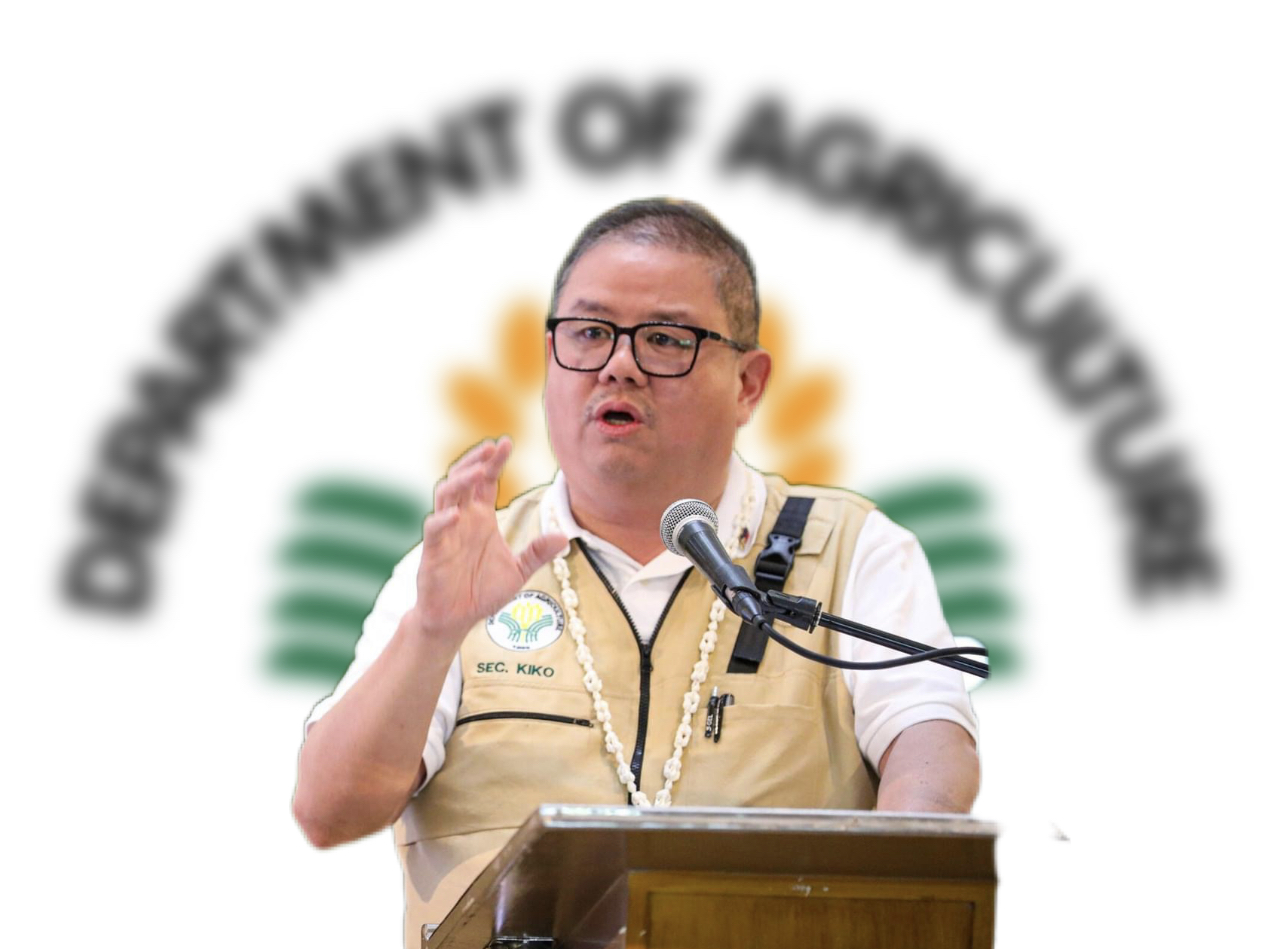
Philippine tobacco could make the grade for new smoke-free products to help reverse the decline in local leaf production and boost earnings for millions of Filipino farmers, Department of Agriculture (DA) Secretary Francisco Tiu Laurel Jr. said on Monday, April 15.
In the inauguration of the P2.2-billion manufacturing facility of an international tobacco company in Batangas, Laurel thanked the US firm for fulfilling its investment pledge to President Marcos and continuing support for tobacco farmers.
The new manufacturing factory, located on a 1.2-hectare land in Tanauan City, will produce specially designed tobacco sticks for PMI’s smoke-free products.
“I understand that local leaf is being considered for inclusion in the production of smoke-free products, including heated tobacco sticks in the new manufacturing lines. I'm confident that our local tobacco leaf will be able to meet this new demand,” the DA chief said.
Laurel said he is optimistic that the local tobacco farmers will continue to benefit from this new facility to further strengthen domestic manufacturing, especially since it started producing finished and semi-finished goods in the state-of-the-art manufacturing plants in Marikina and Batangas.
“Our government has always recognized the company's substantial contributions to the Philippine economy and society – providing employment to around 4,500 Filipinos; ensuring the livelihood of our tobacco farmers with their tobacco leaf purchases averaging P1.8 billion annually; boosting tobacco exports of finished and semi-finished goods; contributing hundreds of billions to the national and local treasury in excise, VAT, income, local business tax, duties, and other payments; and implementing various corporate social responsibility projects,” Laurel stressed.
Per the National Tobacco Administration (NTA), around 2.2 million Filipinos depend on the tobacco industry, including more than 430,000 farmers, farm workers and their families.
NTA noted that the total volume of locally produced tobacco only constitutes 35 percent of the leaf requirement of tobacco manufacturers.
“Considering the continuing demand for Philippine tobacco exports, the challenge is for us to work together – introduce technological advancements and internationally accepted best practices – to increase and sustain quality domestic production of tobacco leaf,” Laurel pointed out.
He added that he is aware of the growing illicit trade of tobacco that is threatening the tobacco industry value chain.
Laurel also vowed to help fight smugglers whose illegal activities adversely affect the livelihood of farmers, legitimate businesses and investments, and government revenues.