






 Philippines
National
Romualdez credits PBBM's efforts in scoring 'strategic victory' with US, Japan
Philippines
National
Romualdez credits PBBM's efforts in scoring 'strategic victory' with US, Japan
Romualdez credits PBBM's efforts in scoring 'strategic victory' with US, Japan


At A Glance
- House Speaker Martin Romualdez called the United States (US) and Japan's solid commitment to uphold the Philippines' sovereignty and territorial integrity in the West Philippine Sea (WPS) as a "strategic victory", which President Marcos gained during the historic trilateral summit of the three nations.
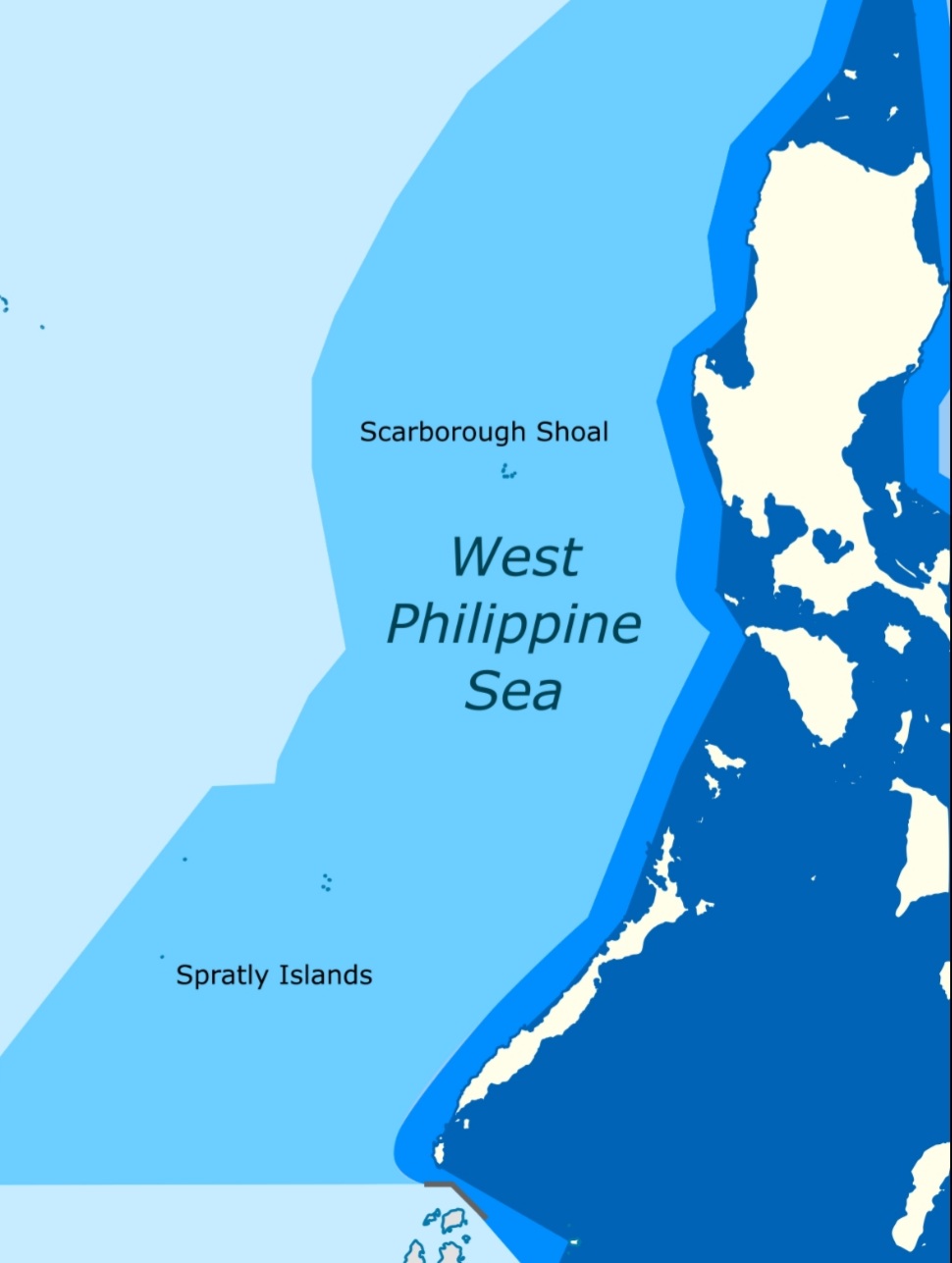 West Philippine Sea (Wikipedia)
A "strategic victory".
That's how House Speaker Martin Romualdez called the United States (US) and Japan's solid commitment to uphold the Philippines' sovereignty and territorial integrity in the West Philippine Sea (WPS).
Romualdez, in a statement Saturday, April 13, credited President Marcos' efforts in securing such commitment during the historic trilateral summit of the three nations in Washington, DC.
“President Marcos, Jr.’s steadfast leadership and diplomatic initiatives significantly advanced our country’s national interests, especially in upholding our sovereignty and safeguarding our territorial integrity, particularly in the [WPS],” said Romualdez, leader of the 300-plus strong House of Representatives.
“The commitment of the United States and Japan to support the Philippines in defending its sovereignty and promoting regional peace is a testament to the strength of bilateral and multilateral partnerships in addressing complex security challenges,” he added.
Romualdez accompanied Marcos to the summit, the highlight of which was the meeting between President Marcos, US President Joe Biden, and Japan Prime Minister Fumio Kishida.
In his opening statement at the historic trilateral meeting, Biden reiterated that “any attack on Philippine aircraft, vessels, or Armed Forces in the South China Sea would invoke our Mutual Defense Treaty (MDT).”
Speaker Romualdez expressed hopes the historic trilateral meeting would serve to de-escalate the simmering tensions in the [WPS] for the mutual benefit of all the stakeholders.
Romualdez stressed that Marcos enjoys the full support of the House of Representatives for his efforts to protect our nation’s interests in the WPS and in promoting peace and stability in the Indo-Pacific region.
"The House of Representatives stands firmly behind President Marcos, Jr. and his diplomatic initiatives to uphold rules-based international order as the foundation of regional peace and prosperity,” he said.
In their Joint Vision Statement. the three leaders reiterated their “serious concern” over China’s “repeated obstruction of Philippine vessels’ exercise of high seas freedom of navigation and the disruption of supply lines to Second Thomas Shoal, which constitute dangerous and destabilizing conduct".
Similarly, the statement expressed strong opposition to any attempts by China to unilaterally change the status quo by force or coercion in the East China Sea, including actions that seek to undermine Japan’s longstanding and peaceful administration of the Senkaku Islands.
The three leaders also called for peace and stability across the Taiwan Strait as an indispensable element of global security and prosperity.
President Marcos had earlier expressed concerns over the adverse effects to the country of any confrontation that may ignite over Taiwan.
“It is equally heartening that this Joint Vision Statement includes concrete action plans to advance the trilateral defense cooperation and not only among the three nations but also with other like-minded States interested in the preservation of peace and prosperity in the Indo-Pacific region,” noted the Speaker.
He cited the commitment of the US and Japan in the joint statement to continue supporting the Philippine Coast Guard (PCG) in capacity building, including through Japan’s recent provision of 12 Coast Guard vessels and plans to provide five additional vessels to the Philippines.
The US also said it looks forward to welcoming Philippine and Japan Coast Guard member to a US Coast Guard vessel during a patrol in the Indo-Pacific this year. It also announced plans for a joint at-sea trilateral exercise and other maritime activities to improve interoperability and advance maritime security and safety.