

ADVERTISEMENT

Google eyes MSMEs' growth; lines up digital technology training for parents, children

Published Apr 13, 2024 11:40 am

At A Glance

  • Bhatia said that Google is "excited" about expanding their businesses and operations in the Philippines as he emphasized that they are seeing about 50,000 employees in the Philippines.
  • Bhatia said Google can provide the Philippines with what it needs in terms of strengthening the country's cybersecurity and that they "would love to be part" of the government's efforts on digital transformation.

Tech giant Google has committed to helping micro, small, and medium-sized enterprises (MSMEs) in the Philippines grow their businesses online and to training over 100,000 children and their parents on responsible use of digital technology, Malacañang said.
google.jpg
Photos: PCO, Pixabay

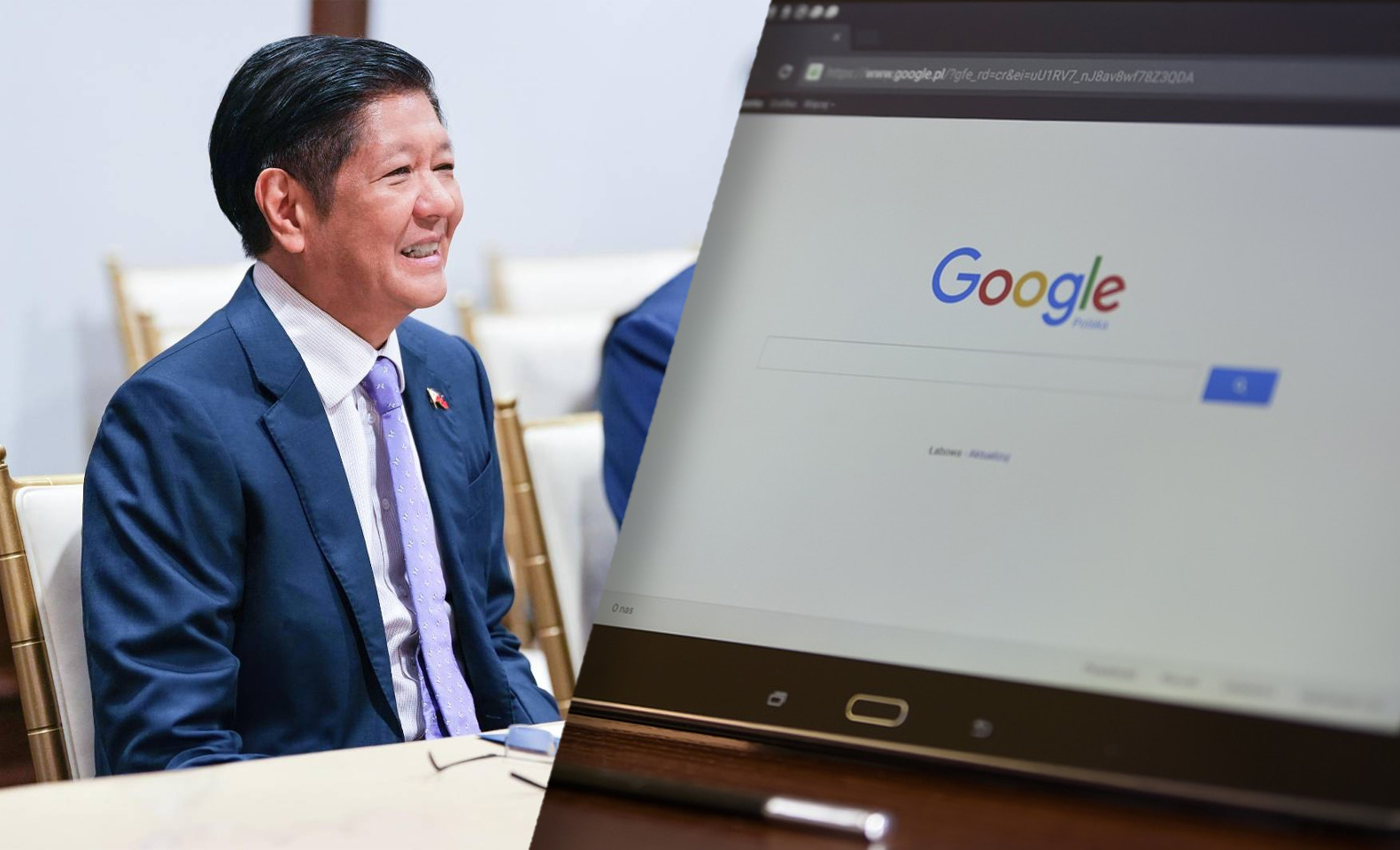
Google’s head of government affairs and public policy Karan Bhatia said this during his meeting with President Marcos in Washington, DC on on the sidelines of his trilateral meeting with US President Joseph Biden and Japanese Prime Minister Kishida Fumio at the White House on April 11.

During the meeting, Bhatia told Marcos about Google's partnership with the Department of Trade and Industry (DTI) to upskill MSMEs in the digital landscape.  

"It's to enable small businesses to get a presence online and figure out how they connect with the rest of the world," he said.

Bhatia said Google partnered with the DTI and rolled out Google Career Certificates (GCC) in the department’s virtual campuses, covering over 1,300 DTI Negosyo Centers in 16 regions nationwide.

This builds upon the 40,000 GCC scholarships Google previously distributed to equip Filipino youths, jobseekers, MSME entrepreneurs, and civil servants with in-demand skills in project management, cybersecurity, IT support, data analytics, UX design, and digital marketing.  


Digital technology training


Bhatia said Google is coming up with a program that aims to train over 100,000 Filipino kids and their parents on how to safely and responsibly use digital technology, being the most vulnerable sector in society.

“Kids are often online for a long period of time and we need to make sure that they know how to use the technology," he said.

"So, we thus far engage in training for 100,000 Filipino kids and are going to continue to grow that as well," he added.


Expansion


Bhatia also said that Google is "excited" about expanding their businesses and operations in the Philippines as he emphasized that they are seeing about 50,000 employees in the Philippines.

Google Philippines, which started operations in 2013, supports the internet giant’s global operations by providing customer and operational support services in the country.

The Google official said that they are impressed by how the Philippine government shifted to digitalization of services.

"We know it is a very high priority for you, for the Philippines as a whole, but in particular for the government," he said.


Cybersecurity


For his part, President Marcos asked Google to increase its cybersecurity activity in the Philippines, particularly the country’s regulatory efforts and to build a system that will provide efficient digital services for all Filipinos across the country.

He also emphasized that the Philippine government wants to ensure continued connectivity off the sea.

"I am trying to be concerned when we’re off the sea. So, as I said, will try to pick that up and go on your organization and help us with that," Marcos said, referring to the government’s cybersecurity programs, initiatives, and tools and framework to strengthen cybersecurity defense and contribute to a safer digital ecosystem in the country.  

In response, Bhatia said Google can provide the Philippines with what it needs in terms of strengthening the country’s cybersecurity and that they "would love to be part" of the government’s efforts on digital transformation.

Related Tags

Bongbong Marcos MSMES Google Philippines invest in PH Google PH-Japan-US triad President Marcos
ADVERTISEMENT
.most-popular .layout-ratio{ padding-bottom: 79.13%; } @media (min-width: 768px) and (max-width: 1024px) { .widget-title { font-size: 15px !important; } }

{{ articles_filter_1561_widget.title }}

.most-popular .layout-ratio{ padding-bottom: 79.13%; } @media (min-width: 768px) and (max-width: 1024px) { .widget-title { font-size: 15px !important; } }

{{ articles_filter_1562_widget.title }}

.most-popular .layout-ratio{ padding-bottom: 79.13%; } @media (min-width: 768px) and (max-width: 1024px) { .widget-title { font-size: 15px !important; } }

{{ articles_filter_1563_widget.title }}

{{ articles_filter_1564_widget.title }}

.mb-article-details { position: relative; } .mb-article-details .article-body-preview, .mb-article-details .article-body-summary{ font-size: 17px; line-height: 30px; font-family: "Libre Caslon Text", serif; color: #000; } .mb-article-details .article-body-preview iframe , .mb-article-details .article-body-summary iframe{ width: 100%; margin: auto; } .read-more-background { background: linear-gradient(180deg, color(display-p3 1.000 1.000 1.000 / 0) 13.75%, color(display-p3 1.000 1.000 1.000 / 0.8) 30.79%, color(display-p3 1.000 1.000 1.000) 72.5%); position: absolute; height: 200px; width: 100%; bottom: 0; display: flex; justify-content: center; align-items: center; padding: 0; } .read-more-background a{ color: #000; } .read-more-btn { padding: 17px 45px; font-family: Inter; font-weight: 700; font-size: 18px; line-height: 16px; text-align: center; vertical-align: middle; border: 1px solid black; background-color: white; } .hidden { display: none; }
function initializeAllSwipers() { // Get all hidden inputs with cms_article_id document.querySelectorAll('[id^="cms_article_id_"]').forEach(function (input) { const cmsArticleId = input.value; const articleSelector = '#article-' + cmsArticleId + ' .body_images'; const swiperElement = document.querySelector(articleSelector); if (swiperElement && !swiperElement.classList.contains('swiper-initialized')) { new Swiper(articleSelector, { loop: true, pagination: false, navigation: { nextEl: '#article-' + cmsArticleId + ' .swiper-button-next', prevEl: '#article-' + cmsArticleId + ' .swiper-button-prev', }, }); } }); } setTimeout(initializeAllSwipers, 3000); const intersectionObserver = new IntersectionObserver( (entries) => { entries.forEach((entry) => { if (entry.isIntersecting) { const newUrl = entry.target.getAttribute("data-url"); if (newUrl) { history.pushState(null, null, newUrl); let article = entry.target; // Extract metadata const author = article.querySelector('.author-section').textContent.replace('By', '').trim(); const section = article.querySelector('.section-info ').textContent.replace(' ', ' '); const title = article.querySelector('.article-title h1').textContent; // Parse URL for Chartbeat path format const parsedUrl = new URL(newUrl, window.location.origin); const cleanUrl = parsedUrl.host + parsedUrl.pathname; // Update Chartbeat configuration if (typeof window._sf_async_config !== 'undefined') { window._sf_async_config.path = cleanUrl; window._sf_async_config.sections = section; window._sf_async_config.authors = author; } // Track virtual page view with Chartbeat if (typeof pSUPERFLY !== 'undefined' && typeof pSUPERFLY.virtualPage === 'function') { try { pSUPERFLY.virtualPage({ path: cleanUrl, title: title, sections: section, authors: author }); } catch (error) { console.error('ping error', error); } } // Optional: Update document title if (title && title !== document.title) { document.title = title; } } } }); }, { threshold: 0.1 } ); function showArticleBody(button) { const article = button.closest("article"); const summary = article.querySelector(".article-body-summary"); const body = article.querySelector(".article-body-preview"); const readMoreSection = article.querySelector(".read-more-background"); // Hide summary and read-more section summary.style.display = "none"; readMoreSection.style.display = "none"; // Show the full article body body.classList.remove("hidden"); } document.addEventListener("DOMContentLoaded", () => { let loadCount = 0; // Track how many times articles are loaded const offset = [1, 2, 3, 4, 5, 6, 7, 8, 9, 10]; // Offset values const currentUrl = window.location.pathname.substring(1); let isLoading = false; // Prevent multiple calls if (!currentUrl) { console.log("Current URL is invalid."); return; } const sentinel = document.getElementById("load-more-sentinel"); if (!sentinel) { console.log("Sentinel element not found."); return; } function isSentinelVisible() { const rect = sentinel.getBoundingClientRect(); return ( rect.top < window.innerHeight && rect.bottom >= 0 ); } function onScroll() { if (isLoading) return; if (isSentinelVisible()) { if (loadCount >= offset.length) { console.log("Maximum load attempts reached."); window.removeEventListener("scroll", onScroll); return; } isLoading = true; const currentOffset = offset[loadCount]; window.loadMoreItems().then(() => { let article = document.querySelector('#widget_1690 > div:nth-last-of-type(2) article'); intersectionObserver.observe(article) loadCount++; }).catch(error => { console.error("Error loading more items:", error); }).finally(() => { isLoading = false; }); } } window.addEventListener("scroll", onScroll); });

Sign up by email to receive news.