

ADVERTISEMENT

El Niño seen to impact 80 provinces by end of April

Published Apr 1, 2024 07:11 am

The number of El Niño-affected provinces may hit 80 by the end of April, Task Force El Niño said on Monday, April 1.
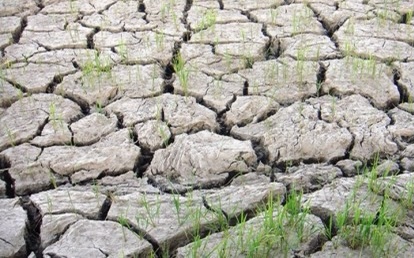
El Niño_DA.jpg(Photo courtesy of Department of Agriculture/PhilRice)


Task Force El Niño spokesperson Joey Villarama said during the Bagong Pilipinas briefing that the El Niño phenomenon will have different impact on the provinces.
 

“Pagtungtong po ng pagtatapos ng Abril, baka ‘yung otsenta pong iyon eh apektado na in varying degrees. Iyon ‘yung dry conditions, dry spell at saka drought (By the end of April, maybe those 80 will be affected in varying degrees. That’s the dry conditions, dry spell, and drought),” he explained.
 

This number is up from the 67 to 71 provinces that the official said would be affected by the phenomenon in the next three months.
 

Villarama noted that the task force is keeping a close eye on Regions 1, 2, 3, 4A, 4B, 6, 9, and 12.
 

So far, there are 16 towns have already declared a state of calamity due to El Niño, Villarama said, adding that Occidental Mindoro is the most affected province as it has declared a state of calamity for the entire province.
 

Western Visayas (Region 6) is also being adversely impacted, while Iloilo and Capiz have declared a suspension of classes for April 1 and 2 due to “high heat conditions.”
 

The task force spokesperson underscored the need to monitor the situation in the next two months because of the onset of the summer season.
 

“Iyong susunod na dalawang buwan ang binabantayan talaga natin, dahil nga officially pumasok na iyong summer season. As I mentioned that, tumataas na konsumo ng tubig (We are really monitoring the next two months because officially, it’s summer season. As I mentioned, water consumption is also increasing),” he said.
 

Villarama, however, assured that the government has prepared mitigation measures and interventions to provide financial and other kinds of assistance—providing high-value seeds for high-value crops—to the affected provinces.
 

The official also revealed that the local government units affected severely affected by El Niño are requesting for “alternative ways of getting water whether dissecting of shallow tube wells or diversion from communal irrigation system.”
 

Citing the March 25 data, Villarama said that El Niño’s damage to the agricultural sector has reached P1.75 billion.
 

This translates to roughly 32,231 hectares of farmlands that have been affected, although he said that 79 percent of the area “has a chance to be salvaged or recovered.”

Related Tags

Drought Occidental Mindoro El Niño Joey Villarama
ADVERTISEMENT
.most-popular .layout-ratio{ padding-bottom: 79.13%; } @media (min-width: 768px) and (max-width: 1024px) { .widget-title { font-size: 15px !important; } }

{{ articles_filter_1561_widget.title }}

.most-popular .layout-ratio{ padding-bottom: 79.13%; } @media (min-width: 768px) and (max-width: 1024px) { .widget-title { font-size: 15px !important; } }

{{ articles_filter_1562_widget.title }}

.most-popular .layout-ratio{ padding-bottom: 79.13%; } @media (min-width: 768px) and (max-width: 1024px) { .widget-title { font-size: 15px !important; } }

{{ articles_filter_1563_widget.title }}

{{ articles_filter_1564_widget.title }}

.mb-article-details { position: relative; } .mb-article-details .article-body-preview, .mb-article-details .article-body-summary{ font-size: 17px; line-height: 30px; font-family: "Libre Caslon Text", serif; color: #000; } .mb-article-details .article-body-preview iframe , .mb-article-details .article-body-summary iframe{ width: 100%; margin: auto; } .read-more-background { background: linear-gradient(180deg, color(display-p3 1.000 1.000 1.000 / 0) 13.75%, color(display-p3 1.000 1.000 1.000 / 0.8) 30.79%, color(display-p3 1.000 1.000 1.000) 72.5%); position: absolute; height: 200px; width: 100%; bottom: 0; display: flex; justify-content: center; align-items: center; padding: 0; } .read-more-background a{ color: #000; } .read-more-btn { padding: 17px 45px; font-family: Inter; font-weight: 700; font-size: 18px; line-height: 16px; text-align: center; vertical-align: middle; border: 1px solid black; background-color: white; } .hidden { display: none; }
function initializeAllSwipers() { // Get all hidden inputs with cms_article_id document.querySelectorAll('[id^="cms_article_id_"]').forEach(function (input) { const cmsArticleId = input.value; const articleSelector = '#article-' + cmsArticleId + ' .body_images'; const swiperElement = document.querySelector(articleSelector); if (swiperElement && !swiperElement.classList.contains('swiper-initialized')) { new Swiper(articleSelector, { loop: true, pagination: false, navigation: { nextEl: '#article-' + cmsArticleId + ' .swiper-button-next', prevEl: '#article-' + cmsArticleId + ' .swiper-button-prev', }, }); } }); } setTimeout(initializeAllSwipers, 3000); const intersectionObserver = new IntersectionObserver( (entries) => { entries.forEach((entry) => { if (entry.isIntersecting) { const newUrl = entry.target.getAttribute("data-url"); if (newUrl) { history.pushState(null, null, newUrl); let article = entry.target; // Extract metadata const author = article.querySelector('.author-section').textContent.replace('By', '').trim(); const section = article.querySelector('.section-info ').textContent.replace(' ', ' '); const title = article.querySelector('.article-title h1').textContent; // Parse URL for Chartbeat path format const parsedUrl = new URL(newUrl, window.location.origin); const cleanUrl = parsedUrl.host + parsedUrl.pathname; // Update Chartbeat configuration if (typeof window._sf_async_config !== 'undefined') { window._sf_async_config.path = cleanUrl; window._sf_async_config.sections = section; window._sf_async_config.authors = author; } // Track virtual page view with Chartbeat if (typeof pSUPERFLY !== 'undefined' && typeof pSUPERFLY.virtualPage === 'function') { try { pSUPERFLY.virtualPage({ path: cleanUrl, title: title, sections: section, authors: author }); } catch (error) { console.error('ping error', error); } } // Optional: Update document title if (title && title !== document.title) { document.title = title; } } } }); }, { threshold: 0.1 } ); function showArticleBody(button) { const article = button.closest("article"); const summary = article.querySelector(".article-body-summary"); const body = article.querySelector(".article-body-preview"); const readMoreSection = article.querySelector(".read-more-background"); // Hide summary and read-more section summary.style.display = "none"; readMoreSection.style.display = "none"; // Show the full article body body.classList.remove("hidden"); } document.addEventListener("DOMContentLoaded", () => { let loadCount = 0; // Track how many times articles are loaded const offset = [1, 2, 3, 4, 5, 6, 7, 8, 9, 10]; // Offset values const currentUrl = window.location.pathname.substring(1); let isLoading = false; // Prevent multiple calls if (!currentUrl) { console.log("Current URL is invalid."); return; } const sentinel = document.getElementById("load-more-sentinel"); if (!sentinel) { console.log("Sentinel element not found."); return; } function isSentinelVisible() { const rect = sentinel.getBoundingClientRect(); return ( rect.top < window.innerHeight && rect.bottom >= 0 ); } function onScroll() { if (isLoading) return; if (isSentinelVisible()) { if (loadCount >= offset.length) { console.log("Maximum load attempts reached."); window.removeEventListener("scroll", onScroll); return; } isLoading = true; const currentOffset = offset[loadCount]; window.loadMoreItems().then(() => { let article = document.querySelector('#widget_1690 > div:nth-last-of-type(2) article'); intersectionObserver.observe(article) loadCount++; }).catch(error => { console.error("Error loading more items:", error); }).finally(() => { isLoading = false; }); } } window.addEventListener("scroll", onScroll); });

Sign up by email to receive news.