






 Philippines
National
Combatting colorectal cancer in the Philippines: Expert urges early screening
Philippines
National
Combatting colorectal cancer in the Philippines: Expert urges early screening
Combatting colorectal cancer in the Philippines: Expert urges early screening


A gastroenterologist expert emphasized that the issue with colorectal cancer in the Philippines stems from delayed diagnoses, attributed to the lack of a national screening initiative.
During the TeleRadyo interview on Saturday, March 9, Philippine and American Board-Certified Gastroenterologist Dr. Jun Ruiz emphasized the critical importance of considering the advice of the Department of Health (DOH), stressing the significance of early screening to detect and address potential illnesses promptly.
"The survival rate of cancer patients is closely linked to the stage at which the disease is detected. If caught early, particularly in stages 1 or 2, treatment can be highly effective, with a considerably high rate of survivorship," he emphasized.
Highlighting the statistics, Ruiz revealed that, as of the latest data in 2022, there were 20,000 reported cases of colon cancer in the Philippines, resulting in approximately 10,000 deaths.
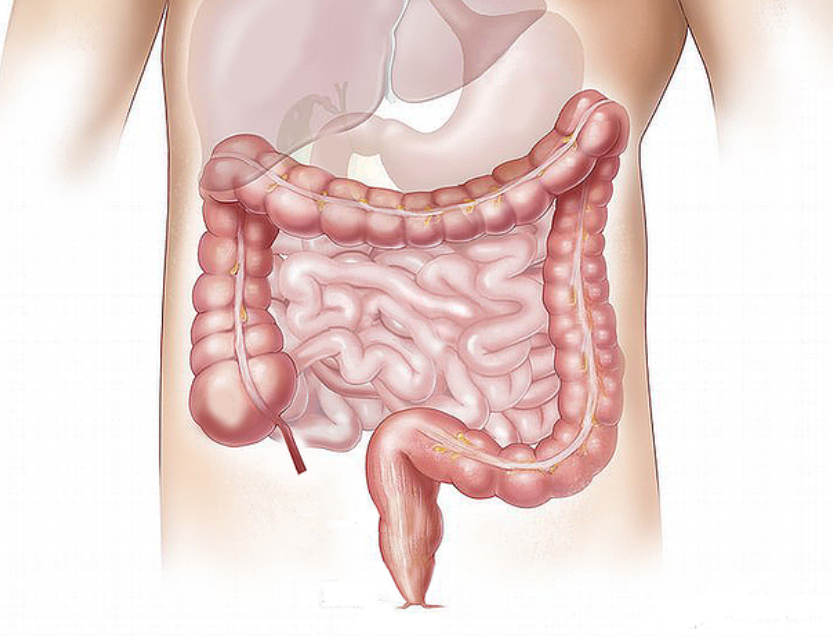
Meanwhile, explaining the details of the digestive system, the expert stated how the colon, also known as the “large intestine,” plays a vital role in absorbing nutrients from food and storing waste, underscoring the importance of keeping it healthy.
"In the small intestine, this is where a person absorbs the nutrients from the food they eat, while the large intestine or colon is where water absorption occurs and where our waste is also stored," he noted.
In addition, Ruiz clarified the function of the rectum as the final storage area for waste before it is expelled.
"Kaya colorectal kasi the colon is the majority ng large intestine, plus 'yung tumbong o rectum kaya colorectal (Thus, it's called colorectal because the colon comprises the majority of the large intestine, plus the rectum or anus)," he pointed out.
Colorectal cancer screening
Moreover, regarding screening procedures, Ruiz clarified that screenings are typically conducted on individuals “without symptoms.”
"Kung mayroon ka na kasing sintomas, hindi na ito screening kundi diagnostic na (If you already have symptoms, it's no longer screening but diagnostic)," he clarified.
The expert further elaborated on the effectiveness of “early detection through screening,” highlighting the nearly 100 percent curability rate when cancer is identified in its early stages.
Ruiz emphasized that colorectal cancer often originates from polyps, which can take up to a “decade” to develop into cancerous growths.
"Let's say you undergo a colonoscopy or stool test and find a polyp; we can remove it before it turns into cancer," Ruiz stated, emphasizing that colon cancer is "preventable."
While colonoscopy remains the “gold standard” for screening, he acknowledged that stool tests provide a viable alternative for individuals apprehensive about invasive procedures.
"Madali lang itong gawin at available ito in most hospitals, magko-kolekta ka lang ng dumi at hinahanap natin ang miscroscopic or ocult blood na hindi nakikita ng mata (It's easy to do and available in most hospitals; you just need to collect a stool sample, and we look for microscopic or occult blood that is not visible to the naked eye)," he noted.
"For individuals aged 50 and above, screening is strongly recommended, as this is the optimal age range for early detection," Ruiz advised.
Symptoms
Related to this, by enumerating common symptoms of colorectal cancer, the expert warned against ignoring signs such as rectal bleeding, changes in bowel habits, abdominal pain, anemia, and unintended weight loss.
Risk Factors
On the other hand, in addressing risk factors, Ruiz categorized them into “non-modifiable” and “modifiable” factors.
One of the non-modifiable factors is age, so individuals who are 50 years old and older are at risk for colon cancer, said the expert.
"Second is family history; if your parents or first-degree relatives have had cancer, then you are at a higher risk because cancer is partly familial and genetic," Ruiz explained.
He also emphasized that when there are such cases, screening should be done earlier, starting at the age of 40 years old.
“But for example, if your mother had colorectal cancer at the age of 35, you should undergo screening at the age of 25," Ruiz emphasized.
Another risk factor mentioned by the expert is that when a person has had cancer and recovered, they are considered to be at a higher risk for the future.
Meanwhile, about the “non-modifiable factors,” he said that lifestyle choices such as alcohol consumption, smoking, lack of exercise, and obesity can be modified to reduce risk.
Ruiz cautioned against the consumption of fatty and processed foods, advocating for a diet rich in oats and fiber-rich vegetables to maintain intestinal health.
The expert emphasized the urgent need for a national screening program to combat the rising incidence of colorectal cancer in the Philippines, stressing that early detection remains the cornerstone of effective cancer management.