







Wins and disappointments at MC13


EDITORS DESK
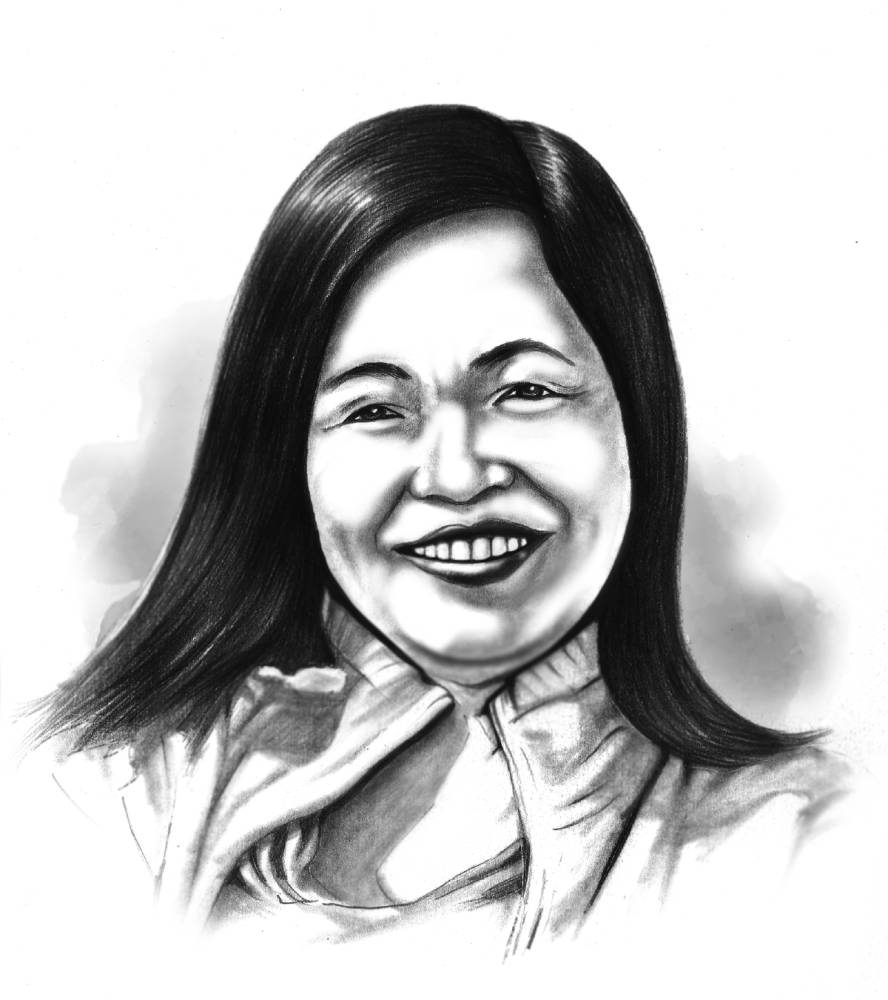
I started covering global trade issues, which used to be GATT (General Agreement on Tariffs and Trade (GATT), since my very first day as reporter covering the Department of Trade and Industry and its overarching role among industries and businesses.
In December 1994, the Philippine Senate ratified the “Marrakesh Agreement Establishing the World Trade Organization.” The Philippines became a founding member of the WTO as the agreement entered into force on Jan. 1, 1995.
As a new reporter, it was a challenge with new trade jargons to absorb and policies and agreements to understand. While I don’t pretend to have followed and understood all its precepts, which to me are like good resources for thesis or dissertation, the WTO became so real only to me when its members started having trade disputes or engaged in trade wars.
Data from the WTO website showed that between the entry into force of the WTO on Jan. 1, 1995 and Dec. 30, 2022, there were a total of 615 requests for consultations circulated to its membership, which counts a total of 164 countries to date.
During that period, 53 WTO members initiated at least one dispute, and 61 members were a respondents in at least one dispute. In addition, a total of 90 members have participated as third parties in proceedings between two or more WTO members. Overall, a total of 111 members have been active in dispute settlement, as a party or a third party.
WTO, which is supposed to be a bastion of trade globalization, saw a proliferation of unilateral trade retaliations in the form of higher tariffs on imports to protect domestic industries. These measures though are allowed by WTO given proper notifications and are time-bound.
For instance, there were a total of 424 safeguard measures filed by member countries as of December 2023. There were also 292 countervailing measures and 145 anti-dumping measures enforced as of June 2023.
Not to be left behind, the Philippines also has a share of trade disputes, but not so controversial as the one involving its tobacco tax issue against Thailand.
The case started in 2006 when the Philippines filed a complaint against its ASEAN neighbor before the WTO dispute settlement body. The case was docketed DS371. The Philippines accused Thailand of violating the GATT 1994 regarding the valuation methods of customs and value-added tax on its cigarette exports.
The Philippines practically won almost all decisions and appeals at the different levels in the WTO dispute settlement. Sadly, the rulings remained unimplemented for various reasons.
Worse, the Philippines was caught in a stalemate as the WTO Appellate Body, which has seven members, has been unable to review pending trade disputes since 2019 because of vacancies. More than a decade after, the tax discrimination case on Philippine tobacco exports to Thailand still remained in limbo.
The Philippine cigarette case is just one example of the inefficiencies of the WTO dispute settlement system.
At the 13th Ministerial Conference (MC13) in Abu Dhabi, WTO members, including the Philippines, reaffirmed their commitment to finding agreement to restore a fully functioning dispute settlement system by the end of 2024.
Reform of the system is critical to WTO’s overall legitimacy. There is a need to stop the erosion of trade rules and provide stability for companies to invest and export.
If the WTO decisions and rulings on disputes can easily be ignored by its members, then the multilateral trade body simply loses its power and relevance.
Another disappointing outcome at the MC13 is the fact that WTO members were unable to reach consensus on additional provisions to achieve a comprehensive agreement on fisheries subsidies.
For its part, the Philippines solidified its commitment to sustainable and environmentally conscious practices in fisheries trade by depositing its Instrument of Ratification to the Fisheries Subsidies Agreement (FSA), making it the 70th WTO Member to ratify the FSA.
The FSA is a landmark agreement to combat subsidies that contribute to Illegal, unreported, and unregulated fishing practices, ensuring the sustainability of marine resources crucial for the livelihood of fisherfolks and coastal communities and help ensure food security.
It was also a big disappointment that WTO members failed to reach consensus on agriculture, including with respect to export restrictions of food destined for least-developed country (LDC) members.
Nonetheless, there were also major wins at MC13. These are on new rules to improve global services trade, environmental cooperation, and strengthening the position of developing countries in the global trading system.
One critical agreement was the renewal of “e-commerce moratorium” until MC14, maintaining duty free trade in online services, including apps, games and software, as well as digitally transmitted content such as music, video, and other digital files.
The e-commerce moratorium, which has been in place since 1998, allows businesses and consumers around the world to reach new markets or new audiences, and to participate in global value chains.
Incidentally, today is Women’s Day. At the helm of WTO is the nurturing but feisty Ngozi Okonjo-Iweala, who has been steering the trade body since March 2021. She is the first woman and the first African to hold the position of WTO director general.
Okonjo-Iweala navigated the organization through the pandemic period and the tumultuous geopolitical tensions that adversely affected global trade. She is the biggest WTO win.