ADVERTISEMENT

Jobs on the rise: New urban developments are driving employment growth

Published Mar 6, 2024 08:43 am
Jobs on the Rise_Headline photo.jpg
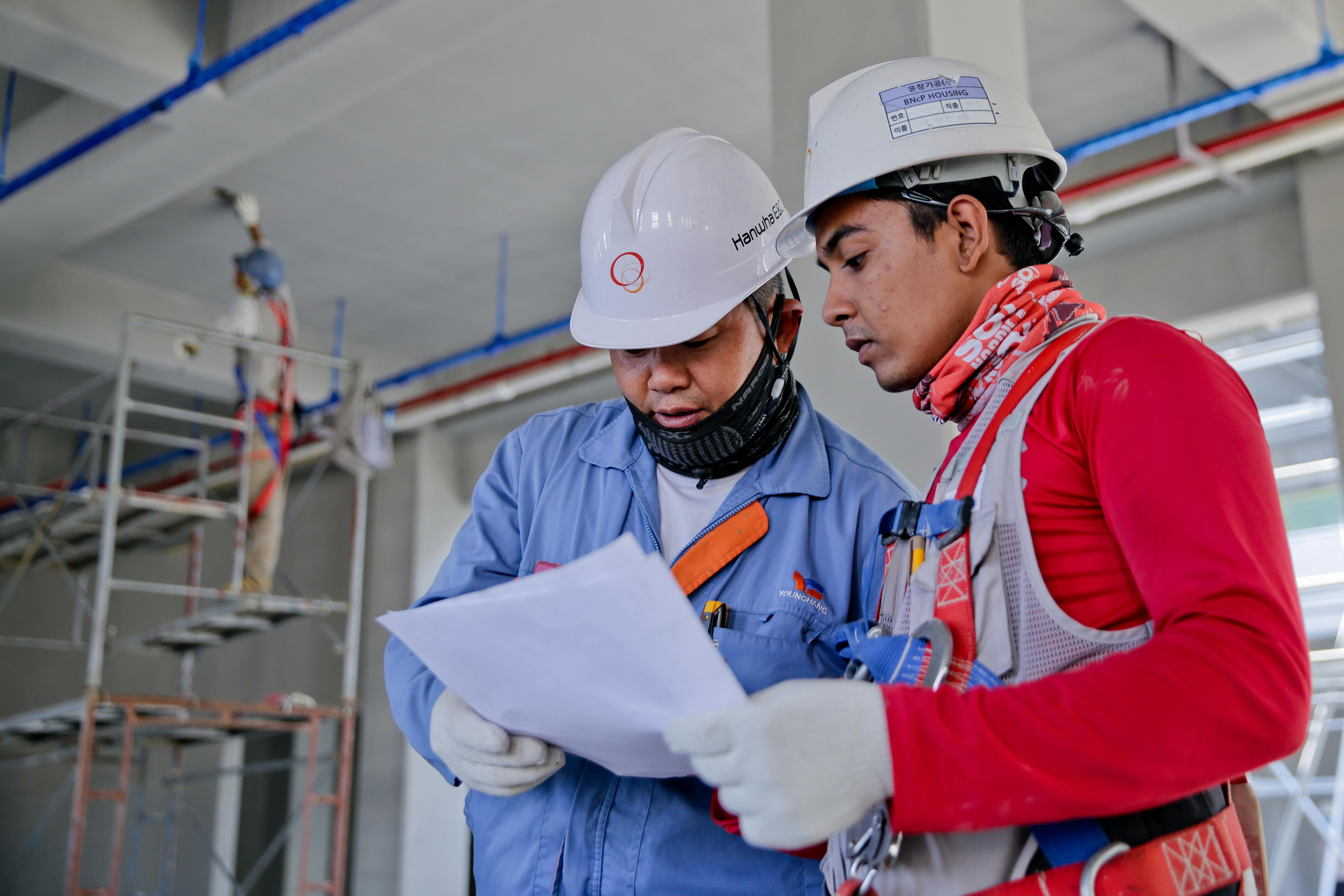
Construction jobs are generated from new urban developments (Photo courtesy to Anamul Rezwan)

Cities worldwide, while diverse in demographics and culture, share a common pursuit of progress through new urban developments. These projects not only enhance convenience amid urban congestion but also stimulate local economies and communities through various socio-economic activities like job creation.

Whether in the form of public transportation, cutting-edge business districts, or towering residential communities, a single new development requires a whole host of jobs from pre-construction, to construction, and completion. These range from real estate developers and planners to construction workers and suppliers – all requiring extensive collaboration for successful project development.

Hudson Yards: Direct and indirect employment opportunities
Jobs on the Rise_2nd photo.jpg
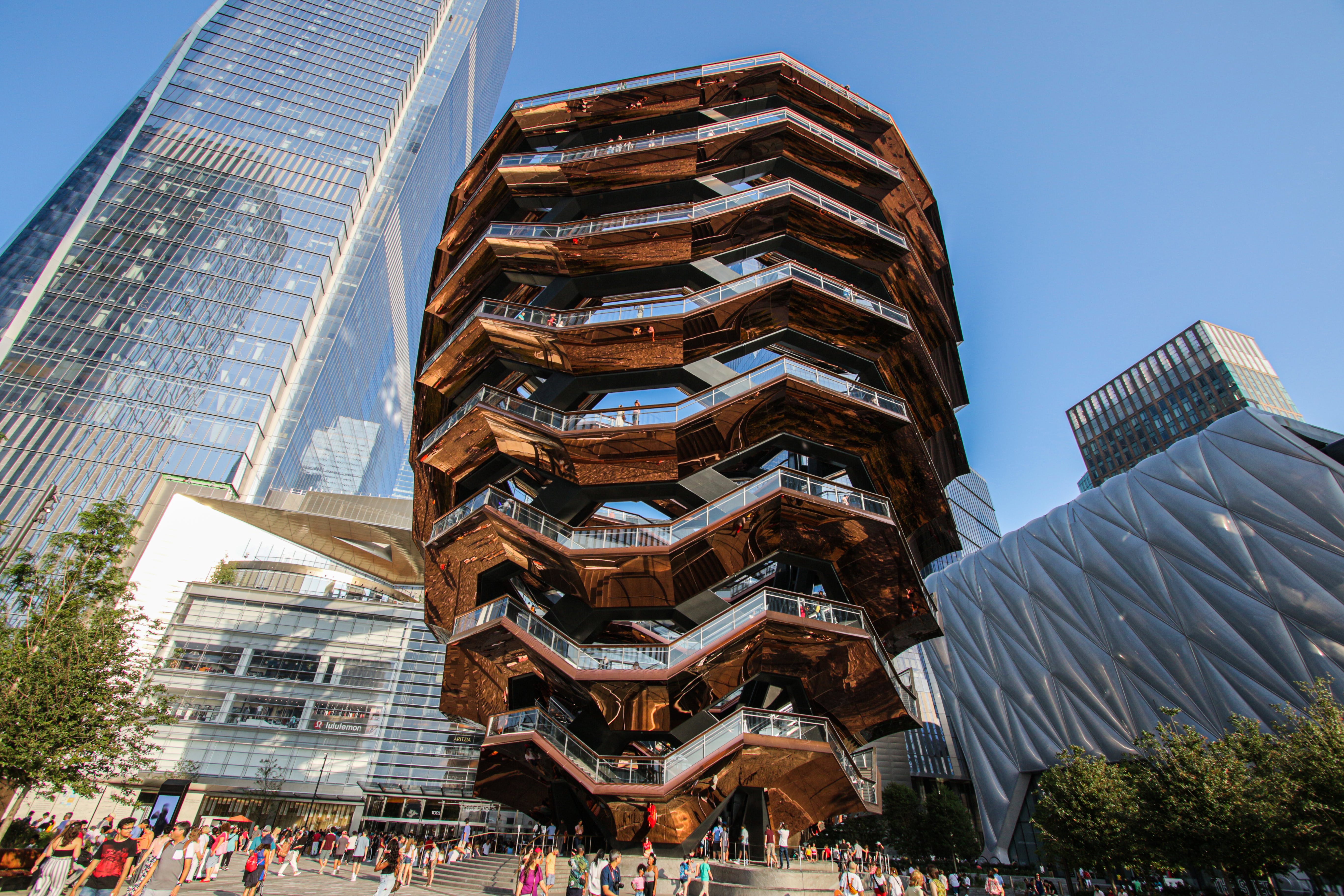
Featuring ‘Vessel’, a honeycomb-like structure and visitor attraction in the Hudson Yards Development in Manhattan, New York City (Photo courtesy of Following NYC)

The cycle of job creation doesn’t stop after completion. A new development also drives indirect employment opportunities generated from industries attracted or related to the development.

Such is the case for Hudson Yards, New York City’s 28-acre mixed-use development and considerably the United States’ biggest megadevelopment in history. It had created thousands of construction jobs that resulted in transforming Manhattan’s iconic skyline and becoming home to diverse shops, offices, cultural institutions, and hotels and residences. Ongoing operations and management of these facilities are expected to contribute to its large-scale economy, such as hosting over 55,752 workers daily and about $19 billion annually to the city’s GDP.

Dubai and Songdo IBD: Creating economic opportunities afresh
Jobs on the Rise_3rd photo.jpg
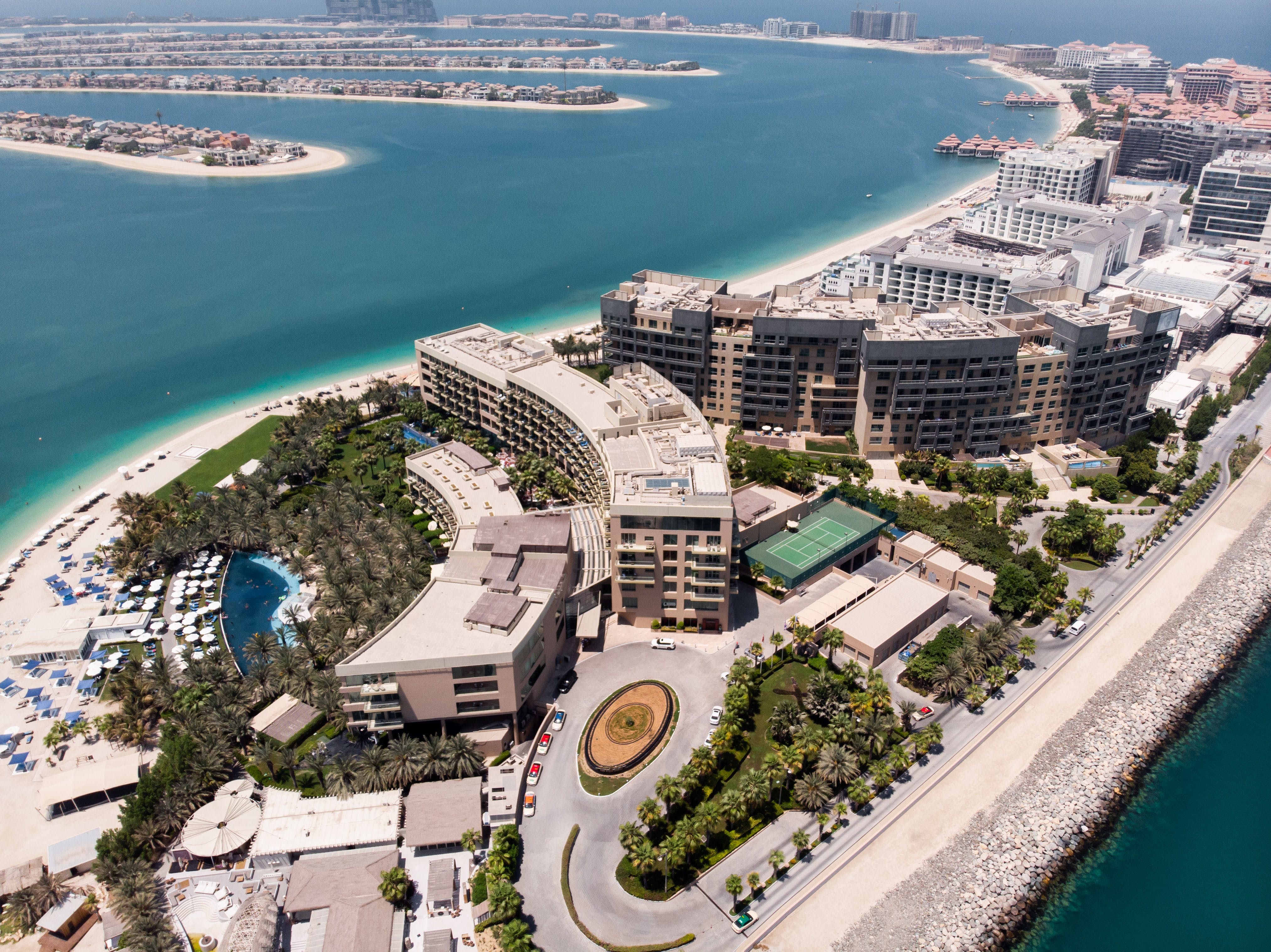
A closer aerial view of the Palm Islands (Photo courtesy to Kadir Avşar)

Meanwhile, cities like Dubai and Songdo International Business District (IBD) generate jobs by creating economic opportunities from the ground up. They used land reclamation as an urban development strategy to address land scarcity and high population density challenges.

Dubai's ambitious projects, including the Palm Islands, the World Islands, and Burj Al Arab, have turned it into an ultramodern metropolis for commerce and tourism. In 2023, it drew over 30,000 new businesses, driving demand for talent in finance, legal, and digital technology sectors.

The Songdo IBD is an ongoing smart city built on reclaimed land in Incheon, South Korea. It’s designed to be an international business and residential hub with sustainable features. As of 2020, the 1,500-acre development hosts about 30,000 residents, 33,000 jobs, and 70 percent fewer emissions than any other development.

SM’s Integrated City Developments: Empowering local communities and residents

Jobs on the Rise_4th photo.jpg
An aerial view of SM Mall of Asia (MOA) featuring its iconic Globamaze and thriving network of retail, business, residential, and hotel developments. (Contributed photo by SM Prime)

The SM Group, a leading conglomerate in the Philippines, has an ecosystem of interests spanning retail, banking, property, and mall developments across the country, making it the largest employer with over 140,000 employees.

For every SM mall development by SM Prime Holdings, the integrated property developer of the Group, the local economy is invigorated because of the opportunities created by supporting small and medium enterprises (SMEs) that comprise about 68 percent of its mall tenants. 

For instance, SM City Bataan, SM Supermalls’ 83rd mall, employs about 96 percent of its mall administration staff who are residents called Bataeños, including two in leadership roles. It also proudly showcases local industries by partnering with homegrown businesses like family-owned brands and locally managed franchises.

Job security, stable income, and tax revenues contribute to the local workforce’s quality of life; and SM Prime ensures to manifest these waves of progress in its developments, especially in its future plans for smart cities in the Philippines to be spearheaded by its ongoing 360-hectare development in Pasay City.

New urban developments are catalysts for growth, innovation, and avenues for increased prosperity, shaping local economies through job creation and improved lives. The success of these city centers requires a network of opportunities – from its pre-construction supply chain to empowering businesses for individuals to thrive and contribute to the communities.

Related Tags

Hudson Yards SM Prime Holdings Inc. sm group SM Supermalls
ADVERTISEMENT
.most-popular .layout-ratio{ padding-bottom: 79.13%; } @media (min-width: 768px) and (max-width: 1024px) { .widget-title { font-size: 15px !important; } }

{{ articles_filter_1561_widget.title }}

.most-popular .layout-ratio{ padding-bottom: 79.13%; } @media (min-width: 768px) and (max-width: 1024px) { .widget-title { font-size: 15px !important; } }

{{ articles_filter_1562_widget.title }}

.most-popular .layout-ratio{ padding-bottom: 79.13%; } @media (min-width: 768px) and (max-width: 1024px) { .widget-title { font-size: 15px !important; } }

{{ articles_filter_1563_widget.title }}

{{ articles_filter_1564_widget.title }}

.mb-article-details { position: relative; } .mb-article-details .article-body-preview, .mb-article-details .article-body-summary{ font-size: 17px; line-height: 30px; font-family: "Libre Caslon Text", serif; color: #000; } .mb-article-details .article-body-preview iframe , .mb-article-details .article-body-summary iframe{ width: 100%; margin: auto; } .read-more-background { background: linear-gradient(180deg, color(display-p3 1.000 1.000 1.000 / 0) 13.75%, color(display-p3 1.000 1.000 1.000 / 0.8) 30.79%, color(display-p3 1.000 1.000 1.000) 72.5%); position: absolute; height: 200px; width: 100%; bottom: 0; display: flex; justify-content: center; align-items: center; padding: 0; } .read-more-background a{ color: #000; } .read-more-btn { padding: 17px 45px; font-family: Inter; font-weight: 700; font-size: 18px; line-height: 16px; text-align: center; vertical-align: middle; border: 1px solid black; background-color: white; } .hidden { display: none; }
function initializeAllSwipers() { // Get all hidden inputs with cms_article_id document.querySelectorAll('[id^="cms_article_id_"]').forEach(function (input) { const cmsArticleId = input.value; const articleSelector = '#article-' + cmsArticleId + ' .body_images'; const swiperElement = document.querySelector(articleSelector); if (swiperElement && !swiperElement.classList.contains('swiper-initialized')) { new Swiper(articleSelector, { loop: true, pagination: false, navigation: { nextEl: '#article-' + cmsArticleId + ' .swiper-button-next', prevEl: '#article-' + cmsArticleId + ' .swiper-button-prev', }, }); } }); } setTimeout(initializeAllSwipers, 3000); const intersectionObserver = new IntersectionObserver( (entries) => { entries.forEach((entry) => { if (entry.isIntersecting) { const newUrl = entry.target.getAttribute("data-url"); if (newUrl) { history.pushState(null, null, newUrl); let article = entry.target; // Extract metadata const author = article.querySelector('.author-section').textContent.replace('By', '').trim(); const section = article.querySelector('.section-info ').textContent.replace(' ', ' '); const title = article.querySelector('.article-title h1').textContent; // Parse URL for Chartbeat path format const parsedUrl = new URL(newUrl, window.location.origin); const cleanUrl = parsedUrl.host + parsedUrl.pathname; // Update Chartbeat configuration if (typeof window._sf_async_config !== 'undefined') { window._sf_async_config.path = cleanUrl; window._sf_async_config.sections = section; window._sf_async_config.authors = author; } // Track virtual page view with Chartbeat if (typeof pSUPERFLY !== 'undefined' && typeof pSUPERFLY.virtualPage === 'function') { try { pSUPERFLY.virtualPage({ path: cleanUrl, title: title, sections: section, authors: author }); } catch (error) { console.error('ping error', error); } } // Optional: Update document title if (title && title !== document.title) { document.title = title; } } } }); }, { threshold: 0.1 } ); function showArticleBody(button) { const article = button.closest("article"); const summary = article.querySelector(".article-body-summary"); const body = article.querySelector(".article-body-preview"); const readMoreSection = article.querySelector(".read-more-background"); // Hide summary and read-more section summary.style.display = "none"; readMoreSection.style.display = "none"; // Show the full article body body.classList.remove("hidden"); } document.addEventListener("DOMContentLoaded", () => { let loadCount = 0; // Track how many times articles are loaded const offset = [1, 2, 3, 4, 5, 6, 7, 8, 9, 10]; // Offset values const currentUrl = window.location.pathname.substring(1); let isLoading = false; // Prevent multiple calls if (!currentUrl) { console.log("Current URL is invalid."); return; } const sentinel = document.getElementById("load-more-sentinel"); if (!sentinel) { console.log("Sentinel element not found."); return; } function isSentinelVisible() { const rect = sentinel.getBoundingClientRect(); return ( rect.top < window.innerHeight && rect.bottom >= 0 ); } function onScroll() { if (isLoading) return; if (isSentinelVisible()) { if (loadCount >= offset.length) { console.log("Maximum load attempts reached."); window.removeEventListener("scroll", onScroll); return; } isLoading = true; const currentOffset = offset[loadCount]; window.loadMoreItems().then(() => { let article = document.querySelector('#widget_1690 > div:nth-last-of-type(2) article'); intersectionObserver.observe(article) loadCount++; }).catch(error => { console.error("Error loading more items:", error); }).finally(() => { isLoading = false; }); } } window.addEventListener("scroll", onScroll); });

Sign up by email to receive news.