ADVERTISEMENT

Digital literacy and online safety to combat gender-based digital violence

Published Mar 5, 2024 04:05 pm

NIGHT OWL

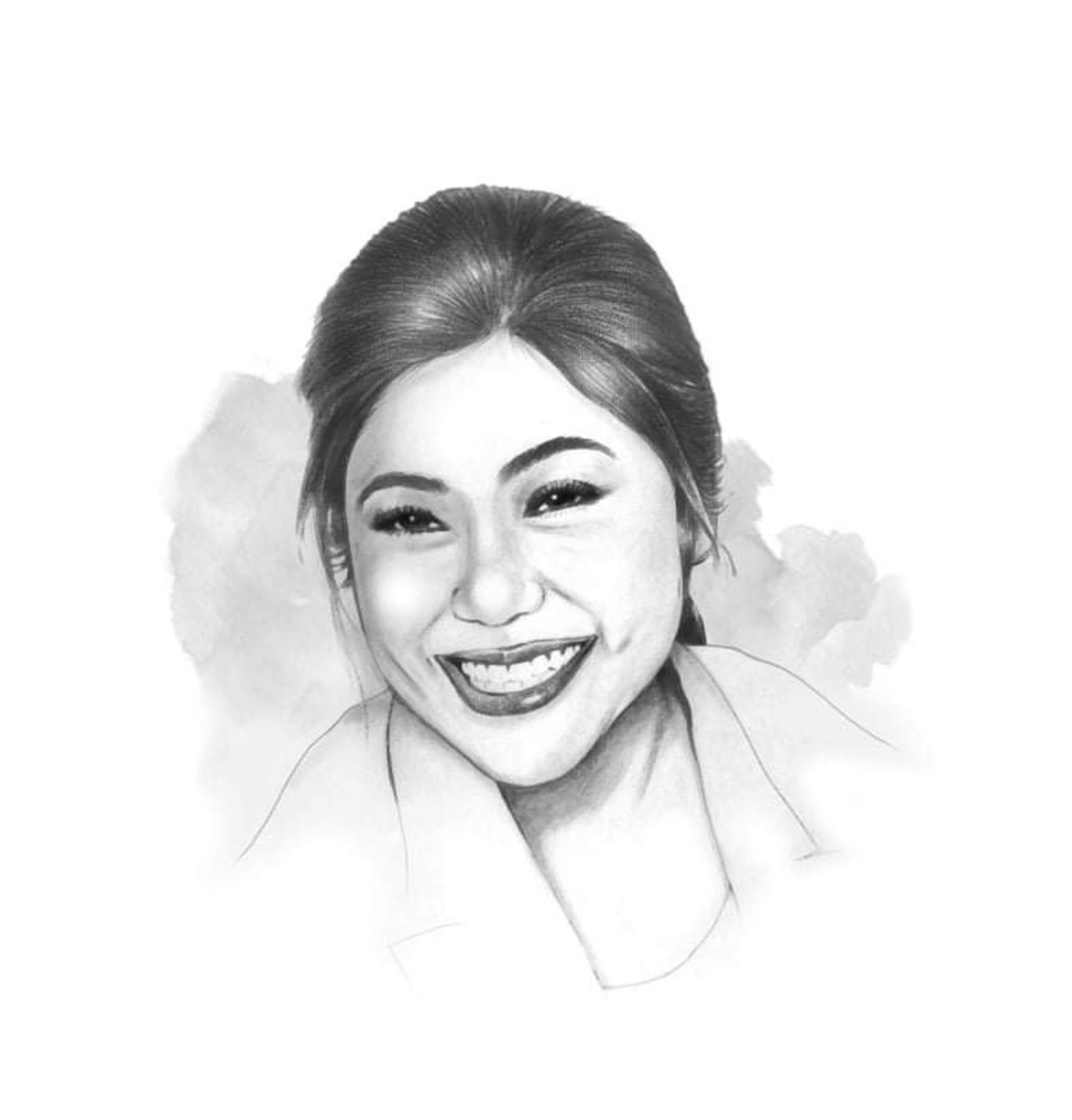
Anna Mae Lamentillo.jpg

Before the dawn of the internet, we would get our news from traditional media. When we had to research, we would consult our encyclopedias, or visit our libraries, scouring over books, spending several hours reading experts’ studies and research papers. It was time-consuming, but we knew our sources, and our information were backed by evidence. 
Today, armed with a palm-sized gadget connected to a Wi-Fi, we can already access the vast world wide web. Type in a word or a phrase and you get hundreds and thousands of links to various information — so many that it confuses us which is factual.


According to the 2021 Truth Gap Report of Plan International, 87 percent of girls and young women surveyed in 26 countries said that misinformation and disinformation are having a negative impact on them. Twenty percent of them even felt physically unsafe because of misinformation and disinformation online.


Because of misinformation and disinformation, one out of four girls feel less confident to share their views, and one out of five girls stop engaging in politics or current affairs. Moreover, there was no single online source of information that the majority of girls and young women surveyed actually trusted.


It is easy to create anonymous websites, emails, and social media accounts to sow disinformation. Once they’re out in the web, it becomes harder for many people to distinguish fact from myth.


Moreover, the digital space is being used by unscrupulous individuals. Technology-Facilitated Gender-Based Violence (TF GBV) has started to proliferate. 


According to the United Nations Population Fund (UNFPA), nearly 60 percent of women around the world have experienced some form of digital violence, such as toxic social media posts, hate speech and violent content, or have their images sexualized, distorted and shared without their permission.


While digital literacy can help women and girls protect themselves from online violence or harassment, it is even vital to include women in designing the technology and innovations that are shaping our future and are becoming integral in our lives.


However, the UNFPA underscores that only one-fifth of people working on artificial intelligence are women. In line with this, it stressed on the importance of incorporating women and girls as active participants in the design and development of digital products, because when we place women and girls at the core, we can ensure that their needs, safety, and relevance can be protected and effectively addressed.


The internet has opened opportunities for learning, accessing valuable information, growth and development. But without adequate knowledge on how to safely access these content, many can be victims of TF GBV.


Enhancing product design, data privacy and security, massive information and awareness campaigns, improving digital literacy, and putting in place legislation that will hold offenders accountable are all necessary to create safe digital spaces and protect citizens, especially women and girls, from gender-based digital violence and harassment. 

Related Tags

NIGHT OWL Anna Mae Lamentillo
ADVERTISEMENT
.most-popular .layout-ratio{ padding-bottom: 79.13%; } @media (min-width: 768px) and (max-width: 1024px) { .widget-title { font-size: 15px !important; } }

{{ articles_filter_1561_widget.title }}

.most-popular .layout-ratio{ padding-bottom: 79.13%; } @media (min-width: 768px) and (max-width: 1024px) { .widget-title { font-size: 15px !important; } }

{{ articles_filter_1562_widget.title }}

.most-popular .layout-ratio{ padding-bottom: 79.13%; } @media (min-width: 768px) and (max-width: 1024px) { .widget-title { font-size: 15px !important; } }

{{ articles_filter_1563_widget.title }}

{{ articles_filter_1564_widget.title }}

.mb-article-details { position: relative; } .mb-article-details .article-body-preview, .mb-article-details .article-body-summary{ font-size: 17px; line-height: 30px; font-family: "Libre Caslon Text", serif; color: #000; } .mb-article-details .article-body-preview iframe , .mb-article-details .article-body-summary iframe{ width: 100%; margin: auto; } .read-more-background { background: linear-gradient(180deg, color(display-p3 1.000 1.000 1.000 / 0) 13.75%, color(display-p3 1.000 1.000 1.000 / 0.8) 30.79%, color(display-p3 1.000 1.000 1.000) 72.5%); position: absolute; height: 200px; width: 100%; bottom: 0; display: flex; justify-content: center; align-items: center; padding: 0; } .read-more-background a{ color: #000; } .read-more-btn { padding: 17px 45px; font-family: Inter; font-weight: 700; font-size: 18px; line-height: 16px; text-align: center; vertical-align: middle; border: 1px solid black; background-color: white; } .hidden { display: none; }
function initializeAllSwipers() { // Get all hidden inputs with cms_article_id document.querySelectorAll('[id^="cms_article_id_"]').forEach(function (input) { const cmsArticleId = input.value; const articleSelector = '#article-' + cmsArticleId + ' .body_images'; const swiperElement = document.querySelector(articleSelector); if (swiperElement && !swiperElement.classList.contains('swiper-initialized')) { new Swiper(articleSelector, { loop: true, pagination: false, navigation: { nextEl: '#article-' + cmsArticleId + ' .swiper-button-next', prevEl: '#article-' + cmsArticleId + ' .swiper-button-prev', }, }); } }); } setTimeout(initializeAllSwipers, 3000); const intersectionObserver = new IntersectionObserver( (entries) => { entries.forEach((entry) => { if (entry.isIntersecting) { const newUrl = entry.target.getAttribute("data-url"); if (newUrl) { history.pushState(null, null, newUrl); let article = entry.target; // Extract metadata const author = article.querySelector('.author-section').textContent.replace('By', '').trim(); const section = article.querySelector('.section-info ').textContent.replace(' ', ' '); const title = article.querySelector('.article-title h1').textContent; // Parse URL for Chartbeat path format const parsedUrl = new URL(newUrl, window.location.origin); const cleanUrl = parsedUrl.host + parsedUrl.pathname; // Update Chartbeat configuration if (typeof window._sf_async_config !== 'undefined') { window._sf_async_config.path = cleanUrl; window._sf_async_config.sections = section; window._sf_async_config.authors = author; } // Track virtual page view with Chartbeat if (typeof pSUPERFLY !== 'undefined' && typeof pSUPERFLY.virtualPage === 'function') { try { pSUPERFLY.virtualPage({ path: cleanUrl, title: title, sections: section, authors: author }); } catch (error) { console.error('ping error', error); } } // Optional: Update document title if (title && title !== document.title) { document.title = title; } } } }); }, { threshold: 0.1 } ); function showArticleBody(button) { const article = button.closest("article"); const summary = article.querySelector(".article-body-summary"); const body = article.querySelector(".article-body-preview"); const readMoreSection = article.querySelector(".read-more-background"); // Hide summary and read-more section summary.style.display = "none"; readMoreSection.style.display = "none"; // Show the full article body body.classList.remove("hidden"); } document.addEventListener("DOMContentLoaded", () => { let loadCount = 0; // Track how many times articles are loaded const offset = [1, 2, 3, 4, 5, 6, 7, 8, 9, 10]; // Offset values const currentUrl = window.location.pathname.substring(1); let isLoading = false; // Prevent multiple calls if (!currentUrl) { console.log("Current URL is invalid."); return; } const sentinel = document.getElementById("load-more-sentinel"); if (!sentinel) { console.log("Sentinel element not found."); return; } function isSentinelVisible() { const rect = sentinel.getBoundingClientRect(); return ( rect.top < window.innerHeight && rect.bottom >= 0 ); } function onScroll() { if (isLoading) return; if (isSentinelVisible()) { if (loadCount >= offset.length) { console.log("Maximum load attempts reached."); window.removeEventListener("scroll", onScroll); return; } isLoading = true; const currentOffset = offset[loadCount]; window.loadMoreItems().then(() => { let article = document.querySelector('#widget_1690 > div:nth-last-of-type(2) article'); intersectionObserver.observe(article) loadCount++; }).catch(error => { console.error("Error loading more items:", error); }).finally(() => { isLoading = false; }); } } window.addEventListener("scroll", onScroll); });

Sign up by email to receive news.