







NVIDIA powers quantum computing at Pawsey Supercomputing Centre


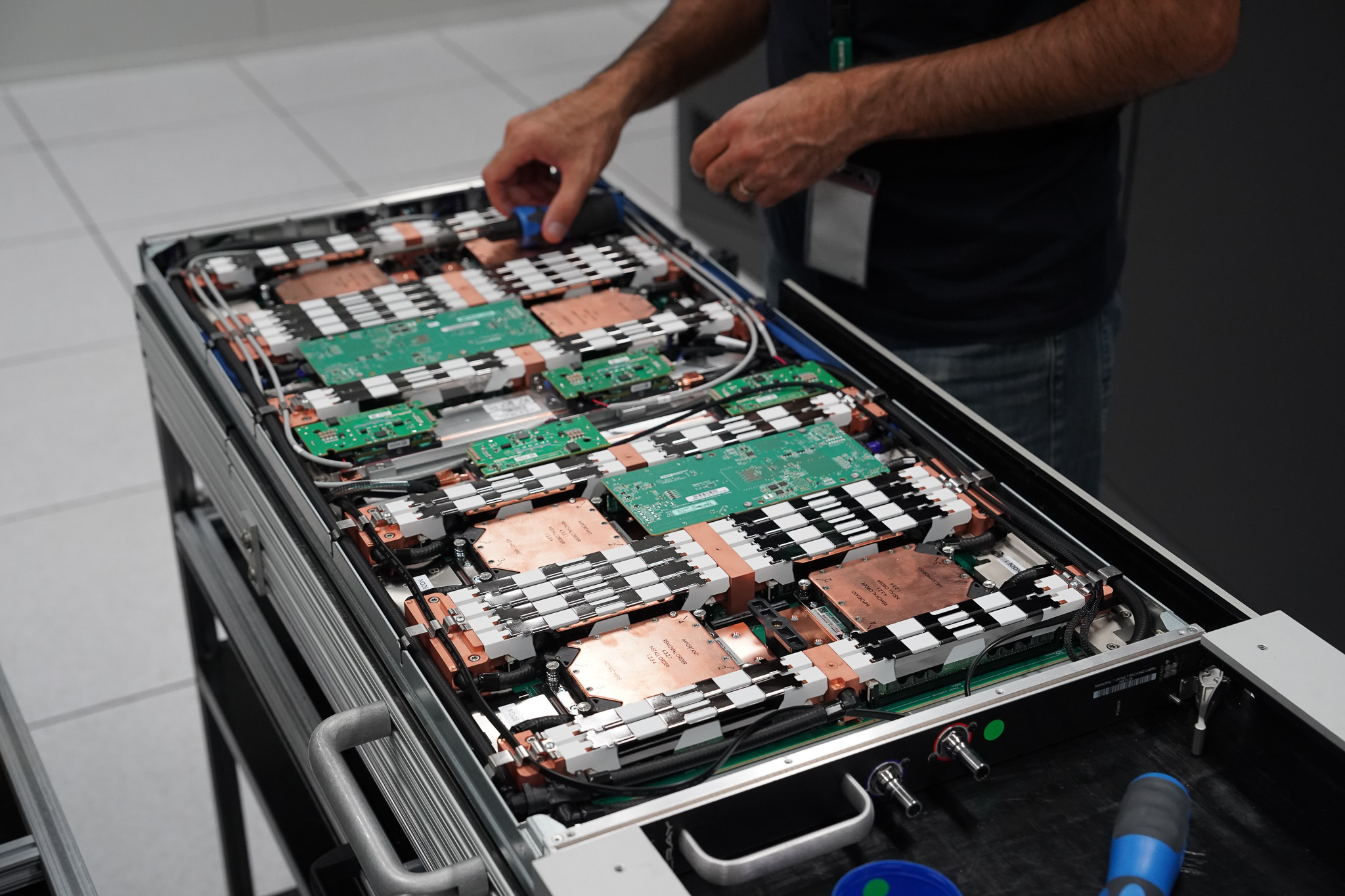
NVIDIA has announced that Australia’s Pawsey Supercomputing Research Centre will add NVIDIA Cuba Quantum platform, accelerated by the NVIDIA Grace Hopper Superchips, to their National Supercomputing and Quantum Computing Innovation Hub.
Researchers at the Perth-based center will leverage CUDA Quantum — an open-source hybrid quantum computing platform that features powerful simulation tools, and capabilities to program hybrid CPU, GPU and QPU systems — as well as, the NVIDIA cuQuantum software development kit of optimized libraries and tools for accelerating quantum computing workflows.
“High-performance simulation is essential for researchers to address the biggest challenges in quantum computing — from algorithm discovery and device design to the invention of powerful methods for error correction, calibration and control,” said Tim Costa, director of HPC and quantum computing at NVIDIA. “CUDA Quantum, together with the NVIDIA Grace Hopper Superchip, allows innovators such as Pawsey Supercomputing Research Centre to achieve these essential breakthroughs and accelerate the timeline to useful quantum-integrated supercomputing.”
“Pawsey Supercomputing Centre’s research and test-bed facility is helping to advance scientific exploration for all of Australia as well as the world,” said Mark Stickells, executive director at the Pawsey Supercomputing Research Centre. “NVIDIA’s CUDA Quantum platform will allow our scientists to push the boundaries of what’s possible in quantum computing research.”
Australia’s national science agency, CSIRO (Commonwealth Scientific and Industrial Research Organisation), estimates the domestic market opportunity from quantum computing to be worth $2.5 billion (about $8 per person in the US) annually in revenue, with the potential to create 10,000 new jobs by 2040. Achieving this will require quantum computing to be embedded in other scientific domains, with applications in astronomy, life sciences, medicine, finance and more.