






 Philippines
National
House leaders call for more objective, unbiased surveys on Cha-cha
Philippines
National
House leaders call for more objective, unbiased surveys on Cha-cha
House leaders call for more objective, unbiased surveys on Cha-cha


At A Glance
- Deputy Speaker Quezon 2nd district Rep. David "Jay-jay" Suarez and Majority Leader Zamboanga City 2nd district Rep. Mannix Dalipe are calling for more objective and unbiased surveys, particularly on the topic of the Charter change (Cha-cha).
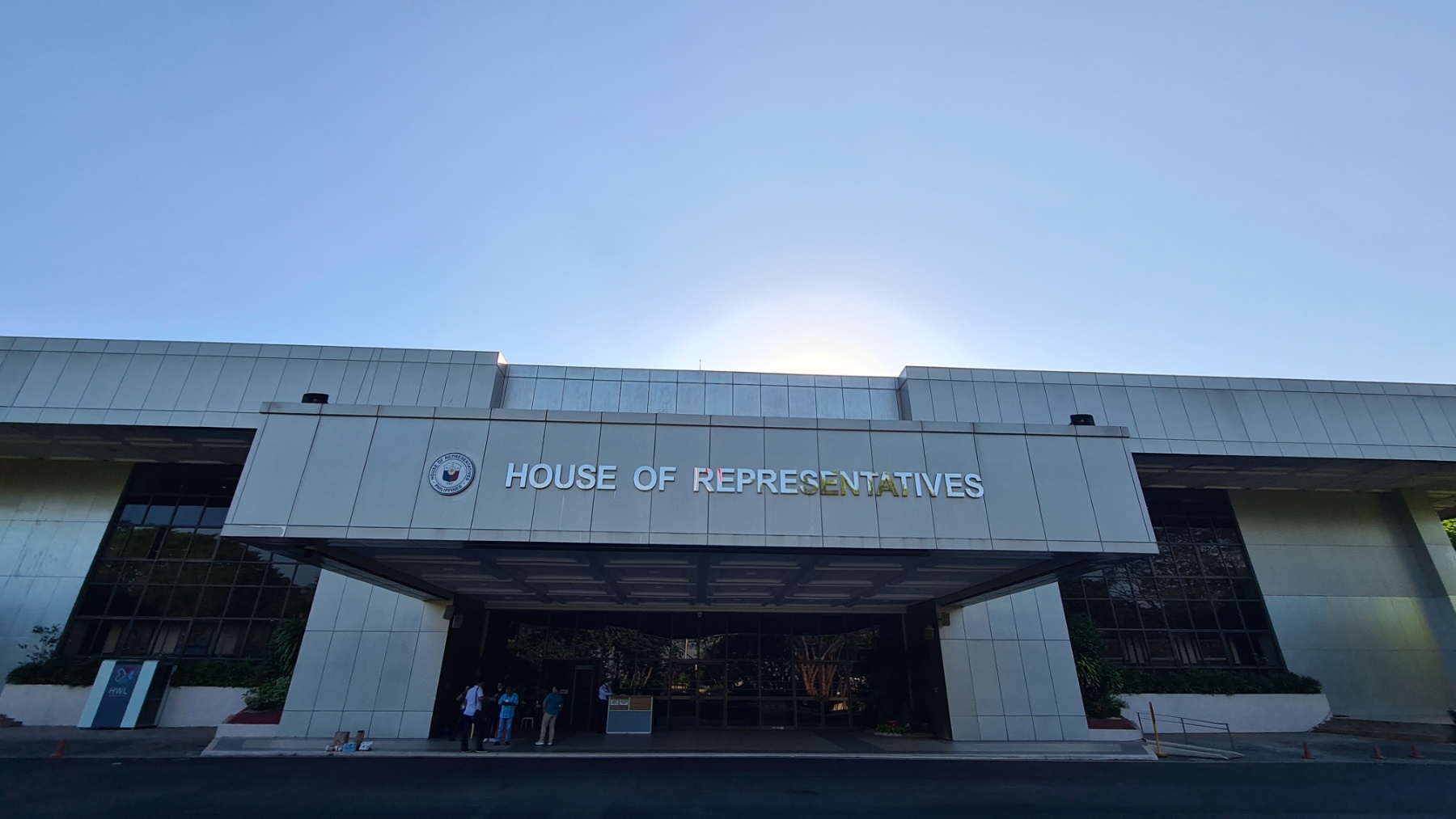 House of Representatives (Ellson Quismorio/ MANILA BULLETIN)
Ranking congressmen are calling for more objective and unbiased surveys, particularly on the topic of the Charter change (Cha-cha).
Deputy Speaker Quezon 2nd district Rep. David "Jay-jay" Suarez and Majority Leader Zamboanga City 2nd district Rep. Mannix Dalipe believe that surveys of less quality don't do the public any favors.
Case in point was Pulse Asia's latest survey on Filipinos' stance on the proposal to amend the 1987 Constitution. Based on the poll, the vast majority or 74 percent of Filipinos didn't want the 1987 Constitution amended as of now.
But Suarez and Dalipe on Saturday, March 30 raised serious doubts on the accuracy of the results, no thanks to the way the poll questions were worded.
"Surveys play a crucial role in gauging public opinion, but they must be conducted in a fair and unbiased manner. It is essential for survey firms to ensure that questions are clear, specific, and free from bias to obtain accurate results," Suarez said.
“Surveys should reflect the real concerns of the people, not push a particular agenda,” Dalipe said. He emphasized the need for surveys to accurately reflect ongoing legislative discussions.
It was only last March 20 when the House voted 288-8-2 (yes-no-abstain) to pass on third and final reading the proposed economic Cha-cha, as embodied in Resolution of Both Houses (RBH) No.7. As the phrase implies, the current Cha-cha effort is only concerned with easing the restrictive economic provisions of the 37-year-old Constitution.
Suarez specifically criticized Pulse Asia for including in the survey what it termed as proposed amendments, which do not align with those currently under discussion in Congress.
"The phrasing of the questions by Pulse Asia seemed crafted to steer respondents towards a specific viewpoint on Charter amendments," said the Deputy Speaker.
He said these include political issues such as changing the unitary system to a federal system of government, term extension for national and local elective officials, changing the presidential system to a parliamentary system of government, and shifting from a bicameral to a unicameral legislature.
For his part, Dalipe expressed disappointment with the survey’s perceived attempt to sway public opinion.
READ ON:
https://mb.com.ph/2024/3/30/black-propaganda-dalipe-slams-pulse-asia-survey-on-cha-cha
The Pulse Asia survey also contained a supoosedly biased question regarding "allowing foreign individuals and companies to exploit Philippine natural resources".
"The survey questions, particularly those addressing contentious issues such as term extension, foreign exploitation of natural resources, and a shift from a presidential to a parliamentary system of government, may have inadvertently skewed responses and fostered opposition to Cha-cha," Suarez noted.
"Biased survey questions can distort public perception and hinder meaningful dialogue on constitutional reform," he added.
Suarez also underscored the importance of accurately reflecting the content of proposed amendments in survey questions.
"The wording of survey questions should accurately reflect the actual provisions being proposed for amendment," he stated.