






 Philippines
National
'Jesus as the living sacrifice': Personal reflections on the significance of Holy Week
Philippines
National
'Jesus as the living sacrifice': Personal reflections on the significance of Holy Week
'Jesus as the living sacrifice': Personal reflections on the significance of Holy Week


Blood, stripes, and nail-pierced hands—these were what He had taken to pay the price. Life for life, death for debts.
In the Christian faith, a Savior named Jesus Christ is believed to be the "Son of God," seated on the throne but chosen to give up his glory for a crown of thorns, to save mankind.
According to the Bible, a book revered by Christians, it took seven days from Jesus' triumphant entry into Jerusalem to his crucifixion on a cross, crafted from various woods like cedar, cypress, and pine. During this time, Jesus endured a grueling journey known as the "Passion of the Cross," enduring countless beatings along the way.
These seven days, occurring over 2,000 years ago, when a man became a "living sacrifice," is commemorated worldwide through Christianity and is considered "holy."
In the Philippines, an archipelago colonized by the Spaniards who introduced Christianity, Holy Week holds deep religious significance.
To most Filipinos, Holy Week is when they remember how Jesus died on the cross for them.
Peñaranda Parish Priest Rev. Fr. Sedfrey J. Calderon said Holy Week is the most special among all the weeks of the year, as it is the focal point in the history of mankind.
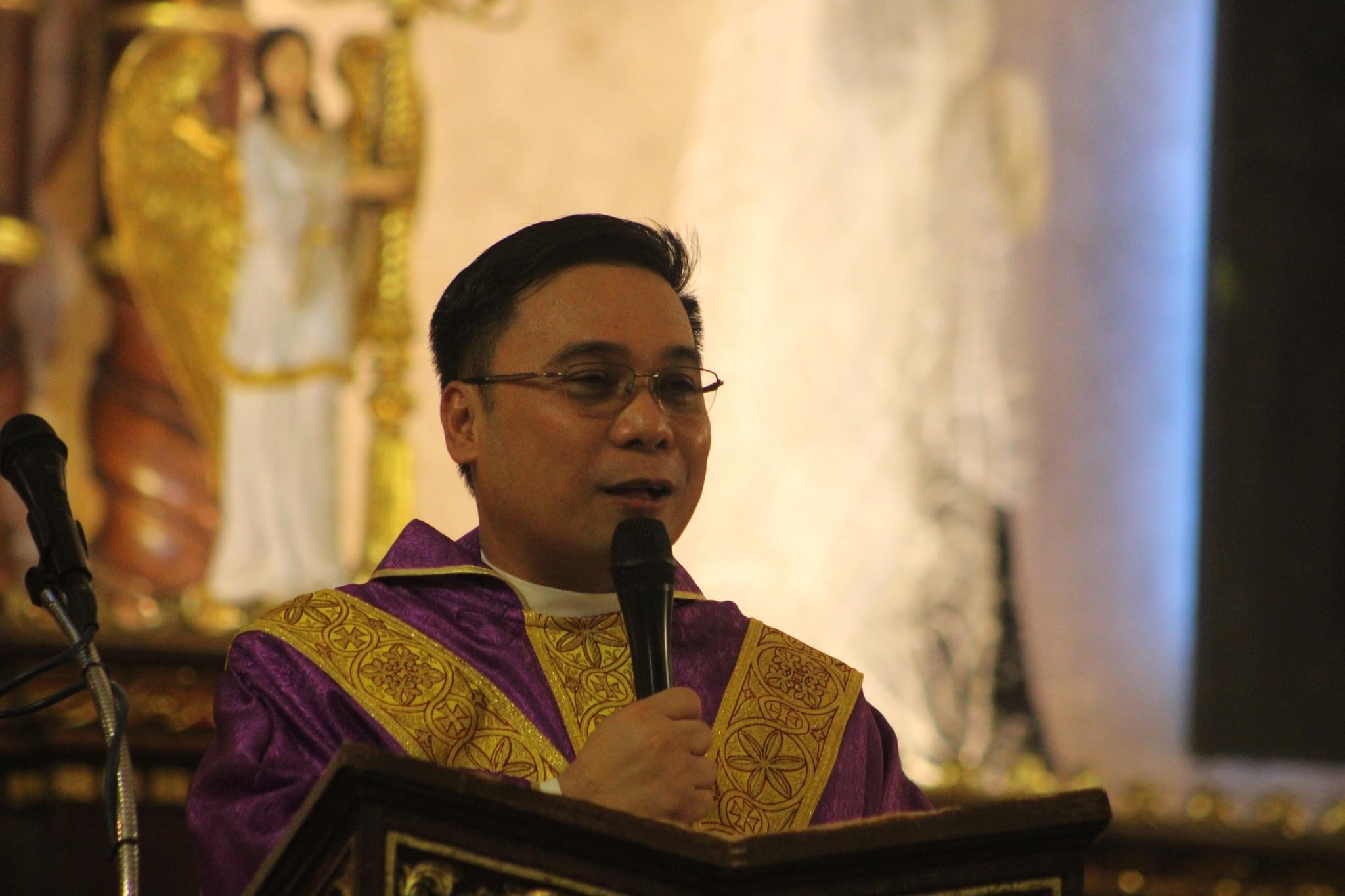
“Ito talaga ang apex ng salvation history, na tayo ay iniligtas ni Hesus sa ating mga kasalanan (This is the apex of the salvation history, that we have been saved by Jesus from our sins),” he said.
Calderon also shared a piece from his homily in Nueva Ecija, analyzing that in the Spanish language, Holy Week was called “Semana Santa,” however in the Filipino language, it is called “Mahal na Araw,” which for him, indicates “love” and “importance.”
“Mahal na Araw—mahal tayo ng Diyos, mahalaga tayo sa Diyos, the priceless blood of Christ ang siyang nagtubos sa atin mula sa kasalanan. Pangalawa, dito rin natin namalas iyong pagmamahal ng Lord because we are special to Him. (Holy Week, it symbolizes love and care—the priceless blood of Christ paid our sins. Secondly, we felt his love through it, because He makes us special in His eyes),” he added.
Meanwhile, Emerinciana Abello, 85, a rice cake vendor also in Peñaranda, Nueva Ecija, has been devoted to the Catholic faith since she was young.
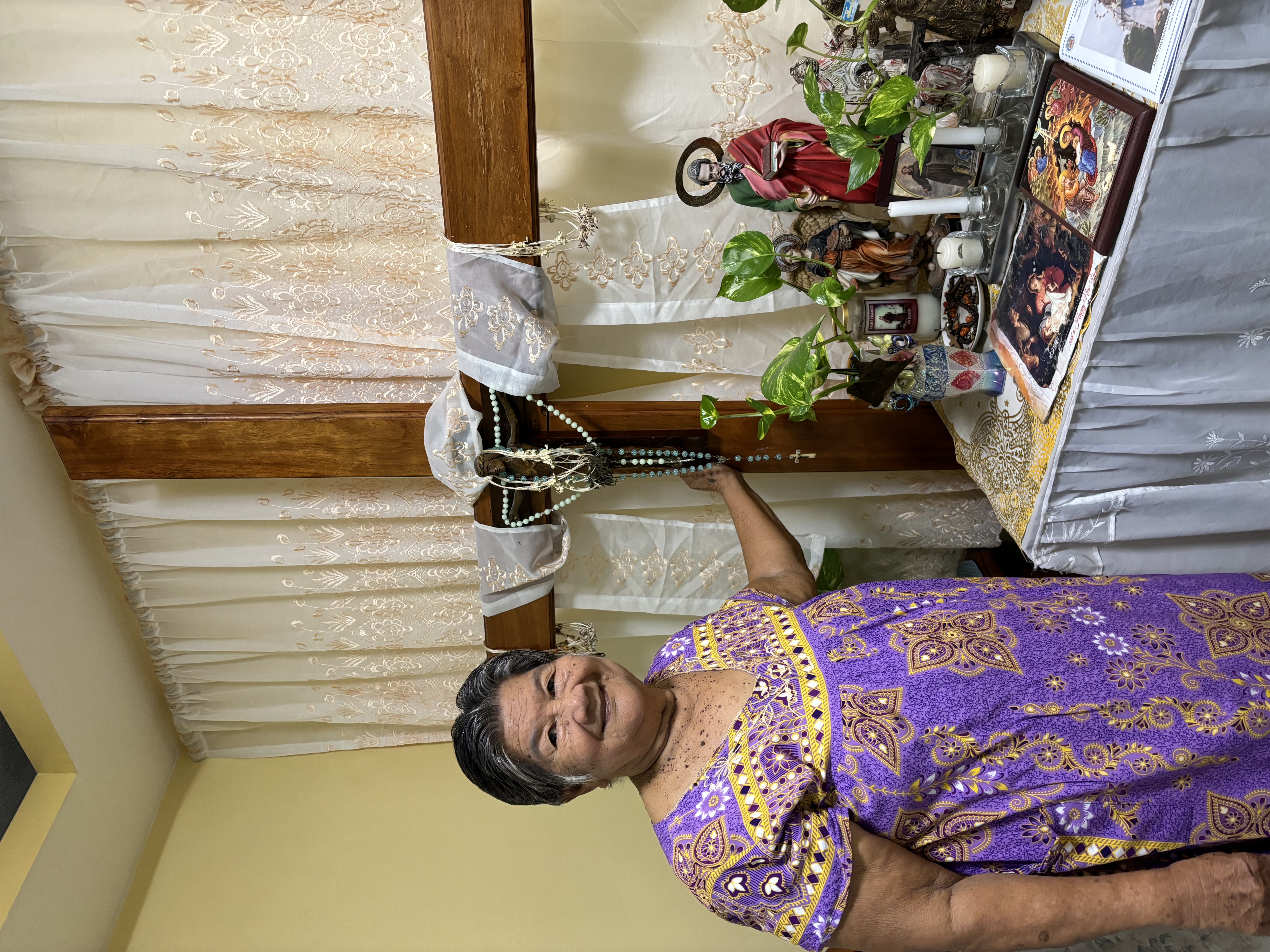
Abello said she wakes up every day at 2 in the morning to pray. She has not also let any Sunday pass by without going to church at 5 in the morning.
“Ang Holy Week para sa akin ay pag-gunita ng mga sakripisyo ni Hesus para sa ating kaligtasan, ang pagbubuwis Niya ng Kanyang buhay alang-alang sa atin. Masaya ako kapag Holy Week dahil naiisip ko ang grasya ng Diyos Ama at na buhay si Hesus (Holy Week for me is reminiscing the sacrifices of Jesus for our salvation, giving His own life for us. I am happy when Holy Week comes, as I’ve been reminded of God’s grace),” Abello said.
For Gabriel Batioco, 16, a Catholic church youth member, Holy Week is to remind people of how light and freeing the lives people have reaped through Jesus’ hardships.
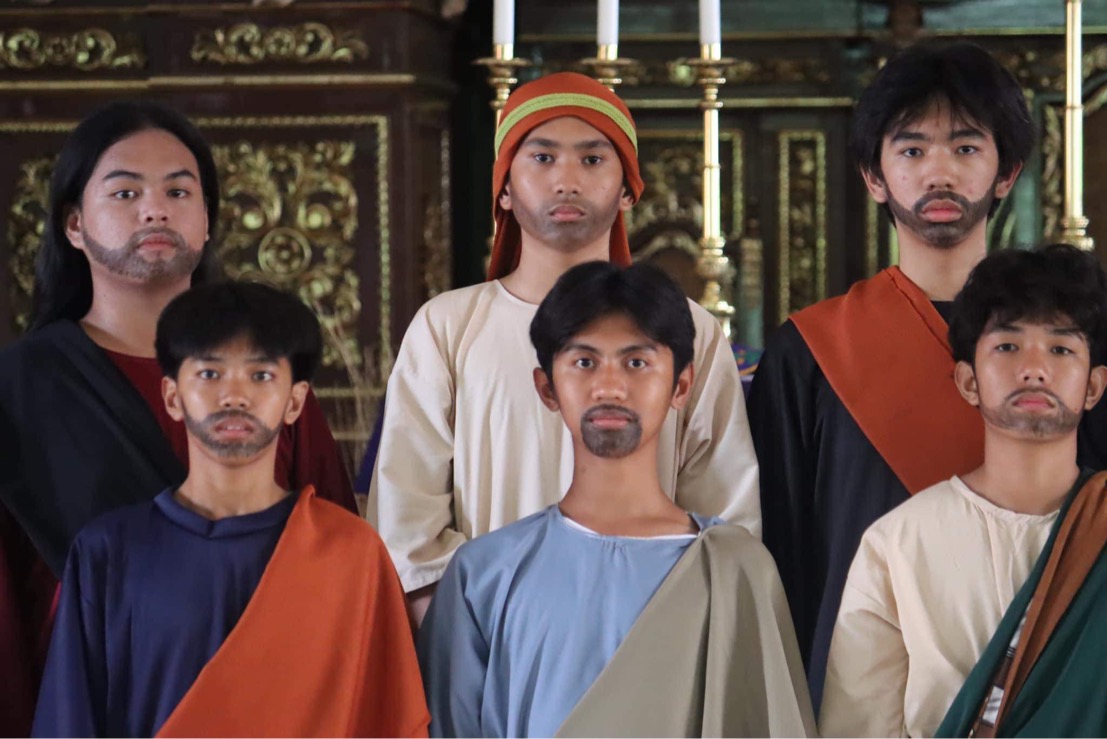
“Bilang isang kabataan ng simbahan, para sa akin, ang Holy Week ay ipinapaalala sa atin kung gaano kahirap ang ginawang pag sasakripisyo ni Hesus para sa atin, ito rin ang paraan para parati natin ma-realize kung gaano kagaan at kung gaano kalaking kalayaan ang ating natatamasa. Para mas lalo rin nating pagnilayan ang pagsasakripisyo na ginawa ni Hesus para tayo ay maligtas sa ating mga kasalanan. (As a member of youth in church, Holy Week reminds us how difficult the sacrifices of Jesus had been for us to realize the ease and freedom we have now, for us to reflect on what he has done in order for us to be saved),” he said.
Eleonor Medina, 57, a Filipino resident in Vancouver, Canada considered Holy Week as a sacred time for the Lord. When Medina’s husband was still alive, they were part of the group called “Couples for Christ.”

“Ito iyong time na talagang focused yung attention ko kay Christ. Kulang iyong taun-taon na pag-alala natin compared sa mga sacrifices Niya sa cross. Kumbaga para itong revival din, kung nabuhay si Christ ay muli rin tayong narerenew o parang cleansing sa mga kasalanan natin. Every year, we must strive to be better and to have a deeper and deeper relationship with Him (This is the time when I want to focus my attention on Christ. Just remembering His works still was not enough compared to the things He has done for us. This can also be a revival, it seems like we were renewed just as Christ was resurrected, and it could be a cleansing of our sins. Every year, we must strive to be better and to have a deeper and deeper relationship with Him),” Medina said.
Moreover, Keith Escover, 29, a public servant being the top councilor in her barangay in Alaminos, Laguna, said the Holy Week is a significant event, particularly in the Philippines, as the death and resurrection of Christ were commemorated.

“Kapag Holy Week talaga panata na ng aming pamilya ay mag Visita Iglesia, then time na rin para mag bonding, so nag a-outing (During Holy Week, we conduct Visita Iglesia, and this is also a time for my family to bond),” she said.
Moreover, Paulines Publishing House Associate Editor Sr. Rose Agtarap said Holy Week is a “victory of love and life,” as healing, forgiveness, and new life were made possible through Jesus.
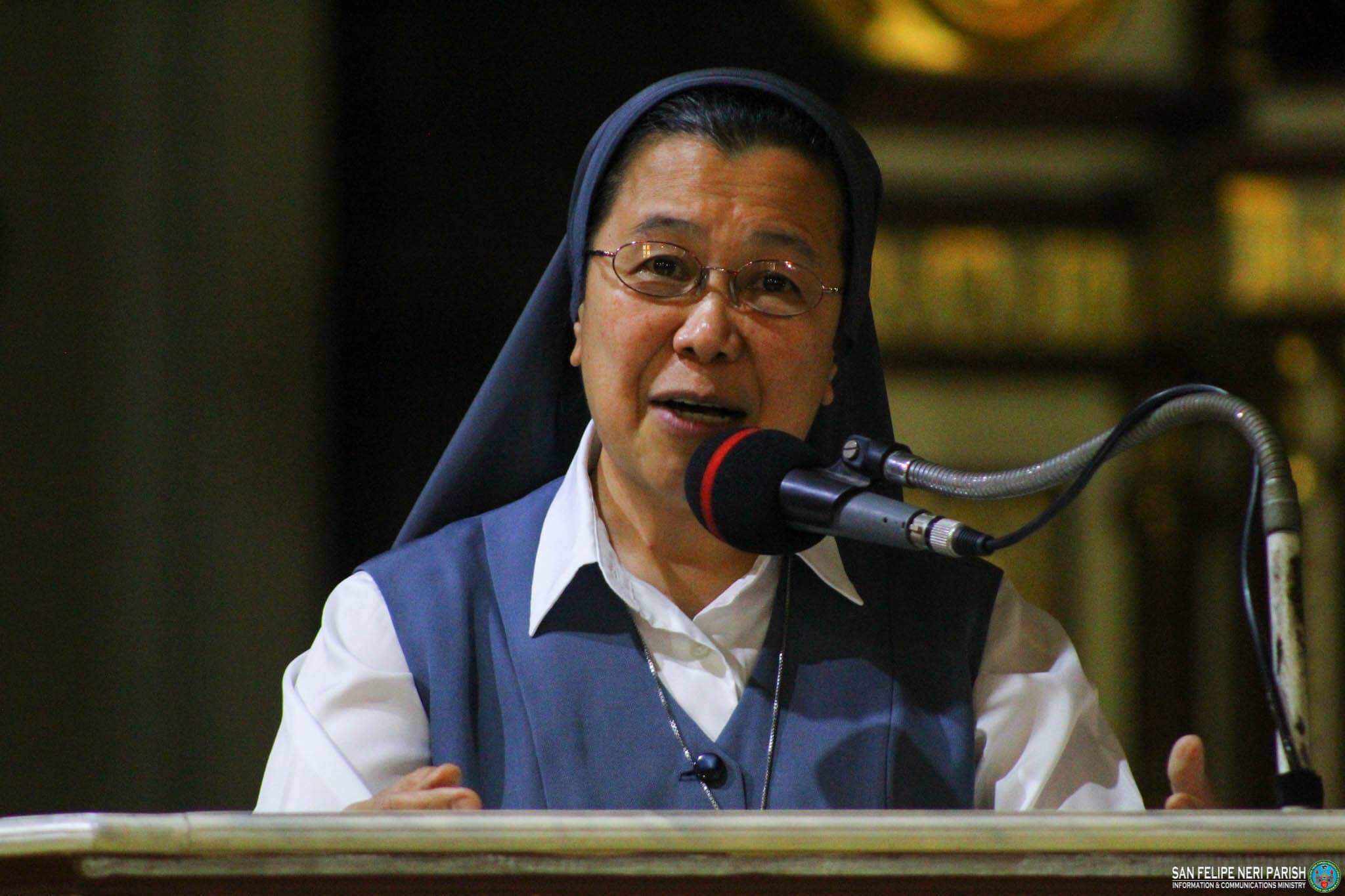
“Like Jesus, I too have gone through moments of triumph and deep friendship, of betrayal and abandonment, of pain and distress, of death and seeming oblivion. In Jesus who brings healing, forgiveness, and new life, sin is vanquished! Death is not the final word! Jesus is risen; Love and Life reign forever!,” she said.
Holy Week, for many, remained a sacred time of reflection, remembrance, and spiritual renewal—a period to honor the ultimate sacrifice of love made by Jesus Christ.
However, some feel disconnected from traditional religious practices due to personal experiences of discrimination
within the church community.
While acknowledging the significance of Holy Week as a symbol of sacrifices and penance, Cris Vilchez, 23, said the season is now merely a tradition.

Vilchez had been very active in church back then, as he also joined “alay-lakad,” a procession in appreciation of the story of Jesus.
While he still holds onto the faith in the superior being, his connections to the church community grew dim making the Holy Week a “normal” holiday for him.
Vilchez, an LGBTQIA+ member, said some people were unapologetically discriminatory—a “selfish” and “greedy” thing despite Jesus’ sacrifices.
“After too much pain I have endured in the catholic church when I came out of the closet, the tradition fades out," he shared.
For Vilchez, the Holy Week is just a "normal" holiday. "I am now in between the practice and not giving too much energy anymore," he said.
"I respect others for praying, but I know it’s just a tradition for them...they don’t practice what they preach,” he added.