

ADVERTISEMENT

5 trailblazing female authors to remember this Women's Month

It's time to read the works of these women

Published Mar 29, 2024 09:23 am

Based on a study conducted by American economist Joel Waldfogel, titled “The Welfare Effect of Gender-Inclusive Intellectual Property Creation: Evidence from Books,” female authors are now dominating the publishing industry. But before this historic feat for women, strong female writers had to break barriers first to help them get to where they are today.

This Women’s Month, we’re celebrating the accomplishments of these female literary trailblazers by remembering some of them and the challenges they went through to become the legendary authors they are today.
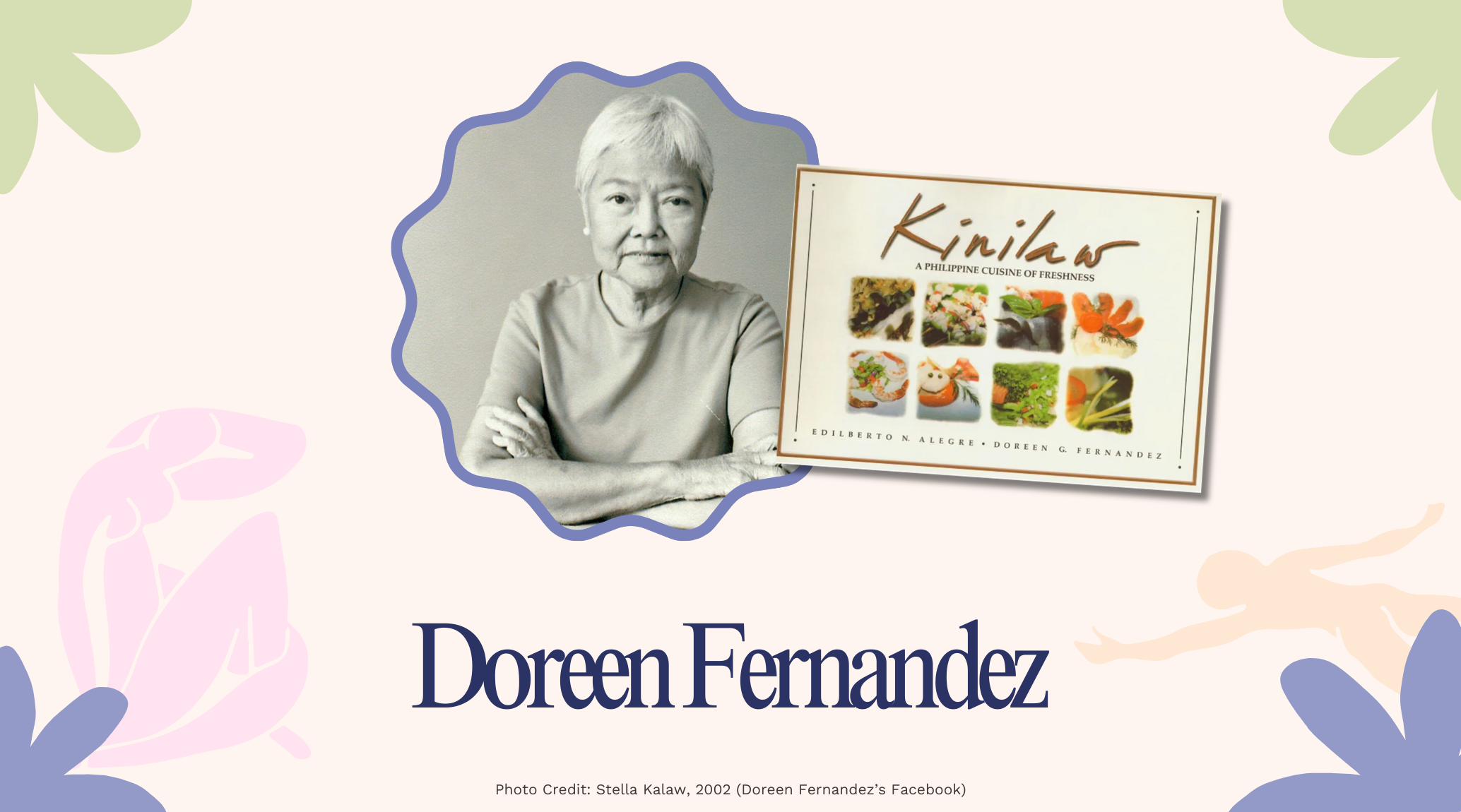
Doreen Fernandez.png

Doreen Fernandez

What’s a better way to start this list than honoring a Filipina author? Doreen Gamboa Fernandez, a Filipino academic, cultural historian, writer, teacher, and mentor, left a lasting impact that resonates today. She extensively wrote about food culture, exploring the nuances of Philippine cuisine through its people, places, feasts, tastes, textures, and flavors, which helped Filipino food be taken seriously in the Philippines and the world. She’s the most pivotal figure in Philippine gastronomy and “Filipino food’s greatest champion,” according to a New York Times article.

Full of zest and energy, Fernandez authored books such as “SarapEssays on Philippine Food,” “Lasa: a Guide to 100 Restaurants,” and “Tikim: Essays on Philippine Food Culture.” She also mentored students through her work as a professor and chair at the Ateneo de Manila University. 

Fernandez passed away in 2002, yet her legacy lives on through her books, essays, and a food writing competition named after her.  

Murasaki Shikibu.png

Murasaki Shikibu

Murasaki Shikibu was the woman behind the world’s first novel —“The Tale of Genji,” which was written more than a thousand years ago. Murasaki was a lady-in-waiting at the court of Empress Fujiwara during the Heian period (c. 978 – c. 1014). Also known as Lady Murasaki, the author’s real name remains unknown. 

“The Tale of Genji” follows the life and romantic adventures of nobleman Hikaru Genji, often referred to as the “Shining Prince.” Richly woven with intricate details of court life, relationships, and societal customs of the time, Genji’s story unfolds against the background of the imperial court of Kyoto. 
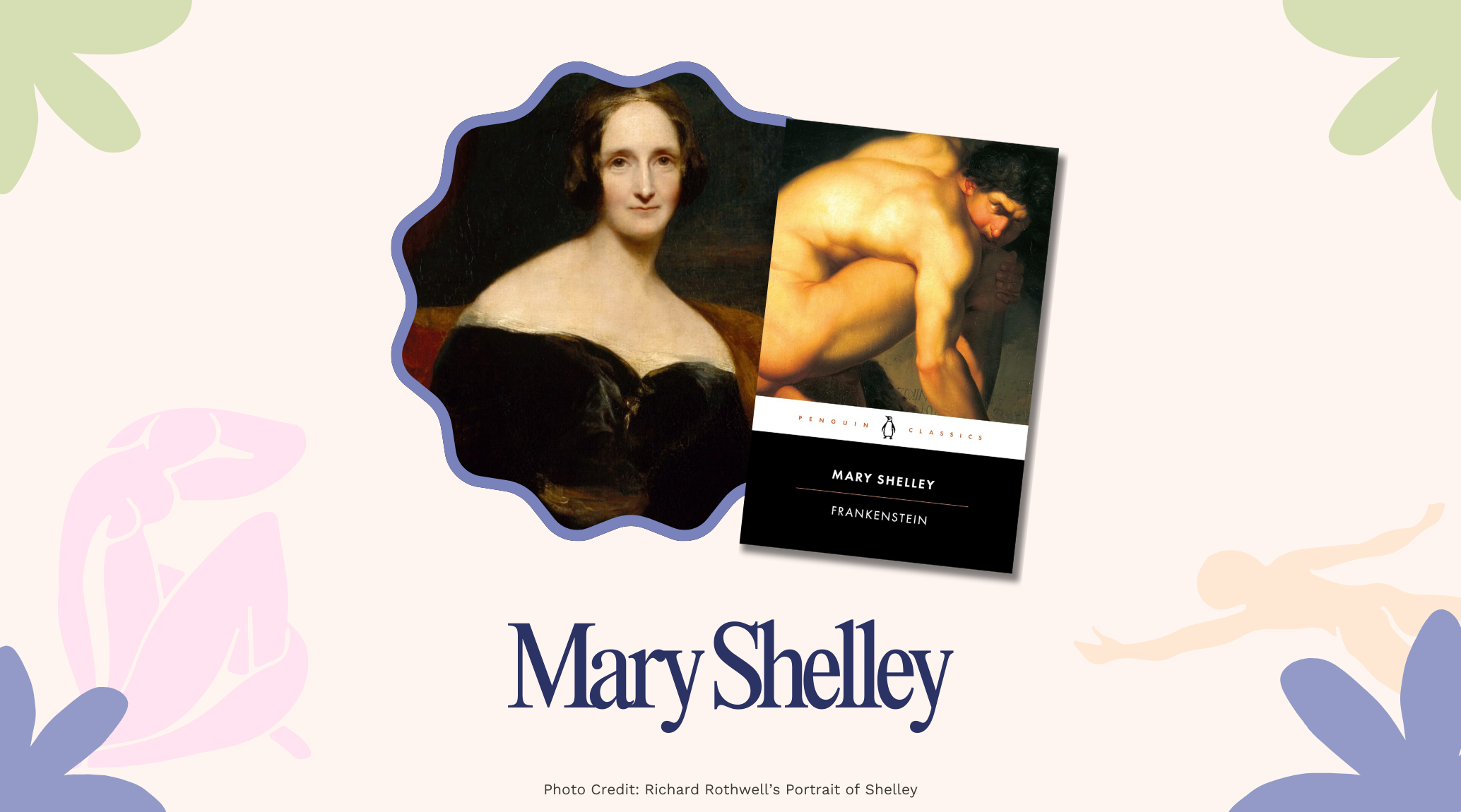
Mary Shelley.png

Mary Shelley

At a time when the world expected women to stay home and sew clothes, one brilliant and imaginative writer was sewing body parts in her mind instead.

Written in 1816, Shelley’s masterpiece “Frankenstein” was born. This work is regarded as the world’s first science fiction novel. More than two hundred years later, “Frankenstein” continues to be dissected by literature students worldwide and has spawned countless retellings, films, and TV adaptations, with Shelley becoming widely known as the founding mother of science fiction.
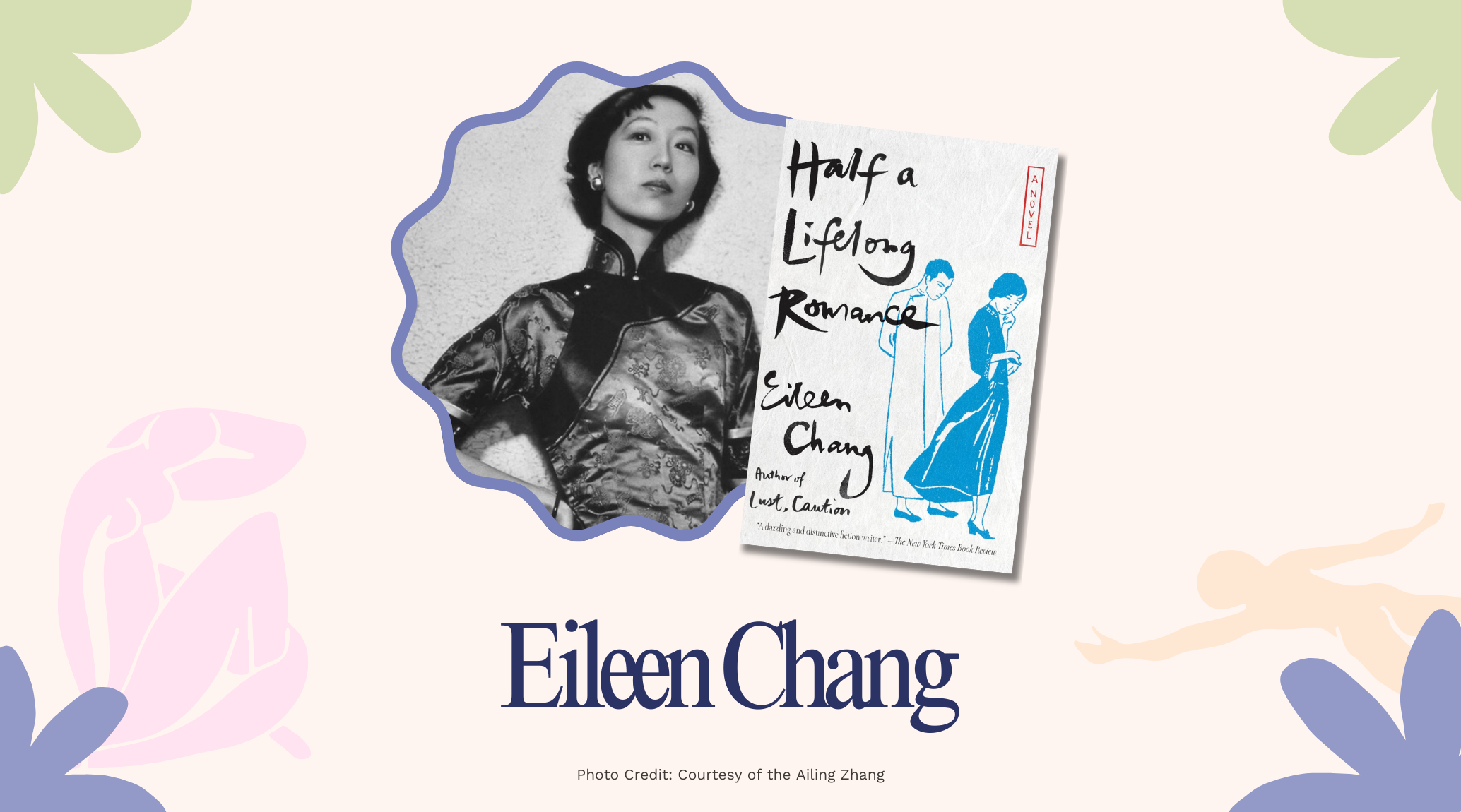
EileenChang.png

Eileen Chang

Eileen Chang was born in Shanghai in the 1920s, the daughter of violent extremes– her mom was an aristocratic woman, and her dad had an opium addiction and was a womanizer.  

Using vivid prose and delighting in colors, textures, smells, sights, and sounds, Chang wrote about the tensions between men and women in love, set in cosmopolitan Shanghai and Hong Kong. Her short story “Lust,” “Caution,” was adapted for the screen by Ang Lee. The film adaptation subsequently won a Golden Lion Award at the Venice Film Festival. She was also a screenplay writer, a translator, and a fashion icon. To this day, Eileen is considered the most respected author of modernist Chinese literature.
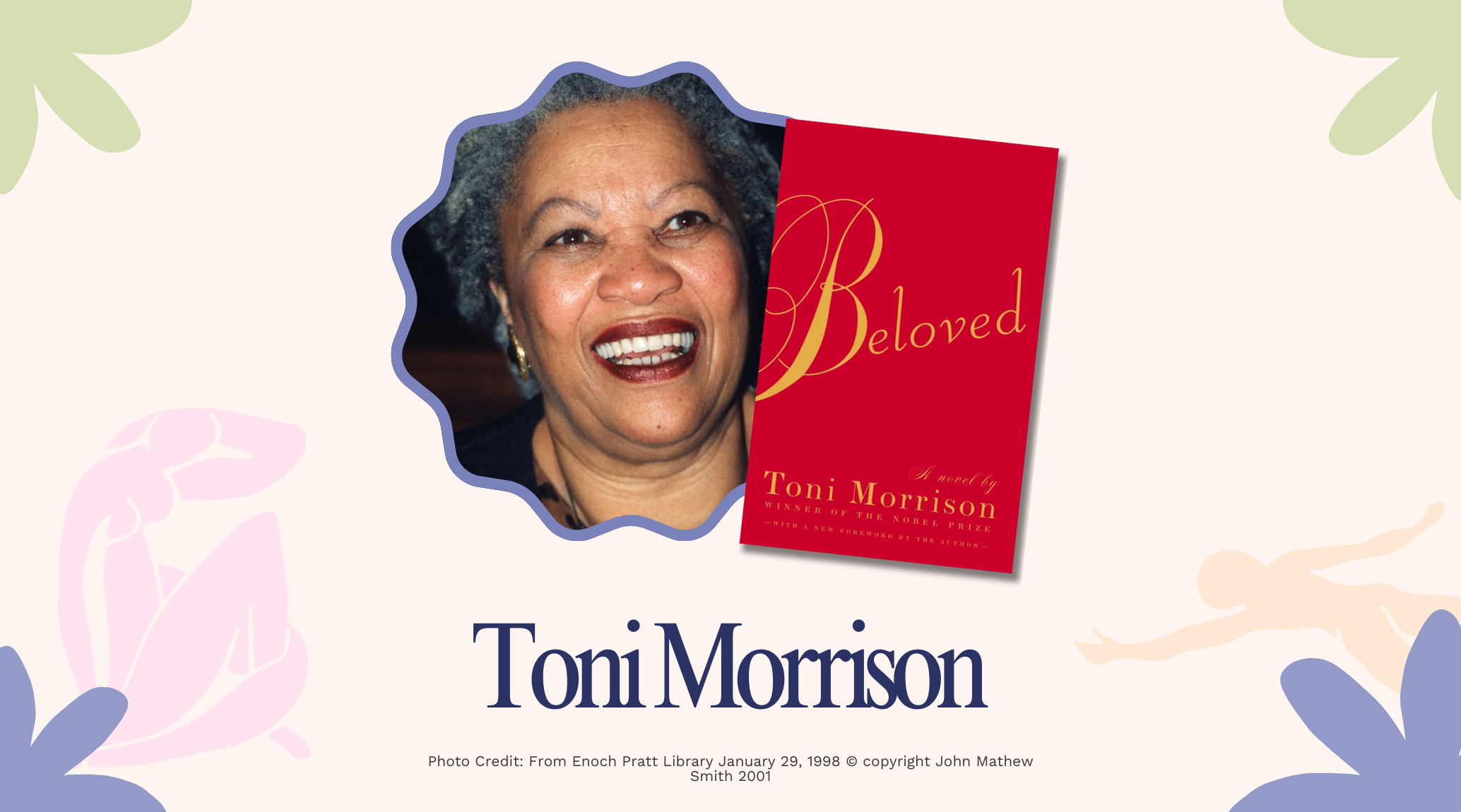
Toni Morrison.png

Toni Morrison

In 2019, the world mourned the death of iconic author Toni Morrison. The first African-American woman to win a Nobel Prize in Literature, Morrison wrote influential novels that shed light on the African-American experience, exploring their struggles, race, trauma, identity, and history. Among her greatest works are “The Bluest Eye,” “Song of Solomon,” “Sula,” and her greatest masterpiece, “Beloved,” for which she won the Pulitzer Prize for Fiction in 1988.

Not only did Morrison break the glass ceiling in literature, paving the way for a generation of writers to follow in her footsteps, but she also broke racial barriers as the first female African-American book editor for Random House, New York, helping other black authors elevate their voices in the literary scene.

Related Tags

books MB Lifestyle Online international womens month
ADVERTISEMENT
.most-popular .layout-ratio{ padding-bottom: 79.13%; } @media (min-width: 768px) and (max-width: 1024px) { .widget-title { font-size: 15px !important; } }

{{ articles_filter_1561_widget.title }}

.most-popular .layout-ratio{ padding-bottom: 79.13%; } @media (min-width: 768px) and (max-width: 1024px) { .widget-title { font-size: 15px !important; } }

{{ articles_filter_1562_widget.title }}

.most-popular .layout-ratio{ padding-bottom: 79.13%; } @media (min-width: 768px) and (max-width: 1024px) { .widget-title { font-size: 15px !important; } }

{{ articles_filter_1563_widget.title }}

{{ articles_filter_1564_widget.title }}

.mb-article-details { position: relative; } .mb-article-details .article-body-preview, .mb-article-details .article-body-summary{ font-size: 17px; line-height: 30px; font-family: "Libre Caslon Text", serif; color: #000; } .mb-article-details .article-body-preview iframe , .mb-article-details .article-body-summary iframe{ width: 100%; margin: auto; } .read-more-background { background: linear-gradient(180deg, color(display-p3 1.000 1.000 1.000 / 0) 13.75%, color(display-p3 1.000 1.000 1.000 / 0.8) 30.79%, color(display-p3 1.000 1.000 1.000) 72.5%); position: absolute; height: 200px; width: 100%; bottom: 0; display: flex; justify-content: center; align-items: center; padding: 0; } .read-more-background a{ color: #000; } .read-more-btn { padding: 17px 45px; font-family: Inter; font-weight: 700; font-size: 18px; line-height: 16px; text-align: center; vertical-align: middle; border: 1px solid black; background-color: white; } .hidden { display: none; }
function initializeAllSwipers() { // Get all hidden inputs with cms_article_id document.querySelectorAll('[id^="cms_article_id_"]').forEach(function (input) { const cmsArticleId = input.value; const articleSelector = '#article-' + cmsArticleId + ' .body_images'; const swiperElement = document.querySelector(articleSelector); if (swiperElement && !swiperElement.classList.contains('swiper-initialized')) { new Swiper(articleSelector, { loop: true, pagination: false, navigation: { nextEl: '#article-' + cmsArticleId + ' .swiper-button-next', prevEl: '#article-' + cmsArticleId + ' .swiper-button-prev', }, }); } }); } setTimeout(initializeAllSwipers, 3000); const intersectionObserver = new IntersectionObserver( (entries) => { entries.forEach((entry) => { if (entry.isIntersecting) { const newUrl = entry.target.getAttribute("data-url"); if (newUrl) { history.pushState(null, null, newUrl); let article = entry.target; // Extract metadata const author = article.querySelector('.author-section').textContent.replace('By', '').trim(); const section = article.querySelector('.section-info ').textContent.replace(' ', ' '); const title = article.querySelector('.article-title h1').textContent; // Parse URL for Chartbeat path format const parsedUrl = new URL(newUrl, window.location.origin); const cleanUrl = parsedUrl.host + parsedUrl.pathname; // Update Chartbeat configuration if (typeof window._sf_async_config !== 'undefined') { window._sf_async_config.path = cleanUrl; window._sf_async_config.sections = section; window._sf_async_config.authors = author; } // Track virtual page view with Chartbeat if (typeof pSUPERFLY !== 'undefined' && typeof pSUPERFLY.virtualPage === 'function') { try { pSUPERFLY.virtualPage({ path: cleanUrl, title: title, sections: section, authors: author }); } catch (error) { console.error('ping error', error); } } // Optional: Update document title if (title && title !== document.title) { document.title = title; } } } }); }, { threshold: 0.1 } ); function showArticleBody(button) { const article = button.closest("article"); const summary = article.querySelector(".article-body-summary"); const body = article.querySelector(".article-body-preview"); const readMoreSection = article.querySelector(".read-more-background"); // Hide summary and read-more section summary.style.display = "none"; readMoreSection.style.display = "none"; // Show the full article body body.classList.remove("hidden"); } document.addEventListener("DOMContentLoaded", () => { let loadCount = 0; // Track how many times articles are loaded const offset = [1, 2, 3, 4, 5, 6, 7, 8, 9, 10]; // Offset values const currentUrl = window.location.pathname.substring(1); let isLoading = false; // Prevent multiple calls if (!currentUrl) { console.log("Current URL is invalid."); return; } const sentinel = document.getElementById("load-more-sentinel"); if (!sentinel) { console.log("Sentinel element not found."); return; } function isSentinelVisible() { const rect = sentinel.getBoundingClientRect(); return ( rect.top < window.innerHeight && rect.bottom >= 0 ); } function onScroll() { if (isLoading) return; if (isSentinelVisible()) { if (loadCount >= offset.length) { console.log("Maximum load attempts reached."); window.removeEventListener("scroll", onScroll); return; } isLoading = true; const currentOffset = offset[loadCount]; window.loadMoreItems().then(() => { let article = document.querySelector('#widget_1690 > div:nth-last-of-type(2) article'); intersectionObserver.observe(article) loadCount++; }).catch(error => { console.error("Error loading more items:", error); }).finally(() => { isLoading = false; }); } } window.addEventListener("scroll", onScroll); });

Sign up by email to receive news.