







DFA chief signs P92.7-B Japanese ODA for road, subway project
By Raymund Antonio and Raymund Antonio


Department of Foreign Affairs (DFA) Secretary Enrique Manalo has signed the diplomatic notes for Japan’s official development assistance (ODA) worth P92.701 billion (JPY250 billion) for road and subway projects aimed at modernizing the country’s infrastructure.
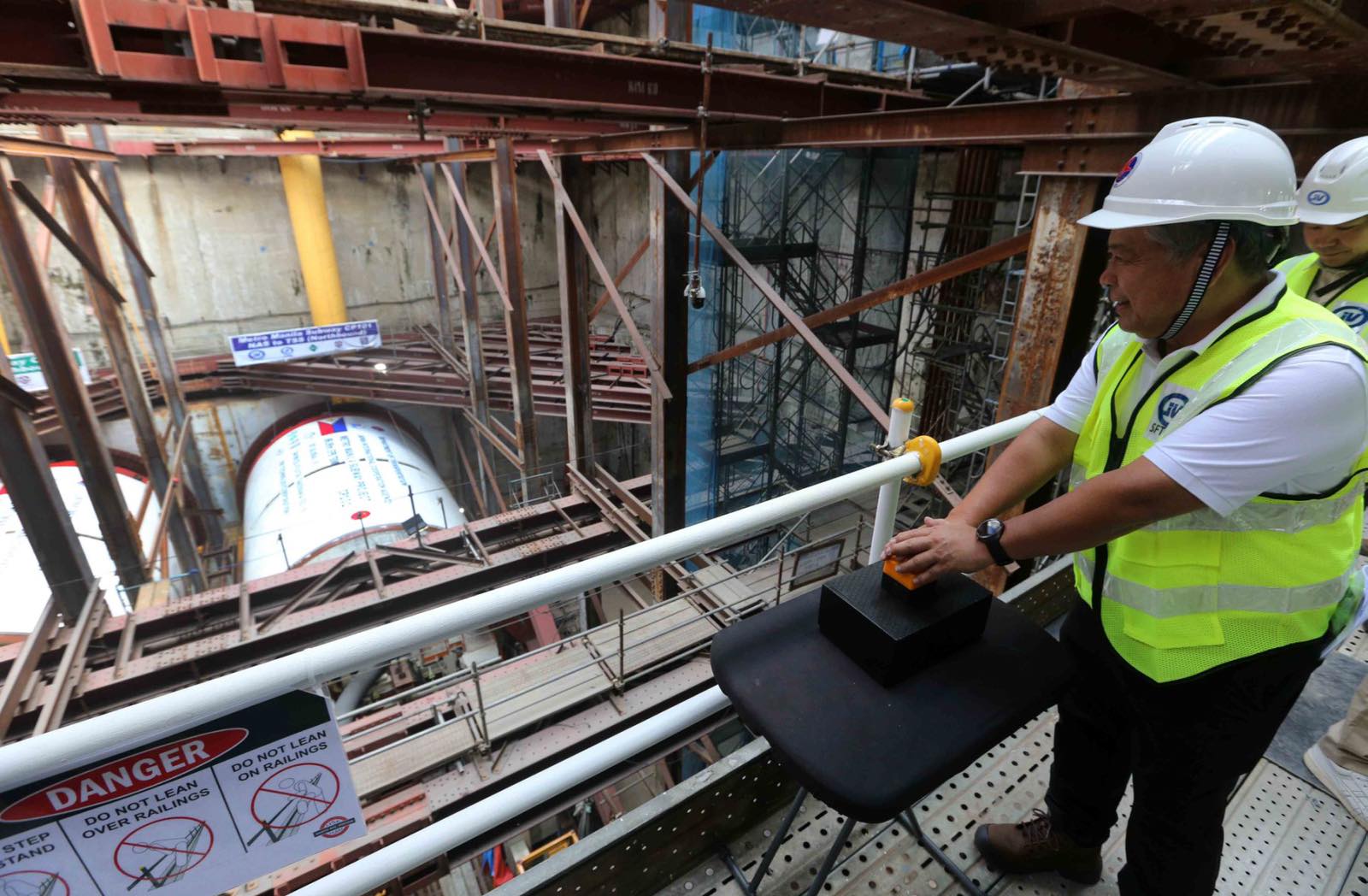
Department of Transportation (DOTr) Secretary Jaime Bautista inspects on Thursday, March 7, 2024, the current status of the Metro Manila Subway Project CP101 North Avenue Station which is scheduled to begin excavation this month using a Tunnel Boring Machine (TBM). (Mark Balmores / MANILA BULLETIN)
In a post on X (formerly Twitter), the official said that the loan will be used for the “Dalton Pass East Alignment Road Project to enhance the connectivity of Regions I & II to the NCR (National Capital Region), and for the third tranche of the Metro Manila Subway Project (Phase I).”
He also noted Japan being a “strong supporter” of the “Build Better More (BBM)” projects, the infrastructure development program of the Marcos administration that seeks to expand the previous administration’s “Build, Build, Build” program.
“Japan, a Strategic Partner of the Philippines, has been a strong supporter of our infrastructure development and the Build Better More projects (Philippines and Japan flag emojis),” Manalo wrote.
The Dalton Pass East Alignment Road Project will improve connectivity between Cagayan Valley and the Cordillera Autonomous Region (CAR) through a 23-kilometer alternative road that will bypass the already existing Dalton Pass.
It seeks to provide an alternative route between San Jose, Nueva Ecija to Aritao, Nueva Vizcaya.
The Japan International Cooperation Agency (JICA) earlier did a study that found traffic volume in the current Dalton Pass—or Balete Pass—to have already reached capacity in 2019.
The Metro Manila Subway Project (Phase I), on the other hand, is a 25.3-kilometer subway connecting the north and south of Manila—from Mindanao Avenue, Quezon City to Food Terminal Inc. and the Ninoy Aquino International Airport (NAIA).
Once open, it will be the country’s first-ever mass underground transport system.
Japan has been the top source of the Philippines’ ODA for seven straight years before the Asian Development Bank (ADB) surpassed it last year.
In 2022, ODAs from Japan reached $9.96 billion.