






 Philippines
National
Arrival of La Niña may increase chances of more tropical cyclones — DOST
Philippines
National
Arrival of La Niña may increase chances of more tropical cyclones — DOST
Arrival of La Niña may increase chances of more tropical cyclones — DOST
Increased probability of La Niña observed


The Department of Science and Technology (DOST) said on Tuesday, March 26, that the arrival of La Niña might increase the chance of more tropical cyclones later this year.
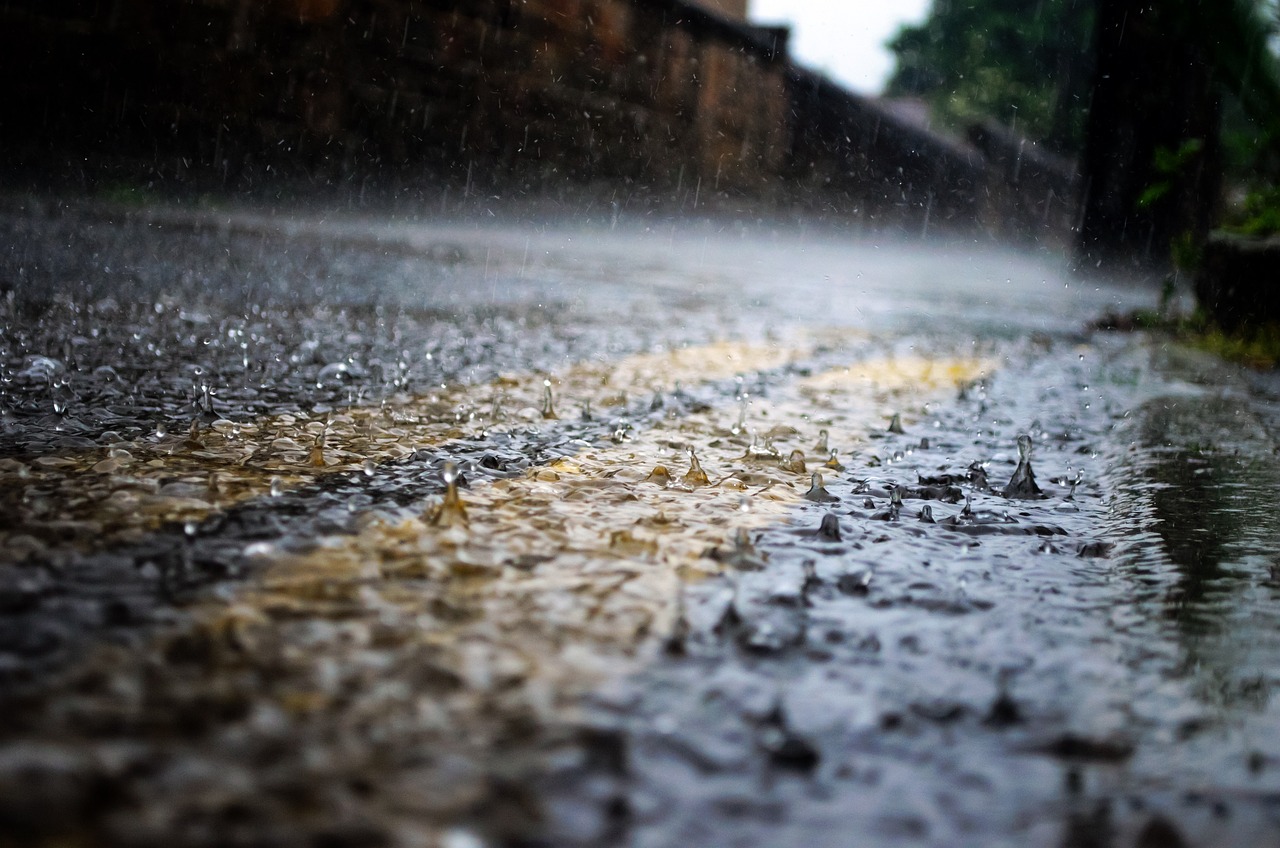
In a Palace briefing, the department said while the total number of typhoons this year is predicted to be below the average of 13 to 16 compared to the usual 19 to 20 typhoons, the later arrival of La Niña could still bring several storms in the last quarter.
"So that is why there is a possibility that during the last quarter of this year, it is possible that we will have quite a few typhoons. So our preparation time is little since the chances of developing a typhoon during La Nina are closer to our land," it said.
"So for now, we need to keep on monitoring all ongoing effects of El Niña. We still can't see what are the possible areas (to be affected)," DOST added.
DOST Secretary Renato U. Solidum Jr. said there was an increasing chance for La Niña of 62 percent to occur in the following months.
However, he clarified that the 62 percent this June is only the "probability" that La Niña will be happening in the next six months, and the effects of this might not be seen by the said month.
"In the coming season, there is a 62 percent chance of La Niña developing by June or August this year, and that percentage increases as we move to the latter half of the year," Solidum said.
Historically, however, DOST said the ones in the eastern section of the country, especially eastern Luzon and Visayas, as well as Northeastern Mindanao, are "more vulnerable" during La Niña.
Solidum explained that the warming ocean temperatures closer to the country could contribute to these effects.
While El Niño is weakening, La Niña's arrival could combine to create dynamic weather patterns.
"There will be quite a lot of rain during the possible arrival of La Niña. And this is it, the winds are pretty strong when it's a bit during the southwest monsoon or southwest monsoon. So, strong typhoons are also possible in terms of strong winds," it said.
Hence, DOST stressed the importance of disaster preparedness at all levels — local government units (LGUs), families, and individuals.
Solidum said that the lack of rain causes weakness in the water supply, which can result in leaks in pipes.
"If water from the outside enters the water supply, it can cause water-related diseases," he said.
By that, he pointed out that the Department of Health (DOH) is preparing for any potential water-related diseases.
In addition, the department underscored its improved modified national disaster response plan at the first council meeting.
"The issue now is people should really make sure that they're always ready," Solidum said. "So LGU level and individual and family level preparedness is important when it comes to times like this," he added.