






 Philippines
National
DOST strengthens Philippines' AI industry with gender-inclusive policies
Philippines
National
DOST strengthens Philippines' AI industry with gender-inclusive policies
DOST strengthens Philippines' AI industry with gender-inclusive policies


The Department of Science and Technology (DOST) on Monday, March 25, shared the Philippine government's efforts to overcome the gender digital divide and ensure that women gain access to transformative technologies.

DOST-Advanced Science and Technology Institute (ASTI) Director Franz de Leon, in a statement, said the country is "leveraging technology" to promote gender equality during the interactive for the 68th session of the Commission on the Status of Women at the United Nations (UN) in New York City.
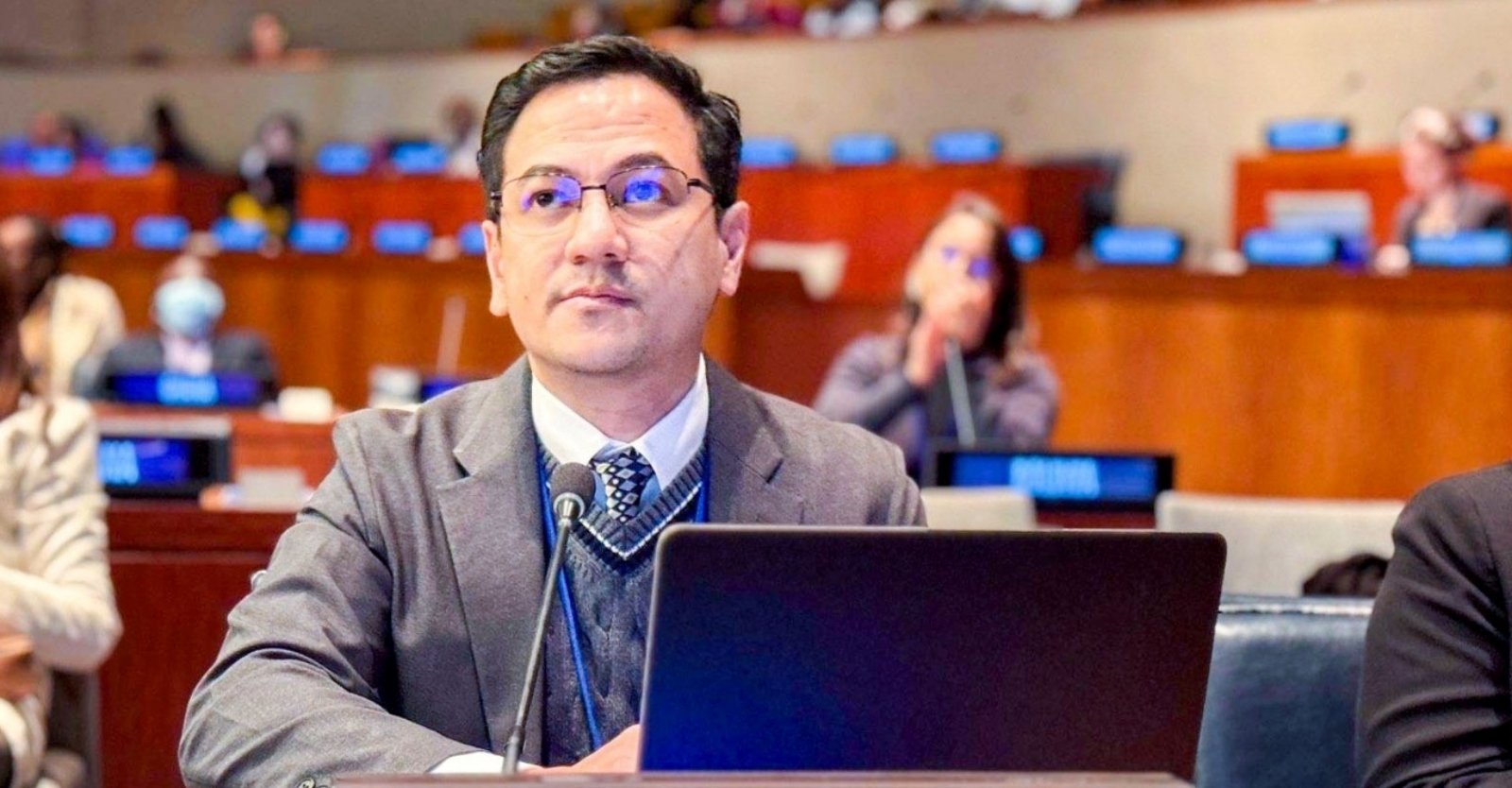
"While significant challenges exist, AI presents numerous opportunities for advancing gender equality when developed and deployed thoughtfully, ethically, and inclusively," he said during the event on March 22.
De Leon pointed out how the country trains women in AI, data science, analytics, and related fields through online learning.
"Also, the government has also undertaken initiatives to refine the National Artificial Intelligence Roadmap to ensure that gender is mainstreamed' AI policies," he added.
The director also mentioned there are measures taken to safeguard women and girls from the potential harms of AI.
He noted that the government has implemented several laws related to gender, such as the Magna Carta of Women, Anti-Violence against Women and Children Act, Safe Spaces Act, Anti-Online Sexual Abuse or Exploitation of Children Act, and Anti-Child Sexual Abuse or Exploitation Materials Act.
On the other hand, Philippine Ambassador and Permanent Representative to the United Nations Antonio Lagdameo expressed the shared responsibility to eliminate poverty for women and girls and address the barriers that hinder their progress.
The ambassador said the challenges women and girls face today are "unprecedented in scale and complexity," wherein the fundamental right to a life of safety, dignity, and prosperity is the most important right that still needs to be fulfilled.