

ADVERTISEMENT

Solon bats for climate-resilient rice varieties amid El Niño

Published Mar 24, 2024 06:09 am

At A Glance

  • Agri Party-list Rep. Wilbert T. Lee has called on the Department of Agriculture (DA) to invest in the development of climate-resilient varieties of major crops as a way to cushion the impact of the El Niño phenomenon.
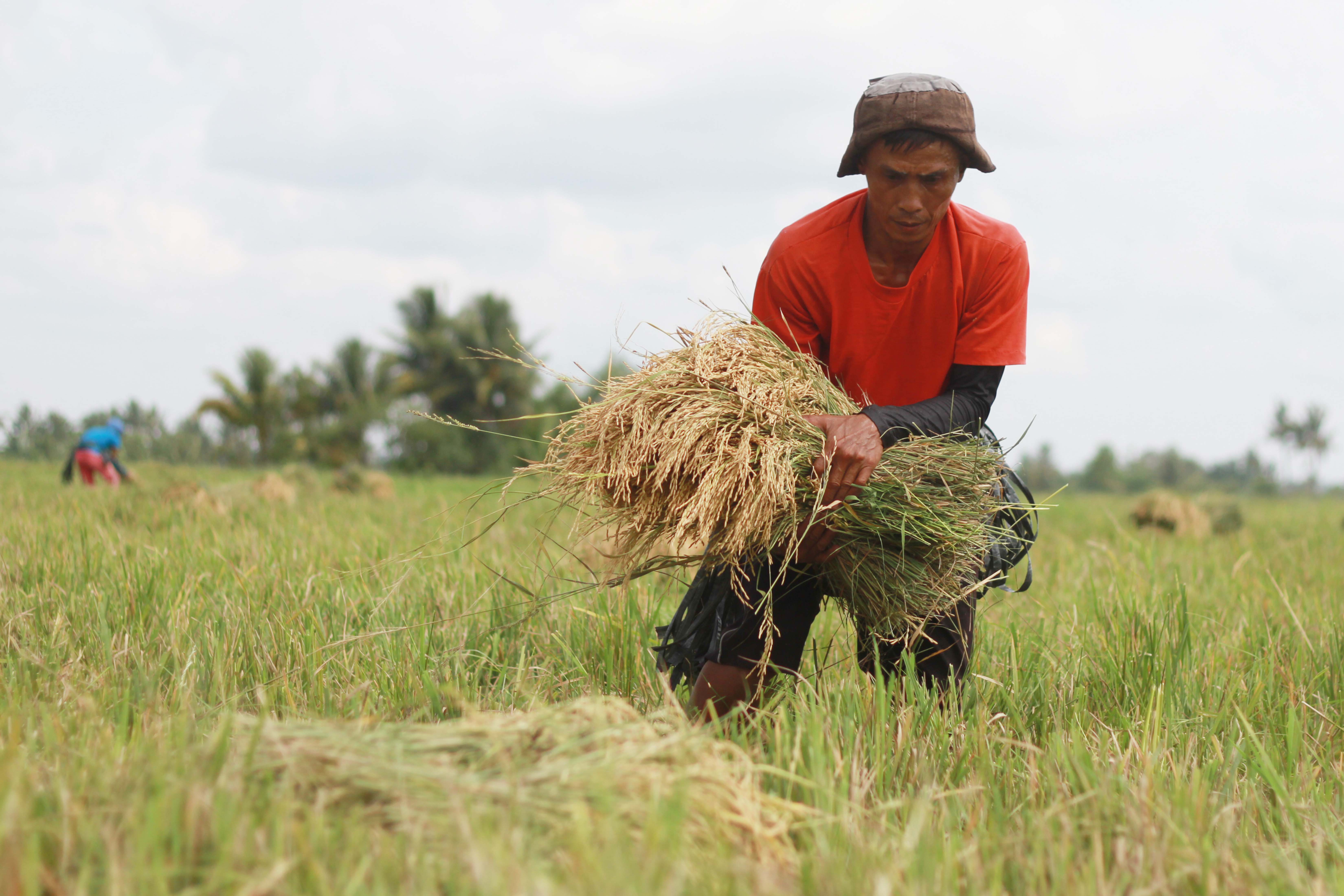
Safeguard duty on rice, corn sought(MANILA BULLETIN)

Agri Party-list Rep. Wilbert T. Lee has called on the Department of Agriculture (DA) to invest in the development of climate-resilient varieties of major crops as a way to cushion the impact of the El Niño phenomenon.

"Panahon na upang pagtuunan natin ng pansin ang pagdevelop ng climate-resilient na palay at mais para maibsan ang epekto ng El Niño sa hinaharap," Lee said in a statement.

(It is time for us to focus on developing climate-resilient rice and corn to mitigate the impact of El Niño in the future.)

According to Lee, the International Rice Research Institute (IRRI) has already started work on rice varieties that can survive extreme climate conditions such as the intense heat brought by El Niño.

“We just need to adopt and build on this technology in order for our farmers to benefit from it," he added.

The IRRI has recently developed drought-tolerant varieties that were released in several countries. These include the Sahbhagi Dhan in India, the Sahod Ulan in the Philippines, and the Sookha Dhan varieties in Nepal.

Lee says that the United States Department of Agriculture (USDA) is also developing drought-tolerant (DT) corn varieties.

“I suggest we propose a knowledge exchange of sorts para mapakinabangan nila ang pag-aaral natin sa palay at makuha naman natin ang teknolohiya nila sa mais (so that they can benefit from our studies on rice and we can learn their corn technology)," the lawmaker said.

"We need to utilize and maximize all available agricultural technologies so as to make our farmers—our food security soldiers—more resilient to climate change,” he noted.

The DA recently announced that the agricultural damage caused by the intensifying El Niño has already reached P1.75 billion, affecting eight regions in the country.

More than 32,000 hectares of farmlands were damaged by the severe heat, with almost 30,000 farmers displaced as a result.

"Kapag hindi na apektado ang ating mga magsasaka sa pagbabago ng klima, tataas ang produksyon at kita nila, at bawas pangamba naman sa ibang mga pangangailangan tulad ng gastos sa pagkakasakit o pagpapa-ospital,” Lee said.

(When our farmers are no longer affected by climate change, their production and income will increase, and they will have less concern with other needs such as the cost of illness or hospitalization.)

Related Tags

wilbert lee El Niño phenomenon climate-resilient Agriculture
ADVERTISEMENT
.most-popular .layout-ratio{ padding-bottom: 79.13%; } @media (min-width: 768px) and (max-width: 1024px) { .widget-title { font-size: 15px !important; } }

{{ articles_filter_1561_widget.title }}

.most-popular .layout-ratio{ padding-bottom: 79.13%; } @media (min-width: 768px) and (max-width: 1024px) { .widget-title { font-size: 15px !important; } }

{{ articles_filter_1562_widget.title }}

.most-popular .layout-ratio{ padding-bottom: 79.13%; } @media (min-width: 768px) and (max-width: 1024px) { .widget-title { font-size: 15px !important; } }

{{ articles_filter_1563_widget.title }}

{{ articles_filter_1564_widget.title }}

.mb-article-details { position: relative; } .mb-article-details .article-body-preview, .mb-article-details .article-body-summary{ font-size: 17px; line-height: 30px; font-family: "Libre Caslon Text", serif; color: #000; } .mb-article-details .article-body-preview iframe , .mb-article-details .article-body-summary iframe{ width: 100%; margin: auto; } .read-more-background { background: linear-gradient(180deg, color(display-p3 1.000 1.000 1.000 / 0) 13.75%, color(display-p3 1.000 1.000 1.000 / 0.8) 30.79%, color(display-p3 1.000 1.000 1.000) 72.5%); position: absolute; height: 200px; width: 100%; bottom: 0; display: flex; justify-content: center; align-items: center; padding: 0; } .read-more-background a{ color: #000; } .read-more-btn { padding: 17px 45px; font-family: Inter; font-weight: 700; font-size: 18px; line-height: 16px; text-align: center; vertical-align: middle; border: 1px solid black; background-color: white; } .hidden { display: none; }
function initializeAllSwipers() { // Get all hidden inputs with cms_article_id document.querySelectorAll('[id^="cms_article_id_"]').forEach(function (input) { const cmsArticleId = input.value; const articleSelector = '#article-' + cmsArticleId + ' .body_images'; const swiperElement = document.querySelector(articleSelector); if (swiperElement && !swiperElement.classList.contains('swiper-initialized')) { new Swiper(articleSelector, { loop: true, pagination: false, navigation: { nextEl: '#article-' + cmsArticleId + ' .swiper-button-next', prevEl: '#article-' + cmsArticleId + ' .swiper-button-prev', }, }); } }); } setTimeout(initializeAllSwipers, 3000); const intersectionObserver = new IntersectionObserver( (entries) => { entries.forEach((entry) => { if (entry.isIntersecting) { const newUrl = entry.target.getAttribute("data-url"); if (newUrl) { history.pushState(null, null, newUrl); let article = entry.target; // Extract metadata const author = article.querySelector('.author-section').textContent.replace('By', '').trim(); const section = article.querySelector('.section-info ').textContent.replace(' ', ' '); const title = article.querySelector('.article-title h1').textContent; // Parse URL for Chartbeat path format const parsedUrl = new URL(newUrl, window.location.origin); const cleanUrl = parsedUrl.host + parsedUrl.pathname; // Update Chartbeat configuration if (typeof window._sf_async_config !== 'undefined') { window._sf_async_config.path = cleanUrl; window._sf_async_config.sections = section; window._sf_async_config.authors = author; } // Track virtual page view with Chartbeat if (typeof pSUPERFLY !== 'undefined' && typeof pSUPERFLY.virtualPage === 'function') { try { pSUPERFLY.virtualPage({ path: cleanUrl, title: title, sections: section, authors: author }); } catch (error) { console.error('ping error', error); } } // Optional: Update document title if (title && title !== document.title) { document.title = title; } } } }); }, { threshold: 0.1 } ); function showArticleBody(button) { const article = button.closest("article"); const summary = article.querySelector(".article-body-summary"); const body = article.querySelector(".article-body-preview"); const readMoreSection = article.querySelector(".read-more-background"); // Hide summary and read-more section summary.style.display = "none"; readMoreSection.style.display = "none"; // Show the full article body body.classList.remove("hidden"); } document.addEventListener("DOMContentLoaded", () => { let loadCount = 0; // Track how many times articles are loaded const offset = [1, 2, 3, 4, 5, 6, 7, 8, 9, 10]; // Offset values const currentUrl = window.location.pathname.substring(1); let isLoading = false; // Prevent multiple calls if (!currentUrl) { console.log("Current URL is invalid."); return; } const sentinel = document.getElementById("load-more-sentinel"); if (!sentinel) { console.log("Sentinel element not found."); return; } function isSentinelVisible() { const rect = sentinel.getBoundingClientRect(); return ( rect.top < window.innerHeight && rect.bottom >= 0 ); } function onScroll() { if (isLoading) return; if (isSentinelVisible()) { if (loadCount >= offset.length) { console.log("Maximum load attempts reached."); window.removeEventListener("scroll", onScroll); return; } isLoading = true; const currentOffset = offset[loadCount]; window.loadMoreItems().then(() => { let article = document.querySelector('#widget_1690 > div:nth-last-of-type(2) article'); intersectionObserver.observe(article) loadCount++; }).catch(error => { console.error("Error loading more items:", error); }).finally(() => { isLoading = false; }); } } window.addEventListener("scroll", onScroll); });

Sign up by email to receive news.