ADVERTISEMENT

Less rainfall, warmer temperatures may persist until third quarter of 2024

Published Mar 22, 2024 09:24 am
IMG_3635.jpeg
Photo from Pixabay

The Philippine Atmospheric, Geophysical and Astronomical Services Administration (PAGASA) on Friday, March 22 said less rainfall and warmer temperatures may persist in some parts of the country until the third quarter due to the ongoing El Niño and pre-developing La Niña.

During a press conference, PAGASA-Climatology and Agrometeorology Division (CLIMPS) Officer-in-Charge Ana Liza Solis said although El Niño has already weakened and is expected to transition to an El Niño Southern Oscillation (ENSO)-neutral condition between April and June, its effects may persist until June or July because of a “lag effect.”

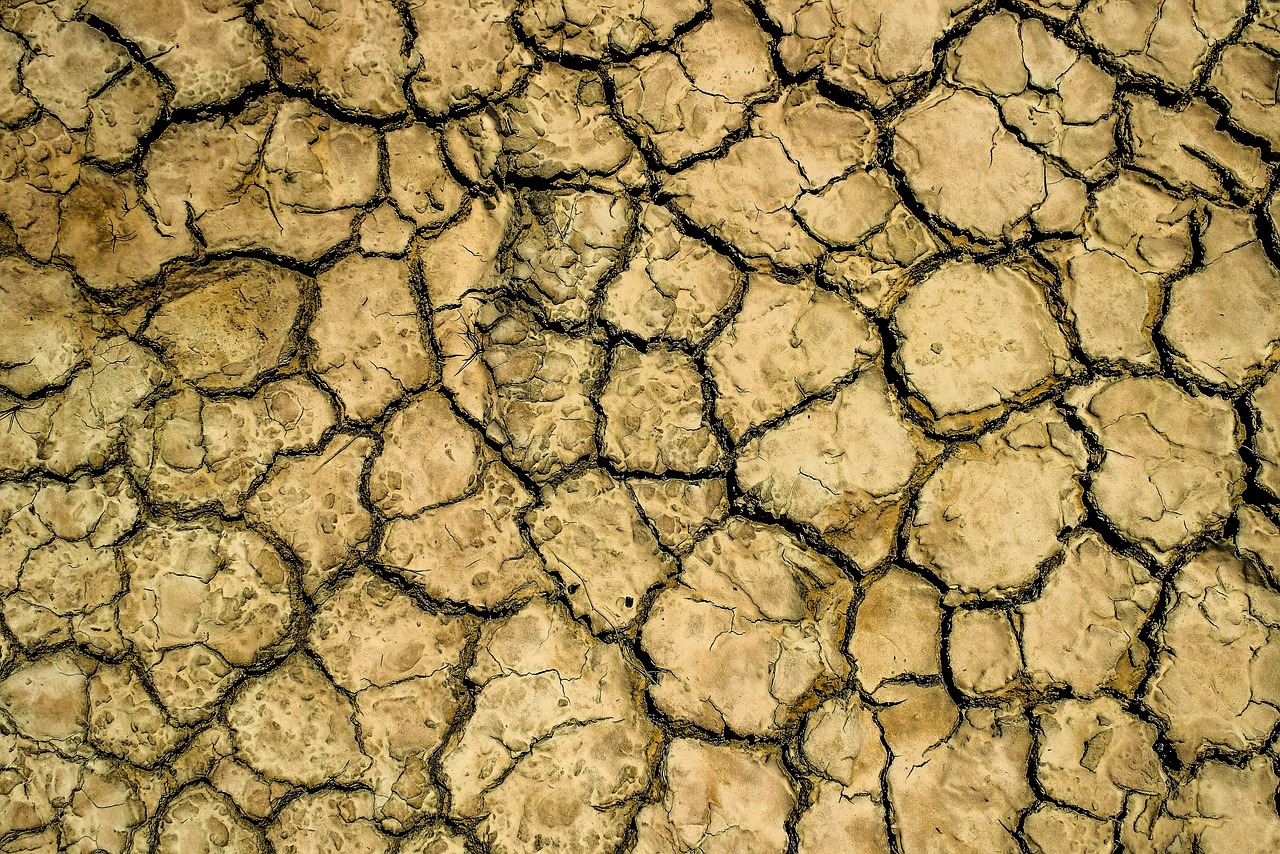
El Niño is currently causing significant reductions in rainfall and drier-than-usual conditions, which led to dry spells and droughts across the country.

Furthermore, the probability of a La Niña developing later this year has increased to 55 percent.

Historically, a pre-developing La Niña has a “reversal effect” on the rainy season, which may result in below-normal or 60 percent reduction in average rainfall in some areas between July and September, Solis explained.

‘Utilize resources intelligently’

During this period, warmer temperatures also contribute to faster moisture evaporation, which leads to faster depletion of water reservoirs.

Furthermore, if rainfall is low, dams are less likely to be replenished.

If the current condition persists, PAGASA is not ruling out the possibility that the water levels of major dams in Luzon may continue to decline.

PAGASA hydrologist Richard Orendain said the Angat Dam could potentially hit its 180-meter “low-water” mark by June if the current water allocation and basin rainfall will remain the same in the next three months.

He added that PAGASA projects that the Angat Dam will reach 182 meters by the end of May, which is still good given that its water level typically falls below 180 meters during this time.

Angat Dam is the major water source for Metro Manila.

However, PAGASA senior hydrologist Rosalie Pagulayan urged the public to “utilize our [water] resources intelligently,” although water concessionaires and other government agencies have put in place measures to ensure water availability and prevent a repeat of the water shortage in Metro Manila in 2010.

The State weather bureau said the start of the southwest monsoon or “habagat” season in June may help in the “gradual” increase in the water levels of some dams in Luzon.

Meanwhile, Angat Dam typically reaches its 212-meter normal high water level during the northeast monsoon or “amihan” season, from October to March.

To help conserve water, PAGASA advised the public to use a glass of water when brushing; take a bath in five minutes or less; use water basins when washing dishes by hand; water plants early in the morning or evening; use a bucket of water and a rag to wash cars or bikes; check for leaks in water pipes or toilets; do not flush the toilet just to dispose of small trash; only use the washing machine when it is fully loaded; and collect rainwater and use it for watering plants or washing your car.

Related Tags

El Niño phenomenon La Niña PAGASA
ADVERTISEMENT
.most-popular .layout-ratio{ padding-bottom: 79.13%; } @media (min-width: 768px) and (max-width: 1024px) { .widget-title { font-size: 15px !important; } }

{{ articles_filter_1561_widget.title }}

.most-popular .layout-ratio{ padding-bottom: 79.13%; } @media (min-width: 768px) and (max-width: 1024px) { .widget-title { font-size: 15px !important; } }

{{ articles_filter_1562_widget.title }}

.most-popular .layout-ratio{ padding-bottom: 79.13%; } @media (min-width: 768px) and (max-width: 1024px) { .widget-title { font-size: 15px !important; } }

{{ articles_filter_1563_widget.title }}

{{ articles_filter_1564_widget.title }}

.mb-article-details { position: relative; } .mb-article-details .article-body-preview, .mb-article-details .article-body-summary{ font-size: 17px; line-height: 30px; font-family: "Libre Caslon Text", serif; color: #000; } .mb-article-details .article-body-preview iframe , .mb-article-details .article-body-summary iframe{ width: 100%; margin: auto; } .read-more-background { background: linear-gradient(180deg, color(display-p3 1.000 1.000 1.000 / 0) 13.75%, color(display-p3 1.000 1.000 1.000 / 0.8) 30.79%, color(display-p3 1.000 1.000 1.000) 72.5%); position: absolute; height: 200px; width: 100%; bottom: 0; display: flex; justify-content: center; align-items: center; padding: 0; } .read-more-background a{ color: #000; } .read-more-btn { padding: 17px 45px; font-family: Inter; font-weight: 700; font-size: 18px; line-height: 16px; text-align: center; vertical-align: middle; border: 1px solid black; background-color: white; } .hidden { display: none; }
function initializeAllSwipers() { // Get all hidden inputs with cms_article_id document.querySelectorAll('[id^="cms_article_id_"]').forEach(function (input) { const cmsArticleId = input.value; const articleSelector = '#article-' + cmsArticleId + ' .body_images'; const swiperElement = document.querySelector(articleSelector); if (swiperElement && !swiperElement.classList.contains('swiper-initialized')) { new Swiper(articleSelector, { loop: true, pagination: false, navigation: { nextEl: '#article-' + cmsArticleId + ' .swiper-button-next', prevEl: '#article-' + cmsArticleId + ' .swiper-button-prev', }, }); } }); } setTimeout(initializeAllSwipers, 3000); const intersectionObserver = new IntersectionObserver( (entries) => { entries.forEach((entry) => { if (entry.isIntersecting) { const newUrl = entry.target.getAttribute("data-url"); if (newUrl) { history.pushState(null, null, newUrl); let article = entry.target; // Extract metadata const author = article.querySelector('.author-section').textContent.replace('By', '').trim(); const section = article.querySelector('.section-info ').textContent.replace(' ', ' '); const title = article.querySelector('.article-title h1').textContent; // Parse URL for Chartbeat path format const parsedUrl = new URL(newUrl, window.location.origin); const cleanUrl = parsedUrl.host + parsedUrl.pathname; // Update Chartbeat configuration if (typeof window._sf_async_config !== 'undefined') { window._sf_async_config.path = cleanUrl; window._sf_async_config.sections = section; window._sf_async_config.authors = author; } // Track virtual page view with Chartbeat if (typeof pSUPERFLY !== 'undefined' && typeof pSUPERFLY.virtualPage === 'function') { try { pSUPERFLY.virtualPage({ path: cleanUrl, title: title, sections: section, authors: author }); } catch (error) { console.error('ping error', error); } } // Optional: Update document title if (title && title !== document.title) { document.title = title; } } } }); }, { threshold: 0.1 } ); function showArticleBody(button) { const article = button.closest("article"); const summary = article.querySelector(".article-body-summary"); const body = article.querySelector(".article-body-preview"); const readMoreSection = article.querySelector(".read-more-background"); // Hide summary and read-more section summary.style.display = "none"; readMoreSection.style.display = "none"; // Show the full article body body.classList.remove("hidden"); } document.addEventListener("DOMContentLoaded", () => { let loadCount = 0; // Track how many times articles are loaded const offset = [1, 2, 3, 4, 5, 6, 7, 8, 9, 10]; // Offset values const currentUrl = window.location.pathname.substring(1); let isLoading = false; // Prevent multiple calls if (!currentUrl) { console.log("Current URL is invalid."); return; } const sentinel = document.getElementById("load-more-sentinel"); if (!sentinel) { console.log("Sentinel element not found."); return; } function isSentinelVisible() { const rect = sentinel.getBoundingClientRect(); return ( rect.top < window.innerHeight && rect.bottom >= 0 ); } function onScroll() { if (isLoading) return; if (isSentinelVisible()) { if (loadCount >= offset.length) { console.log("Maximum load attempts reached."); window.removeEventListener("scroll", onScroll); return; } isLoading = true; const currentOffset = offset[loadCount]; window.loadMoreItems().then(() => { let article = document.querySelector('#widget_1690 > div:nth-last-of-type(2) article'); intersectionObserver.observe(article) loadCount++; }).catch(error => { console.error("Error loading more items:", error); }).finally(() => { isLoading = false; }); } } window.addEventListener("scroll", onScroll); });

Sign up by email to receive news.