

ADVERTISEMENT

DOT renews calls to preserve culinary history

Published Mar 21, 2024 06:58 am

food month.jpg

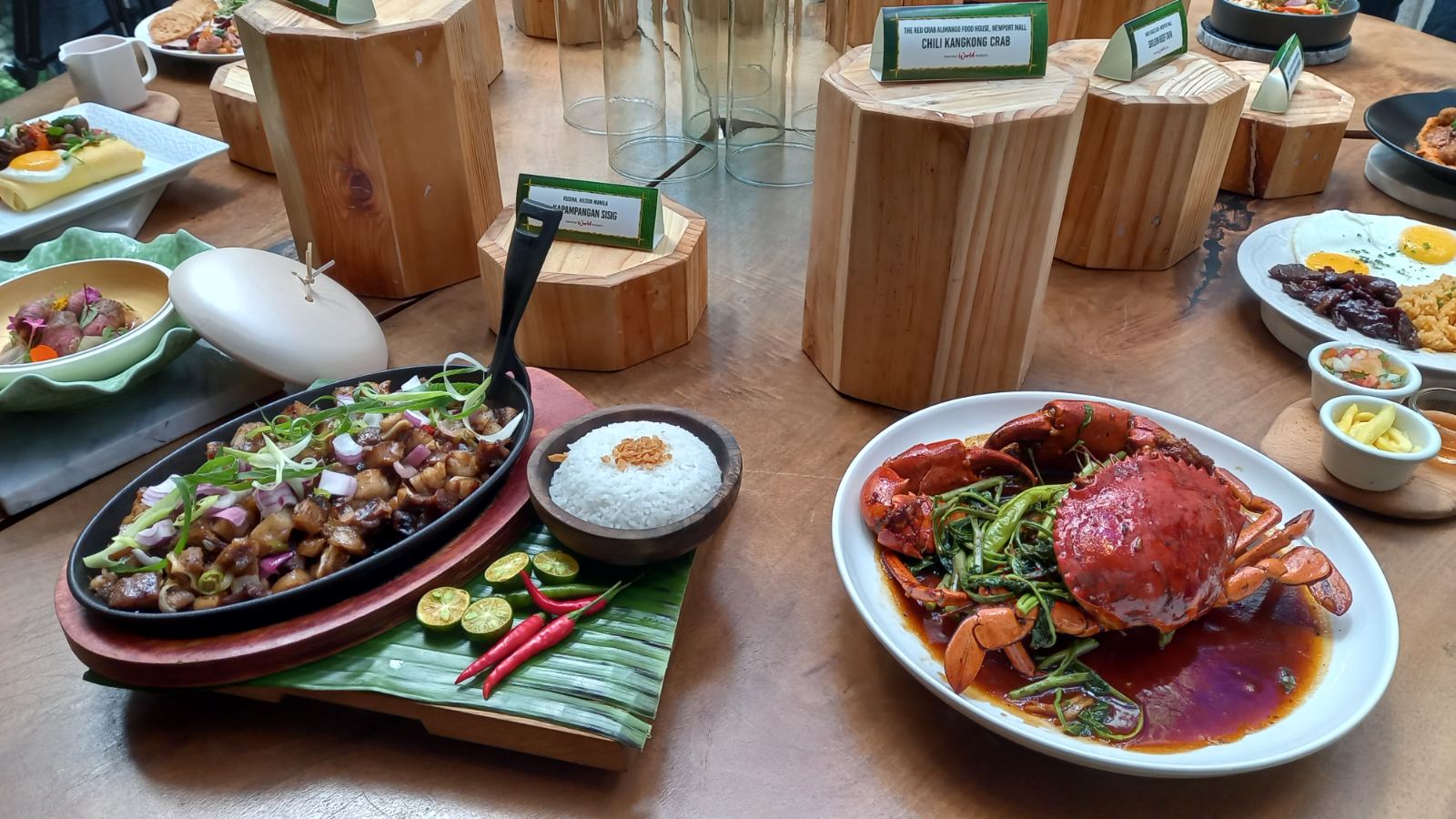
The Department of Tourism (DOT) has renewed its call to preserve the culinary heritage of the Philippines and advocate for sustainable food security as the nation marks Filipino Food Month.

DOT-National Capital Report (NCR) Sharlene Zabala-Batin stressed that food plays a crucial role in shaping the Filipino identity and culture as it narrates the tale of the nation and brings together the spirits of the Filipino people.

“Our cuisine plays a significant role in shaping our identity and heritage. Not only does it narrate our national history, but it also fosters a sense of unity among us Filipinos,” Batin said during the launching of the Filipino Food Month wwith the theme “Kalutong Filipino, Lakas ng Kabataang Makabago.”

“Because of the archipelagic characteristics of our nation, our native cuisine and flavors are deliberately distinct, and this is what we must enhance and share with other areas and nations,” she added.

for his part, Department of Agriculture (DA) Undersecretary Jerome Oliveros reiterated that conducting mapping and documentation of Filipino food heritage is a crucial method to safeguard it. This process involves in-depth research on various regional cuisines, which serve as a reflection of each area's distinct history and culture.

“Through mapping and documentation, we can delve into the diverse culinary traditions of different regions, providing insight into the historical and cultural significance of each specific area.”

“Filipinos today continue to relish numerous dishes and recipes that have been handed down from previous generations, while certain variations have emerged over time. Our esteemed team of research chefs and culinary experts plays a vital role in enhancing these culinary delights,” Oliveros said.

He said the House Bill 10551 will require the relevant government bodies, such as the Department of Education, the Department of Agriculture, and the Department of Science and Technology, to carry out food heritage mapping and regional culinary identity mapping. They will also be tasked with recognizing and documenting physical culinary assets through the utilization of geographic instruments.

The legislation will also create the Philippine Gastronomy and Culinary Heritage Committee, tasked with developing and implementing policies, strategies, and initiatives to enhance and promote Filipino cuisine, culinary traditions, traditional dishes, and gastronomy.

Moreover, Oliveros cited the need to support agriculture and fisheries, especially small-scale farmers and urban gardeners, in order to conserve local food heritage and enhance food security. Additionally, promoting traditional cooking techniques that use heirloom ingredients is crucial to achieving this goal.

“The COVID-19 pandemic has revealed the fragility of our food supply chains, highlighting the immediate threat to the food and nutritional security of millions of our fellow citizens,” he said.

“Supporting our farmers and fishermen is crucial for establishing a strong foundation and resolving our food security issue, ensuring the sustainability of our food sources. This approach will lead to the development of a resilient and sustainable food system, contributing to the preservation of our culinary heritage,” he added.

Related Tags

Department of Tourism Filipino Food Month
ADVERTISEMENT
.most-popular .layout-ratio{ padding-bottom: 79.13%; } @media (min-width: 768px) and (max-width: 1024px) { .widget-title { font-size: 15px !important; } }

{{ articles_filter_1561_widget.title }}

.most-popular .layout-ratio{ padding-bottom: 79.13%; } @media (min-width: 768px) and (max-width: 1024px) { .widget-title { font-size: 15px !important; } }

{{ articles_filter_1562_widget.title }}

.most-popular .layout-ratio{ padding-bottom: 79.13%; } @media (min-width: 768px) and (max-width: 1024px) { .widget-title { font-size: 15px !important; } }

{{ articles_filter_1563_widget.title }}

{{ articles_filter_1564_widget.title }}

.mb-article-details { position: relative; } .mb-article-details .article-body-preview, .mb-article-details .article-body-summary{ font-size: 17px; line-height: 30px; font-family: "Libre Caslon Text", serif; color: #000; } .mb-article-details .article-body-preview iframe , .mb-article-details .article-body-summary iframe{ width: 100%; margin: auto; } .read-more-background { background: linear-gradient(180deg, color(display-p3 1.000 1.000 1.000 / 0) 13.75%, color(display-p3 1.000 1.000 1.000 / 0.8) 30.79%, color(display-p3 1.000 1.000 1.000) 72.5%); position: absolute; height: 200px; width: 100%; bottom: 0; display: flex; justify-content: center; align-items: center; padding: 0; } .read-more-background a{ color: #000; } .read-more-btn { padding: 17px 45px; font-family: Inter; font-weight: 700; font-size: 18px; line-height: 16px; text-align: center; vertical-align: middle; border: 1px solid black; background-color: white; } .hidden { display: none; }
function initializeAllSwipers() { // Get all hidden inputs with cms_article_id document.querySelectorAll('[id^="cms_article_id_"]').forEach(function (input) { const cmsArticleId = input.value; const articleSelector = '#article-' + cmsArticleId + ' .body_images'; const swiperElement = document.querySelector(articleSelector); if (swiperElement && !swiperElement.classList.contains('swiper-initialized')) { new Swiper(articleSelector, { loop: true, pagination: false, navigation: { nextEl: '#article-' + cmsArticleId + ' .swiper-button-next', prevEl: '#article-' + cmsArticleId + ' .swiper-button-prev', }, }); } }); } setTimeout(initializeAllSwipers, 3000); const intersectionObserver = new IntersectionObserver( (entries) => { entries.forEach((entry) => { if (entry.isIntersecting) { const newUrl = entry.target.getAttribute("data-url"); if (newUrl) { history.pushState(null, null, newUrl); let article = entry.target; // Extract metadata const author = article.querySelector('.author-section').textContent.replace('By', '').trim(); const section = article.querySelector('.section-info ').textContent.replace(' ', ' '); const title = article.querySelector('.article-title h1').textContent; // Parse URL for Chartbeat path format const parsedUrl = new URL(newUrl, window.location.origin); const cleanUrl = parsedUrl.host + parsedUrl.pathname; // Update Chartbeat configuration if (typeof window._sf_async_config !== 'undefined') { window._sf_async_config.path = cleanUrl; window._sf_async_config.sections = section; window._sf_async_config.authors = author; } // Track virtual page view with Chartbeat if (typeof pSUPERFLY !== 'undefined' && typeof pSUPERFLY.virtualPage === 'function') { try { pSUPERFLY.virtualPage({ path: cleanUrl, title: title, sections: section, authors: author }); } catch (error) { console.error('ping error', error); } } // Optional: Update document title if (title && title !== document.title) { document.title = title; } } } }); }, { threshold: 0.1 } ); function showArticleBody(button) { const article = button.closest("article"); const summary = article.querySelector(".article-body-summary"); const body = article.querySelector(".article-body-preview"); const readMoreSection = article.querySelector(".read-more-background"); // Hide summary and read-more section summary.style.display = "none"; readMoreSection.style.display = "none"; // Show the full article body body.classList.remove("hidden"); } document.addEventListener("DOMContentLoaded", () => { let loadCount = 0; // Track how many times articles are loaded const offset = [1, 2, 3, 4, 5, 6, 7, 8, 9, 10]; // Offset values const currentUrl = window.location.pathname.substring(1); let isLoading = false; // Prevent multiple calls if (!currentUrl) { console.log("Current URL is invalid."); return; } const sentinel = document.getElementById("load-more-sentinel"); if (!sentinel) { console.log("Sentinel element not found."); return; } function isSentinelVisible() { const rect = sentinel.getBoundingClientRect(); return ( rect.top < window.innerHeight && rect.bottom >= 0 ); } function onScroll() { if (isLoading) return; if (isSentinelVisible()) { if (loadCount >= offset.length) { console.log("Maximum load attempts reached."); window.removeEventListener("scroll", onScroll); return; } isLoading = true; const currentOffset = offset[loadCount]; window.loadMoreItems().then(() => { let article = document.querySelector('#widget_1690 > div:nth-last-of-type(2) article'); intersectionObserver.observe(article) loadCount++; }).catch(error => { console.error("Error loading more items:", error); }).finally(() => { isLoading = false; }); } } window.addEventListener("scroll", onScroll); });

Sign up by email to receive news.