







DOH: Get vaccinated as measles, pertussis cases rise


The Department of Health (DOH) on Thursday, March 21 said it has re-established and intensified its vaccination campaign to combat the increasing cases of measles and pertussis.
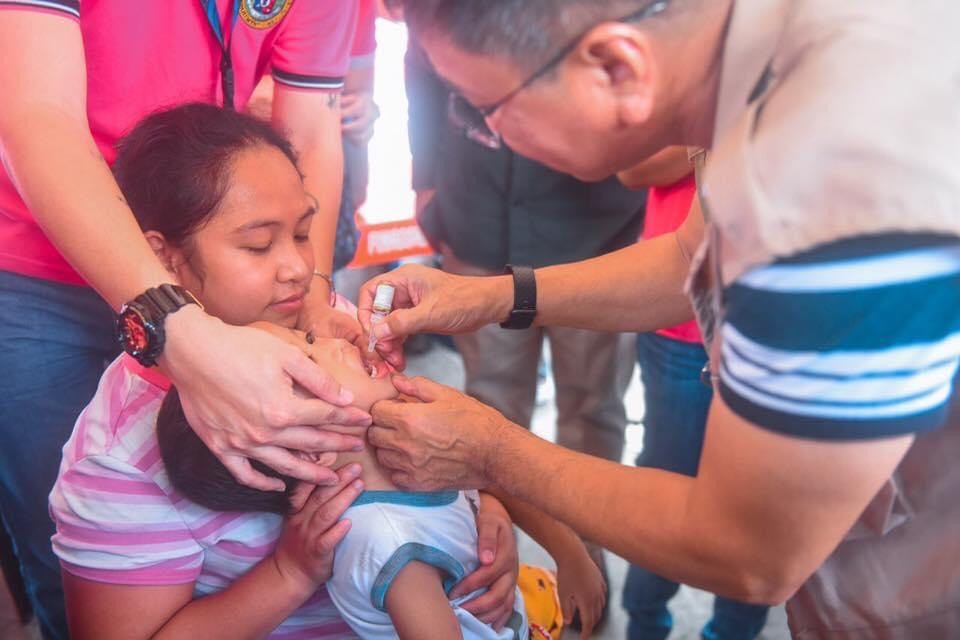
To level up the number of Filipinos having been immunized, DOH called for an “active involvement” of the the public on the department’s community engagement and risk communication activities to boost the vaccination drive.
DOH said for the first 10 weeks of 2024, 453 pertussis cases were reported from the 52 cases in 2019, 27 cases in 2020, seven cases in 2021, two cases in 2022, and 23 cases in 2023, which were all recorded in the same period.
“Disruptions in routine immunization at primary care during the pandemic are seen to be the main reason why there already are 453 reported cases of pertussis,”, DOH said.
“Pertussis or whooping cough (“ubong-dalahit” or “tuspirina” in Filipino) is a highly contagious bacterial respiratory infection that causes influenza-like symptoms of mild fever, colds, and coughs 7 to 10 days after exposure,” it added.
Meanwhile, as of February 24, 2024, DOH said a total of 569 measles and rubella cases were recorded in which all regions, except Bicol and Central Visayas, had increasing number of cases in February.
“Epidemiologic profile shows that those under five years of age and who are unvaccinated are the most affected,” DOH said.
“Measles (“tigdas” in Filipino) is highly contagious. It spreads from infected individuals through the air, especially through coughing or sneezing,” it added.
On March 13, DOH Secretary Teodoro J. Herbosa said the department established a national DOH Public Health Emergency Operations Center (PHEOC), which administers “on-the-ground” actions to suppress measles cases with support from the World Health Organization (WHO), the United Nations International Children’s Emergency Fund (UNICEF), and the United States Center for Disease Control (USCDC).
“Code Blue has been practiced in the DOH Central Office (DOH-CO) since March 20, which signals intensified activities to mitigate the spread of the virus through vaccination, micronutrient supplementation, community engagement, and risk communication,” Herbosa said.
Moreover, Herbosa reiterated that the public should also have their pentavalent Diphtheria, Pertussis and Tetanus, Hepatitis B, and Haemophilus influenza type B (DPT-HepB-HiB) and Measles, Mumps and Rubella (MMR) vaccines, which are all free at local health centers.