







Jepherson Mark Parcia: Youth Farmer and a Dreamer


It was during high school that I decided to pursue managing our agarwood farming business, and my farmer father was my mentor at that time. I did not continue my education after finishing high school, but I always believed that my focus was more on agriculture and farming, and I wanted to improve my knowledge and nurture my skills by having first hand experience in the field.
Experienced and Motivated
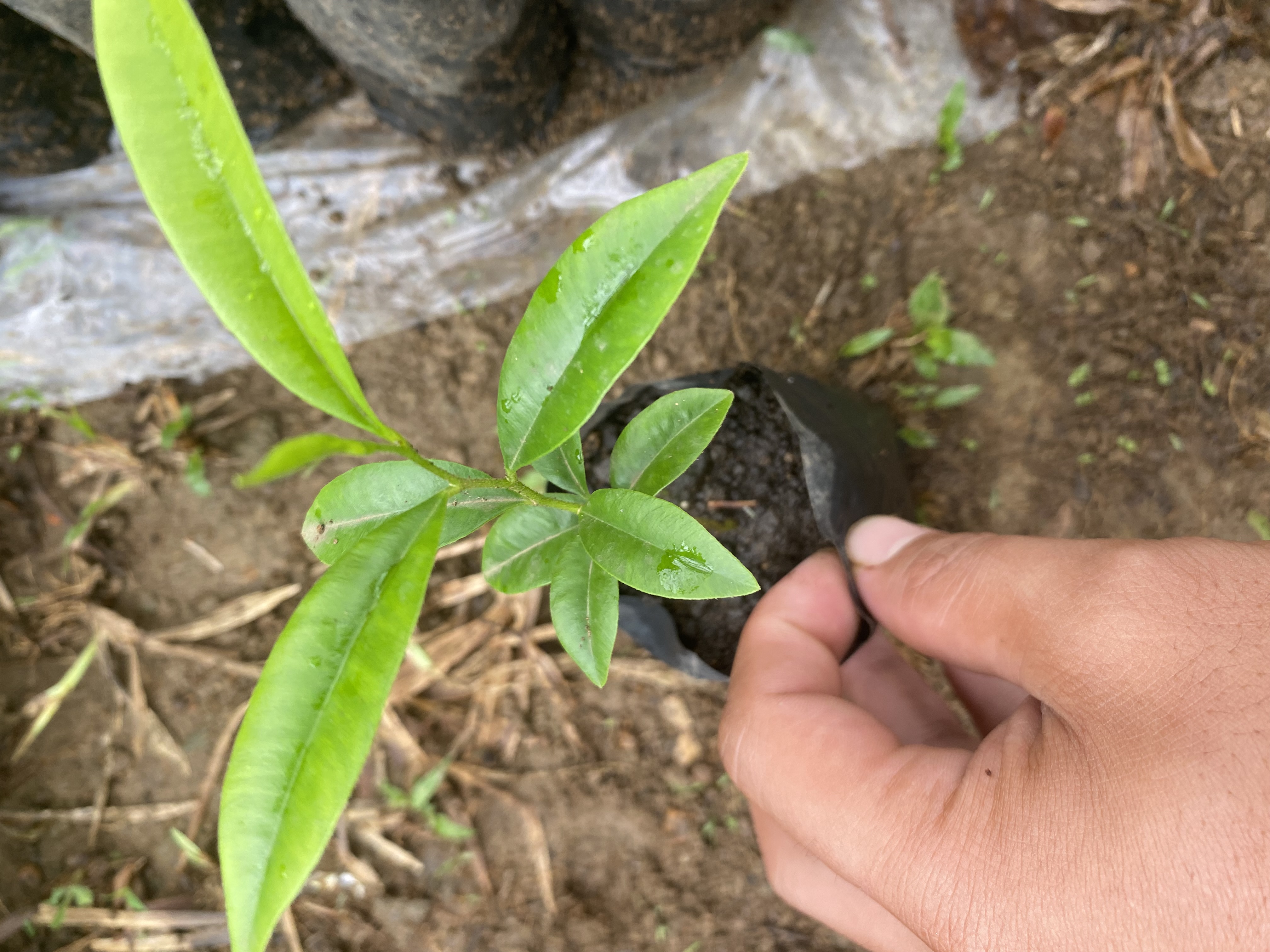
I have experience in agriculture; before, my father and I used to plant cacao and narra, and we sold them, but we also do construction work on the side. I remember there was a time when our co-worker shared how a lot of agarwood farm owners from Leyte became wealthy. Then we shifted to agarwood because of its value and price in the market. I am very hands-on in taking care of their agarwood seedlings since they are vulnerable to pests and insects, especially when they are still small.

My father and I built our own agarwood nursery, a place where we plant and grow agarwood seedlings. We secured a small lot in our area, and there we built our agarwood nursery. We ensure that all the essential things for agarwood seedlings to grow are provided.
Establishing Success
In venturing into the agarwood business, one must not rush things, including compliance with the requirements, return of investments, and many more, since all of this will come into place. What a business owner must prioritize is licensing the business, since agarwood farming is highly-regulated in the Philippines.
With its high demand and high price in the market, it really helped us financially. We want other small farmers to plant and grow agarwood trees as well, so in the future, they can sell them for a reasonable price.

Those who are interested in starting their agarwood business must adhere to all the rules and regulations and complete the necessary requirements for its legalization. There is no shortcut in agarwood farming.