






 Lifestyle
Arts and Culture
How Marcos helped grow the Church of Jesus Christ of Latter-Day Saints in the Philippines
Lifestyle
Arts and Culture
How Marcos helped grow the Church of Jesus Christ of Latter-Day Saints in the Philippines
How Marcos helped grow the Church of Jesus Christ of Latter-Day Saints in the Philippines
We now have the biggest number of members outside of the US!


At A Glance
- LDS Church missionary work in the Philippines can trace its roots to the Philippine-American War in 1898 when two American soldiers, Willard Call and Geroge Seaman, were sent to the Philippines to 'preach the gospel.'
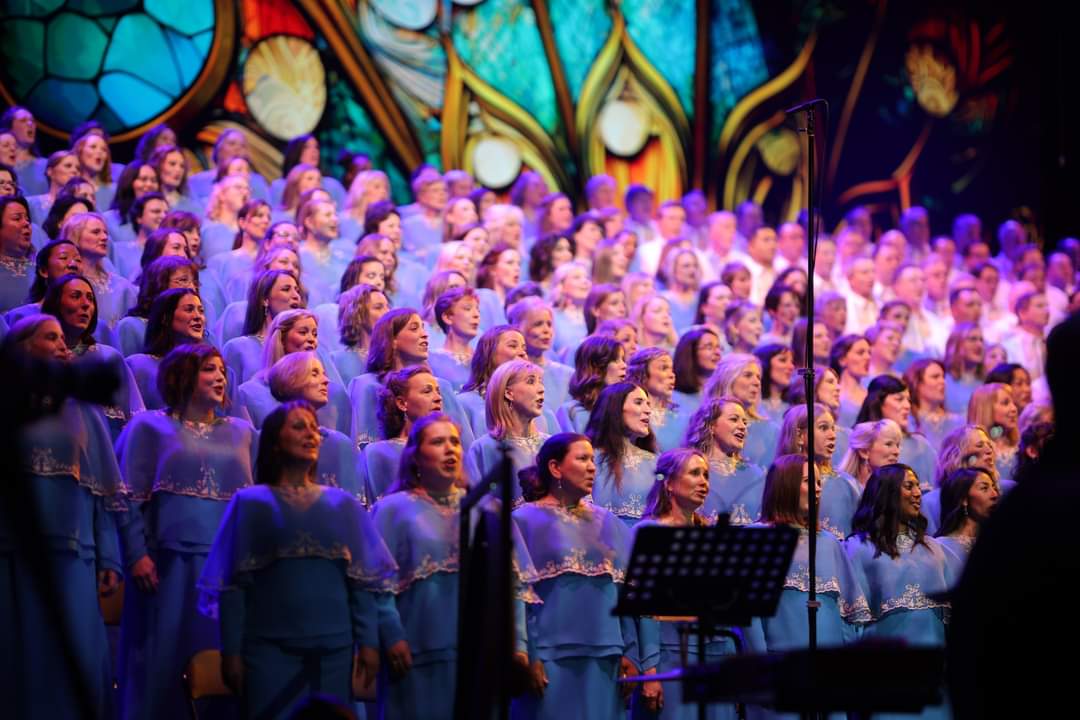
Well, this was a first. I was asked to represent my cousin Senator Imee R. Marcos at the concert of the world-renowned Tabernacle Choir’s “Himig ng Pag-Asa” concert in Manila recently. Relative to other proxy duties, this felt different. I was requested to just attend a concert, which I did and, in fact, enjoyed tremendously.
id and, in fact, enjoyed tremendously. At the concert, I wondered if there was a connection between the senator’s father, the late President Ferdinand E. Marcos (PFEM), and the Church of Jesus Christ of Latter-Day Saints (LDS). After all, if she had been there instead of me, the senator would have given a brief message before the concert. As the first-born, Imee remembers much of her father and his work. In fact, her life as a civil servant has been the continuation of his legacy. What was the connection, I wondered.
When I got home that night, after sifting through some PFEM-related materials, I learned that he played a major role in the “growth and establishment” of the LDS Church in the Philippines.
During PFEM’s administrations (1965-1986), the LDS Church, being recognized by the Philippines government, was allowed more freedom for missionary and “proselytizing activities” in the country. Its missionary work in the Philippines can trace its roots to the PhilippineAmerican War in 1898 when two American soldiers, Willard Call and Geroge Seaman, were sent to the Philippines to “preach the gospel.”
Although a little headway was made, work continued until the onset of World War 2. According to reports, after the war, since the church was not recognized by the Philippine government then, mission work could only be conducted by American servicemen and civilians already in the Philippines. The LDS Church filed for official recognition from the Philippine government in 1961 and, upon approval, it was allowed to send missionaries to the Philippines. It was during PFEM’s time with its support and recognition, however, that the Church saw further growth and integration within the Filipino population.
The church established its first mission in the country in 1967 and later built its first temple at Green Meadows in Quezon City in 1984. A second temple was built in 2010 in Cebu. The Philippines now has the largest population of LDS members outside of the US, numbering almost 900,000. The Church has worked with government in emergency response, health and disabilities improvement projects, water, sanitation, and hygiene programs, and education support under the current leadership of G. Kenneth Lee, Carlos G. Revillo Jr., and Perfecta M. Bautista.
The Tabernacle Choir has been around for over a century. The choir is world-renowned, having traveled around the world since 1893, recording over 200 albums, and garnering both Emmy and Grammy awards. It proudly boasts of having performed at the inaugurations of seven US Presidents.
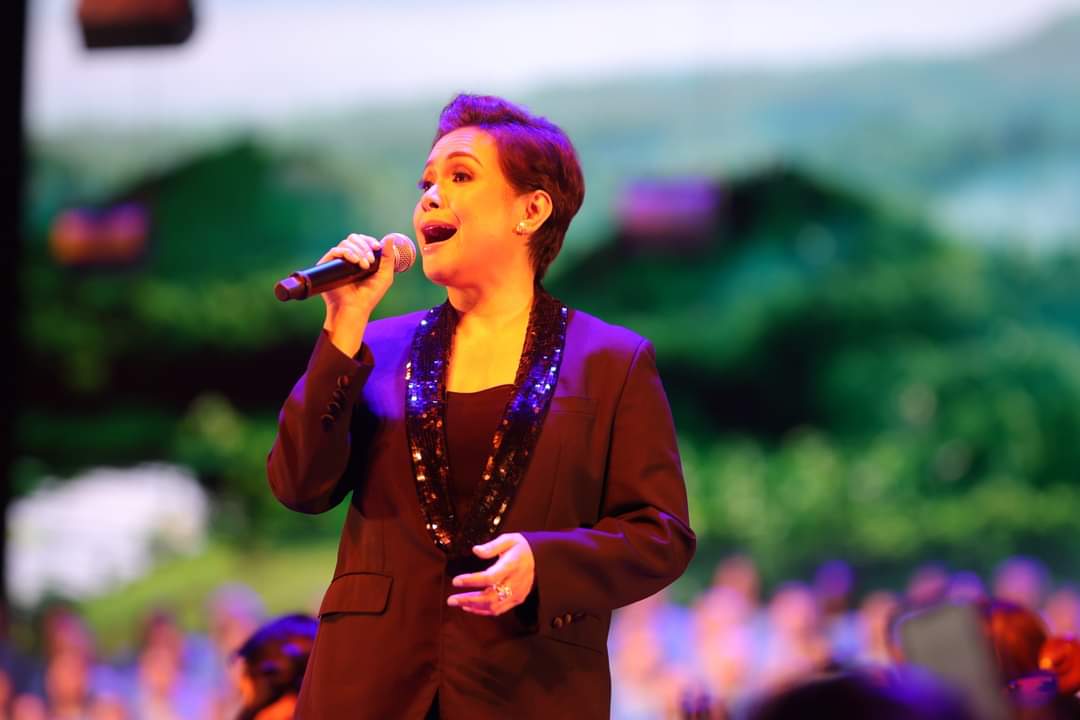
In LDS literature, it says that the choir “has its own recording label, Tabernacle Choir, which has released 36 CDs and 18 DVDs since 2003. Billboard Magazine named the Tabernacle Choir the number one Traditional Classical Albums Artist for 2012. Since 2003, the choir and orchestra have had 12 number one albums on Billboard’s classical list. Their latest recording, "Tree of Life: Sacred Music of Mack Wilberg," was released on May 4, 2018. The choir’s weekly Music and the Spoken Word program has established an unparalleled record of continuous network broadcasting. Heard each week since 1929, the program will soon begin its 90th year of uninterrupted broadcasts. Offered as a public service to broadcasters, the non-denominational program features musical selections by the choir and orchestra, accompanied by the magnificent Tabernacle organ, with a short inspirational message each week. Originating from the venerable Tabernacle on Temple Square in Salt Lake City, the broadcast is carried on radio, television, and cable networks across the country and around the world and is available on the choir’s YouTube channel. The channel, launched in October 2012, has garnered over 130 million views from around the world with over 200,000 subscribers.”
That night, the Tabernacle Choir with its over 300 all-volunteer members, accompanied by a symphony orchestra of 60 instrumentalists, did not disappoint! The Mall of Asia Arena was packed with 10,000 people, all enthralled with songs from all over the world, and the choir’s rendition of two Filipino songs, “Hawak Kamay” and “Bahay Kubo.” Accompanying the choir were Broadway singer and actress Lea Salonga and singer-songwriter and YouTube star Ysabella Cuevas. You can watch the concert on You Tube!
Growing
As part of my series on getting older and as I have explained in a previous article entitled, “Empty-Nester,” published November 2023, preparing for that period in my life when I start to hone in on “crafting my wellbeing by keeping fit, remaining healthy, and taking responsibility for ensuring, as far as possible, that I remain in good shape and independent of other people by developing a new skill (continued self-development), investment in self knowledge and autonomy (care of the self), and volunteering (giving back).”
I have enrolled myself in a Fashion Embellishment course at the Fashion Institute of the Philippines (FIP). I have been a DIY burdadera and embellisher, mostly self-taught. This time, I wanted to learn the technicalities for the very basic reason of ensuring the embellishments I create and attach on my various DIY projects bags, clothes, and other accessories don’t fall off mid-wear! I’ve been meaning to take courses and have seen social media adverts and posts by various fashion institutes and schools. Just by chance and right timing, I clicked on a post by the FIP highlighting the Fashion Embellishment course. Enrollment was straightforward and all I had to do was order the necessary materials for class and show up. Headquartered in Ortigas, FIP has a number of branches across the country, such as in the Makati Central Business District, Sta. Rosa in Laguna, and Cebu City. Among the other courses offered are Basic Fashion Design, Advance Fashion Design, Basic Patternmaking, Advance Patternmaking, Haute Couture Techniques, Patternmaking for Menswear, Patternmaking for Childrenswear, and Fashion Merchandising. All beginner courses are open to all. No need for a background in fashion.
As I said, there are many fashion schools out there, some more expensive than others, some offering certificates on skills, others diplomas, at very affordable prices and reasonable class schedules—once a week even. For me, it is leveling up. Who knows, in my sunset years, I may just launch my own a fashion line. One never knows, but the idea gives hope that life for me in the future is still full of purpose.