







Dengue trend rises despite case drop; DOH calls for vigilance


Department of Health (DOH) Undersecretary Eric Tayag has confirmed a slight increase in trend despite a decrease in reported dengue cases.
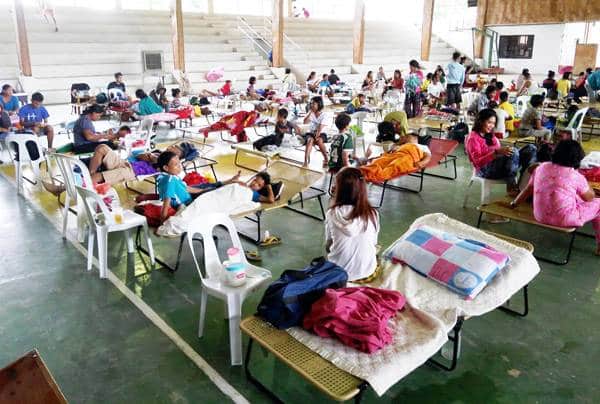
While the number of cases may have dropped compared to previous periods, Tayag emphasized that the overall trend of dengue is somewhat on the rise.
He clarified that the latest figures recorded have not yet reached the National Headquarters of DOH, indicating a delay in data dissemination.
READ: https://mb.com.ph/2024/3/1/doh-reports-11-decrease-in-dengue-cases-nationwide
However, Tayag mentioned a positive development: the current number of deaths related to dengue is lower compared to previous records.
Meanwhile, responding to inquiries about the possibility of dengue “recurrence” in individuals who have previously contracted the disease, Tayag said that “it can happen again.”
"Sapagkat apart ang strains o types ng dengue. Mayroon tayong type one, two, three, and four, so kung nagkaroon ka na ng type two ay maaaring maulit 'yan na dengue type one, three, and four (Because there are four strains or types of dengue. We have type one, two, three, and four, so if you've had type two, it could recur as dengue type one, three, and four)," Tayag highlighted on Friday, March 1, during an interview with TeleRadyo Serbisyo.
He added that the monitoring of dengue strains by the DOH is imperative as they may not manifest simultaneously.
"Maaaring paulit-ulit ang dengue, at kung paulit-ulit, mas malaki ang panganib na ito ay magbibigay ng komplikasyon (Dengue can recur, and if it does, there is a greater risk of complications)," stressed Tayag, urging continued vigilance in monitoring and prevention efforts.
On the other hand, regarding the use of fumigation or fogging to control mosquito populations in communities, Tayag emphasized the importance of planning and coordination with local authorities.
"Tagubilin namin sa pamahalaang lokal na dapat pinaplano ang pagpapausok sapagkat 'di naman pwede na basta pupunta na lang sa isang barangay at magspray (We advise the local government to plan fumigation because it's not as simple as just going to a barangay and spraying or fogging)," he noted.
"Pinag-aaralan 'yan dahil baka mamaya, sa kaka-spray natin e wala nang magamit na insecticide kasi nagkakaroon din ng resistance ang mga lamok (It's being studied because eventually, we might run out of insecticides due to mosquitoes developing resistance)," Tayag said.
Moreover, Tayag also addressed the belief that traditional remedies such as "tawa-tawa" can aid in increasing platelet counts in dengue patients.
He said, "There have been studies on that because 'tawa-tawa' is prepared like a tea, and hydration is also the principle behind it."
"Ibig sabihin ay makakatulong, kaya lang, may mga pagkakataon na 'pag na-ospital na, ay mahihirapan ang mga doktor kaya kinakabitan ng dextrose (It means it can help, but there are times when once the patient is hospitalized, the doctors might encounter difficulties, which is why they resort to intravenous fluids)," he clarified.
In line with these, Tayag reiterated the DOH's commitment to monitoring and addressing the dengue situation effectively, underscoring the importance of comprehensive strategies in combating the disease.