ADVERTISEMENT

U.S.-based Harnyss introduces patented hydrogen storage solutions in PH

Published Mar 19, 2024 03:35 am

031924HarnyssHydrogen2.jpg

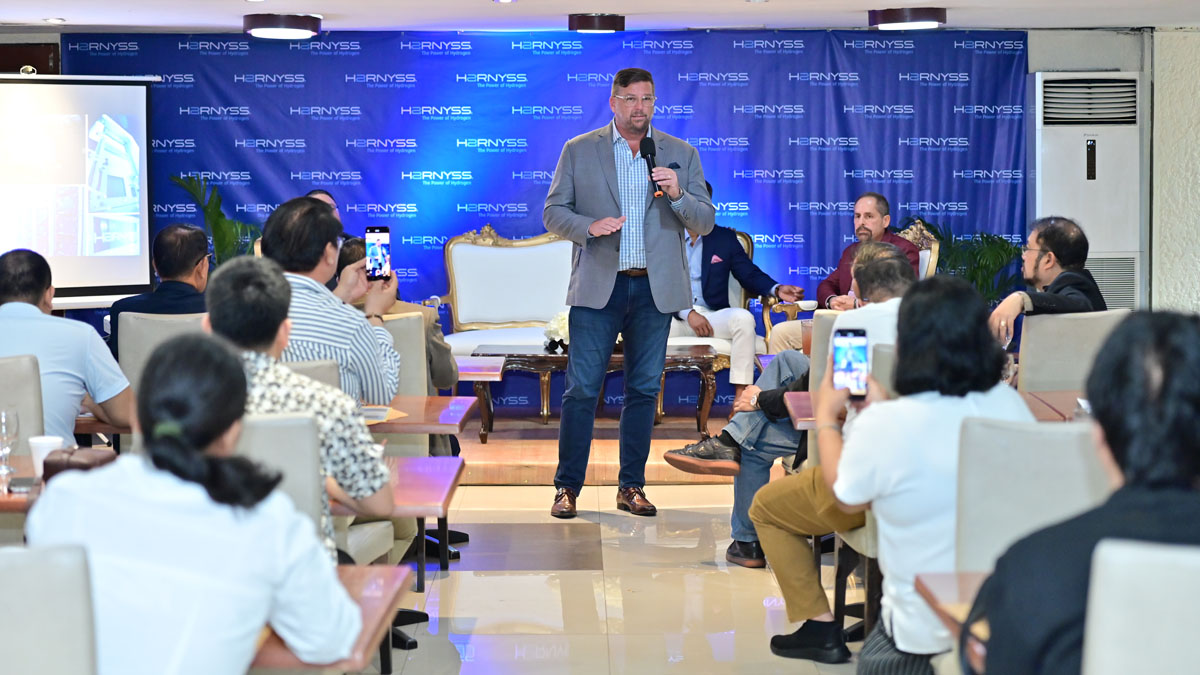
A revolutionary energy storage solution primarily using hydrogen is set to make its way into the Philippines. Harnyss, a Texas-based energy technology company, is introducing its patented low-pressure hydrogen storage solutions that could significantly complement the utilization of renewable energy in various settings.

Harnyss’ new technology is comprised of a hydrogen power system that can extract water from the atmosphere or other convenient sources and use that to produce hydrogen, which is then stored (through a supercapacitor) until the setup’s fuel cells convert the basic element into electricity.

The proprietary system uses low-pressure hydrogen at just about 250 pounds per square inch—up to 10 times lower than the standard 2,500 pounds per square inch used in traditional storage. This is made possible by binding hydrogen to strategic materials inside the special canisters.

More efficient energy storage

Harnyss also utilizes non-rare earth minerals that make it stand out compared to conventional energy storage products that use more volatile batteries made from lithium-ion. Thus, the system has a much greater and longer battery lifespan (about 20 to 30 years with minimal degradation compared to the common 10-year lifespan of lithium-ion batteries) and is greener and lless susceptible to fire.

Harnyss’ storage units (Oasis and Oasis 2 for long duration and basic energy storage, respectively) not only store hydrogen and energy but also serve as a ‘microgrid-in-a-box.’ Both systems can handle scalable energy storage from 500 KWh to 100+ MWh, allow 8 AC and DC inputs, and facilitate about 18- to 36-hour energy storage. Oasis, with 4.5 MWh of long duration energy storage per 40’ container is ideal for off-grid electric vehicle (EV) charging stations and grid support, while Oasis 2, with 1.4 MWh of energy storage per 40’ container is recommended for use in airports, hospitals, data centers, and military or government facilities.

Ideally, both Oasis systems could store energy from the grid (commercially available electricity) and/or renewable energy generated from solar or wind panels, which are getting more popular in the country.

Ideal for the Philippines
031924HarnyssHydrogen1.jpg

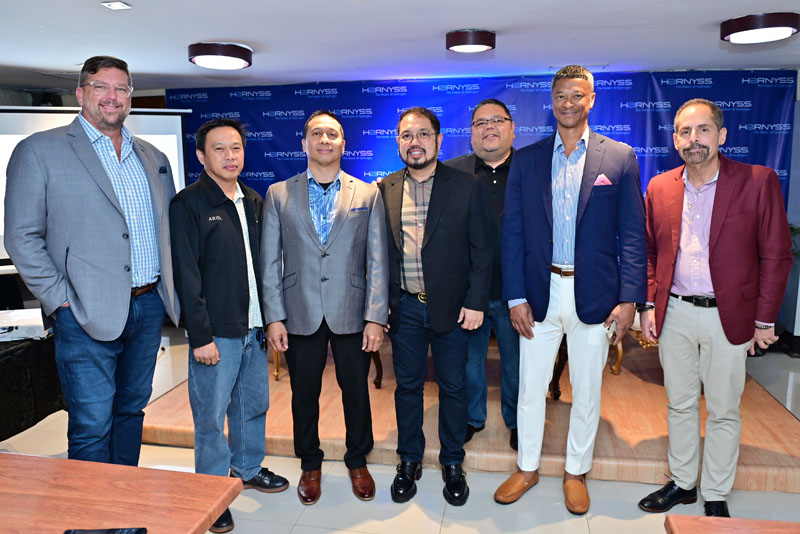
Overall, Harnyss's technology is perfect for the Philippines as it is much more practical. The revolutionary hydrogen technology makes it possible to store energy more efficiently and use that when needed. Moreover, its by-product is just water and has much less emission, making it very friendly to the environment.

Harnyss technology’s foray into the country comes as the Philippine government recognizes the potential of hydrogen in helping solve its energy woes. In January 2024, the Department of Energy (DOE) issued Circular No. 2024-01-0001 that sets a national policy and general framework, roadmap, and guidelines for hydrogen in the energy sector.

To further push hydrogen technology, the government is offering tax and other incentives to projects and companies that are producing, importing, or exporting green hydrogen and its derivatives for power generation and other possible applications.

President Ferdinand ‘Bongbong’ Marcos has consistently expressed his support for new energy sources and technology that could help address the country’s current energy problems. He has been reiterating that the Philippines “is open to any kind of power supply that can address energy problems.”

Related Tags

hydrogen
ADVERTISEMENT
.most-popular .layout-ratio{ padding-bottom: 79.13%; } @media (min-width: 768px) and (max-width: 1024px) { .widget-title { font-size: 15px !important; } }

{{ articles_filter_1561_widget.title }}

.most-popular .layout-ratio{ padding-bottom: 79.13%; } @media (min-width: 768px) and (max-width: 1024px) { .widget-title { font-size: 15px !important; } }

{{ articles_filter_1562_widget.title }}

.most-popular .layout-ratio{ padding-bottom: 79.13%; } @media (min-width: 768px) and (max-width: 1024px) { .widget-title { font-size: 15px !important; } }

{{ articles_filter_1563_widget.title }}

{{ articles_filter_1564_widget.title }}

.mb-article-details { position: relative; } .mb-article-details .article-body-preview, .mb-article-details .article-body-summary{ font-size: 17px; line-height: 30px; font-family: "Libre Caslon Text", serif; color: #000; } .mb-article-details .article-body-preview iframe , .mb-article-details .article-body-summary iframe{ width: 100%; margin: auto; } .read-more-background { background: linear-gradient(180deg, color(display-p3 1.000 1.000 1.000 / 0) 13.75%, color(display-p3 1.000 1.000 1.000 / 0.8) 30.79%, color(display-p3 1.000 1.000 1.000) 72.5%); position: absolute; height: 200px; width: 100%; bottom: 0; display: flex; justify-content: center; align-items: center; padding: 0; } .read-more-background a{ color: #000; } .read-more-btn { padding: 17px 45px; font-family: Inter; font-weight: 700; font-size: 18px; line-height: 16px; text-align: center; vertical-align: middle; border: 1px solid black; background-color: white; } .hidden { display: none; }
function initializeAllSwipers() { // Get all hidden inputs with cms_article_id document.querySelectorAll('[id^="cms_article_id_"]').forEach(function (input) { const cmsArticleId = input.value; const articleSelector = '#article-' + cmsArticleId + ' .body_images'; const swiperElement = document.querySelector(articleSelector); if (swiperElement && !swiperElement.classList.contains('swiper-initialized')) { new Swiper(articleSelector, { loop: true, pagination: false, navigation: { nextEl: '#article-' + cmsArticleId + ' .swiper-button-next', prevEl: '#article-' + cmsArticleId + ' .swiper-button-prev', }, }); } }); } setTimeout(initializeAllSwipers, 3000); const intersectionObserver = new IntersectionObserver( (entries) => { entries.forEach((entry) => { if (entry.isIntersecting) { const newUrl = entry.target.getAttribute("data-url"); if (newUrl) { history.pushState(null, null, newUrl); let article = entry.target; // Extract metadata const author = article.querySelector('.author-section').textContent.replace('By', '').trim(); const section = article.querySelector('.section-info ').textContent.replace(' ', ' '); const title = article.querySelector('.article-title h1').textContent; // Parse URL for Chartbeat path format const parsedUrl = new URL(newUrl, window.location.origin); const cleanUrl = parsedUrl.host + parsedUrl.pathname; // Update Chartbeat configuration if (typeof window._sf_async_config !== 'undefined') { window._sf_async_config.path = cleanUrl; window._sf_async_config.sections = section; window._sf_async_config.authors = author; } // Track virtual page view with Chartbeat if (typeof pSUPERFLY !== 'undefined' && typeof pSUPERFLY.virtualPage === 'function') { try { pSUPERFLY.virtualPage({ path: cleanUrl, title: title, sections: section, authors: author }); } catch (error) { console.error('ping error', error); } } // Optional: Update document title if (title && title !== document.title) { document.title = title; } } } }); }, { threshold: 0.1 } ); function showArticleBody(button) { const article = button.closest("article"); const summary = article.querySelector(".article-body-summary"); const body = article.querySelector(".article-body-preview"); const readMoreSection = article.querySelector(".read-more-background"); // Hide summary and read-more section summary.style.display = "none"; readMoreSection.style.display = "none"; // Show the full article body body.classList.remove("hidden"); } document.addEventListener("DOMContentLoaded", () => { let loadCount = 0; // Track how many times articles are loaded const offset = [1, 2, 3, 4, 5, 6, 7, 8, 9, 10]; // Offset values const currentUrl = window.location.pathname.substring(1); let isLoading = false; // Prevent multiple calls if (!currentUrl) { console.log("Current URL is invalid."); return; } const sentinel = document.getElementById("load-more-sentinel"); if (!sentinel) { console.log("Sentinel element not found."); return; } function isSentinelVisible() { const rect = sentinel.getBoundingClientRect(); return ( rect.top < window.innerHeight && rect.bottom >= 0 ); } function onScroll() { if (isLoading) return; if (isSentinelVisible()) { if (loadCount >= offset.length) { console.log("Maximum load attempts reached."); window.removeEventListener("scroll", onScroll); return; } isLoading = true; const currentOffset = offset[loadCount]; window.loadMoreItems().then(() => { let article = document.querySelector('#widget_1690 > div:nth-last-of-type(2) article'); intersectionObserver.observe(article) loadCount++; }).catch(error => { console.error("Error loading more items:", error); }).finally(() => { isLoading = false; }); } } window.addEventListener("scroll", onScroll); });

Sign up by email to receive news.