






 Philippines
National
Toxic red tide alert: DOH, DA-BFAR warn against shellfish from 6 areas
Philippines
National
Toxic red tide alert: DOH, DA-BFAR warn against shellfish from 6 areas
Toxic red tide alert: DOH, DA-BFAR warn against shellfish from 6 areas


The public was urged to refrain from consuming shellfish harvested from six specific areas due to the presence of paralytic shellfish poison or “toxic red tide.”
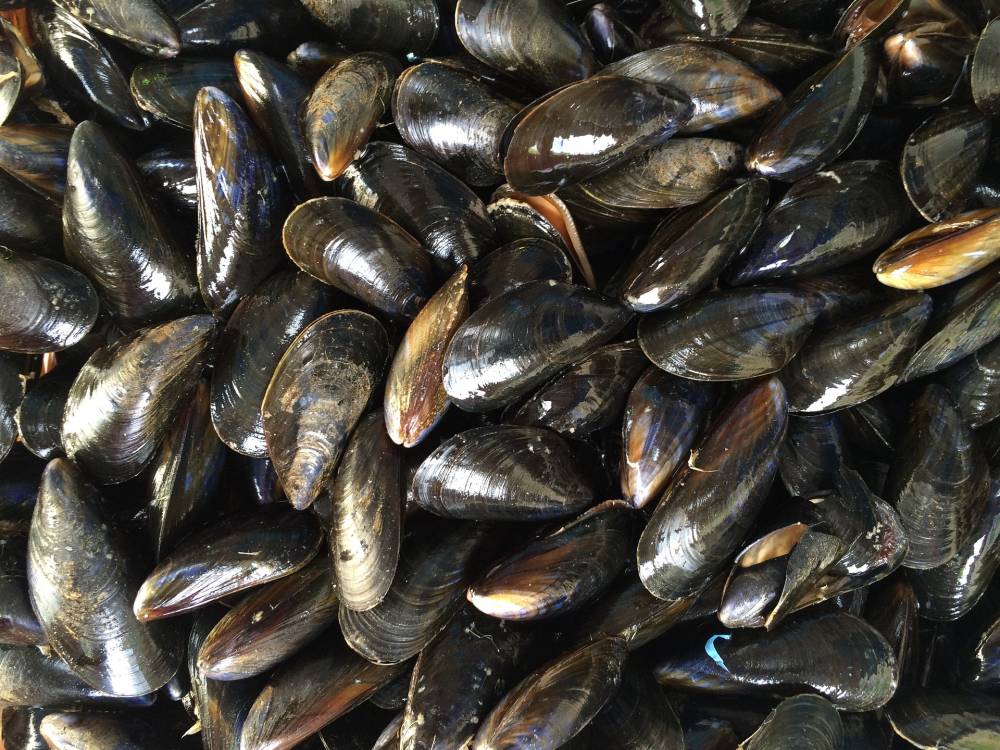
In a statement issued Saturday, March 16, the Department of Health (DOH) and the Department of Agriculture - Bureau of Fisheries and Aquatic Resources (DA-BFAR) warned the public against consuming shellfish from the identified areas including the coastal waters of Milagros in Masbate; Dauis and Tagbilaran City in Bohol; Dumanquillas Bay in Zamboanga del Sur; San Pedro Bay in Samar; Matarinao Bay in Eastern Samar; and the Coastal Waters of San Benito in Surigao del Norte.
DOH Secretary Teodoro Herbosa also emphasized the importance of swift action in cases of symptoms after consuming contaminated shellfish, urging individuals to seek immediate medical attention at the nearest emergency room.
“Prevention is the best: do not eat tahong, talaba, halaan, other shellfish, and alamang from areas identified with toxic red tide," he said.
Herbosa also urged the public to always read advisories from DA-BFAR and the DOH.
Moreover, he directed all hospitals to "prepare for these cases and to report them accordingly."
The symptoms of paralytic shellfish poisoning, as per DOH, can emerge within 12 hours of ingestion, encompassing numbness, dizziness, weakness, and gastrointestinal discomfort.
Other symptoms may include numbness around the mouth or face, pricking sensations, difficulty in speech or swallowing, and headaches, DOH said.
The health department stressed that all varieties of shellfish, such as mussels, oysters, clams, and alamang (Acetes sp.), collected from these regions are deemed “unsafe for consumption.”
However, the DOH clarified that fish, squid, shrimp (except their heads), and crabs remain “safe” to eat if they are fresh and thoroughly washed, and their internal organs, including gills and intestines, are removed before cooking.
Related to this, DOH called for vigilance and adherence to safety guidelines to safeguard public health against the dangers of toxic red tide contamination.