






 Philippines
National
NDRRMC says taking decisive actions as El Niño agri damage reaches P1.2 B
Philippines
National
NDRRMC says taking decisive actions as El Niño agri damage reaches P1.2 B
NDRRMC says taking decisive actions as El Niño agri damage reaches P1.2 B


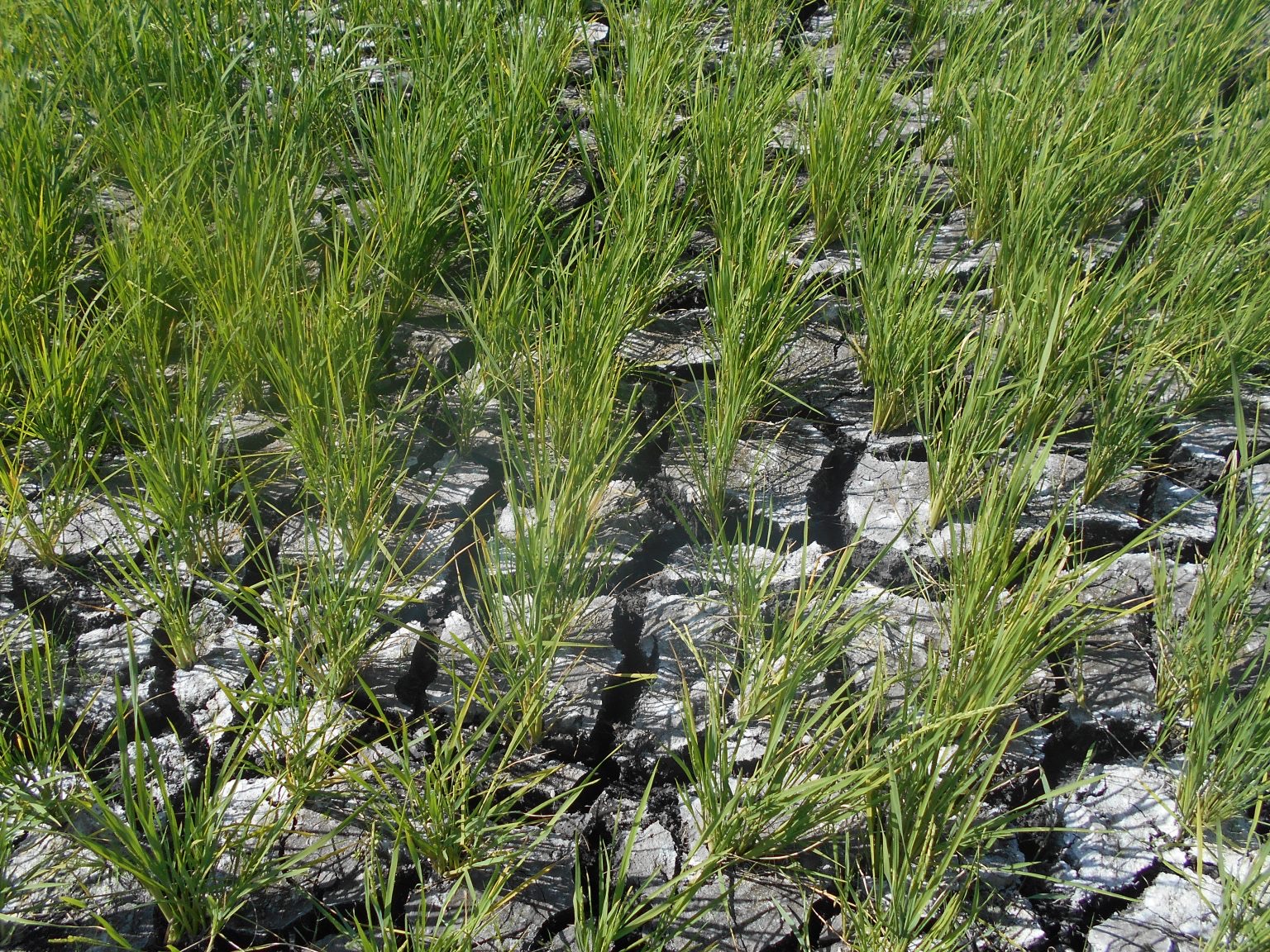
The National Disaster Risk Reduction and Management Council (NDRRMC) said Tuesday, March 12, that it was taking decisive actions to address the impact of El Niño to the country's agriculture sector.
The damage to agriculture due to the weather phenomenon has already reached P1,236,853,305.08, according to the Council. A total of 29,409 farmers and fisherfolk were affected nationwide.
"The National Disaster Risk Reduction and Management Council through the Task Force El Niño is taking decisive actions to mitigate the impacts of El Niño as it threatens the communities with severe drought and extreme weather," it said.
It said the Department of Agriculture (DA) has taken steps to improve the water management systems in provinces affected by El Niño.
These include the enhancement of 797.99 kilometers of irrigation canal; rehabilitation of 40 units of small-scale irrigation systems; distribution of 1,576 units of irrigation network services; conduct of cloud seeding operations; and construction of 90 small farm reservoirs through “Project Local Adaptation to Water Access” to support the food security of the Department of Social Welfare and Development (DSWD).
The DA also distributed 60,013 native animals to 334 groups and 534 individual farmers through the Philippine Native Animal Development Program to support the livelihood of those affected by the prolonged drought.
The agriculture department also provided 111 diversified alternative livelihoods and technologies for fisherfolk in Cordillera Administrative Region (CAR), Bicol Region (Region 5), Central Visayas (Region 7), and Zamboanga Peninsula (Region 9).
Meanwhile, the Department of Energy (DOE) assured that it was closely monitoring the timely completion of power generation and transmission projects to ensure there will be a sufficient supply of electricity.
The Department of Health (DOH), for its part, said the hospitals are ready to accommodate potential surge of patients due to summer-related diseases and illnesses. It said an inventory of water and energy capacity storage in health facilities was conducted, as well as an updating of surge capacity and continuity plans and prepositioning of health commodities.
The Department of Environment and Natural Resources (DENR) also reduced the allocations for both the National Irrigation Administration (NIA) and Metropolitan Waterworks and Sewerage System (MWSS) “to conserve the available water supply.”
The DENR advised the public to “employ water supply until the onset of the rainy season.”
Western Visayas hardest hit
The NDRRMC said that Western Visayas (Region 6) was bearing the brunt of El Nino’s impact. The total recorded damage to agriculture in the region was around P678 million.
It was followed by Mimaropa in Region 4B (Occidental and Oriental Mindoro, Marinduque, Romblon, Palawan) with total damage to agriculture at P319 million; Cagayan Valley (Region 2) at P120 million; Ilocos Region (Region 1) at P54 million; Calabarzon in Region 4A (Cavite, Laguna, Batangas, Rizal, Quezon) at P2.75 million; and Zamboanga Peninsula (Region 9) at P717,527.
Four areas have so far declared a state of calamity due to the impact of El Niño: Bulalaco (San Pedro) and Mansalay towns in Oriental Mindoro, Looc town in Occidental Mindoro, and Zamboanga City in Zamboanga del Sur.