







7 ingenious ways to pass the time during traffic hours


At A Glance
- Metro Manila secures its place among the cities with the worst traffic congestion globally, presenting a daily struggle for commuters. Despite the challenges, the article highlights the potential to transform stressful traffic moments into opportunities for productivity and relaxation with the right mindset and the aid of technology.
- Emphasizing safety as a top priority, the article suggests leveraging technology to navigate and cope with Metro Manila's notorious traffic congestion. While cautioning against distractions behind the wheel, it encourages commuters to adopt a positive mindset, making the most of traffic downtime for activities that enhance productivity and relaxation, ultimately reshaping the commuting experience.
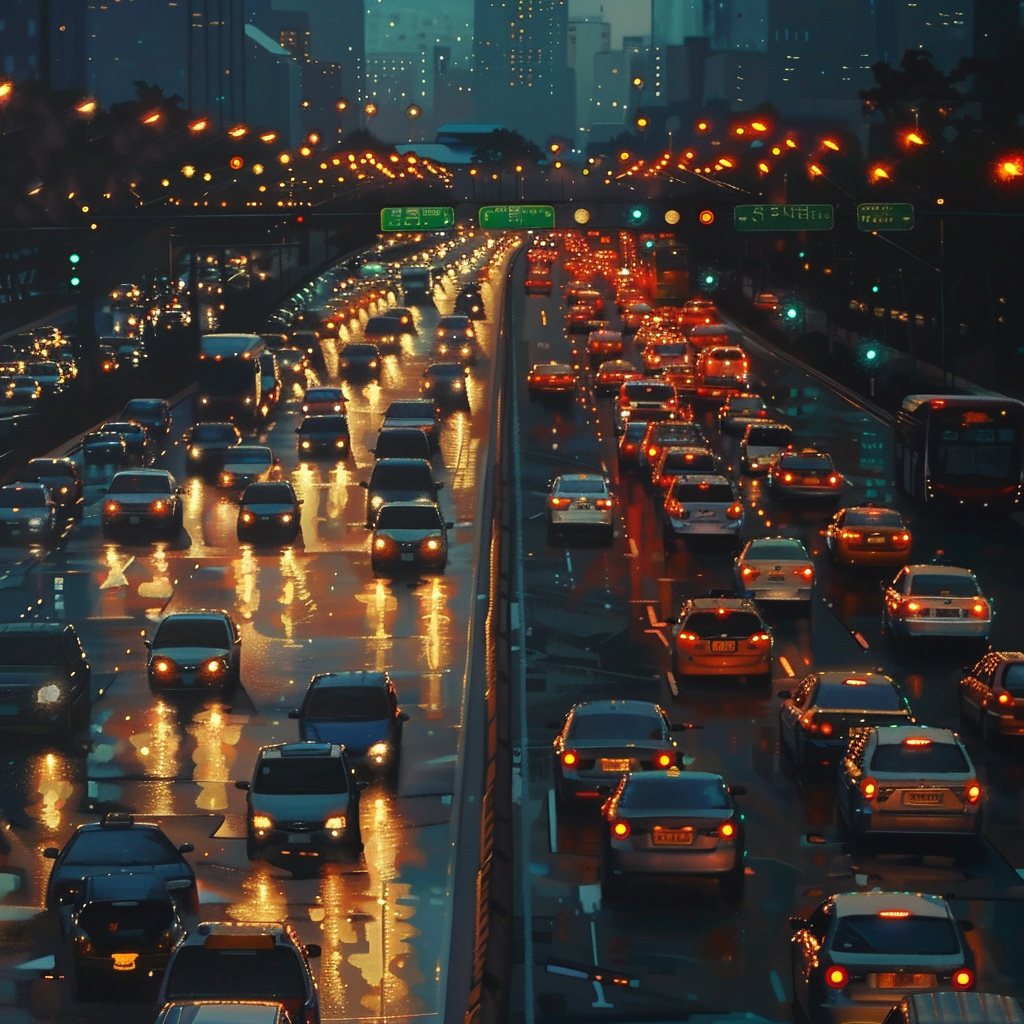
Metro Manila holds the record for having one of the worst traffic congestions among all the cities in the world. Navigating the country's traffic congestion can be a daily struggle for commuters. Still, with the right mindset and the help of technology, you can turn these stressful moments into opportunities for productivity and relaxation. Needless to say, it is crucial to note that safety comes first and that you must avoid distractions behind the wheel, so you should only engage in these activities when you're stuck in traffic. Here are seven ingenious ways to pass the time during traffic hours.
- Curate the ultimate road trip playlist. No one likes driving or traveling in silence. With music streaming apps now at your fingertips, you can tailor a selection of songs that cater to your mood and enhance your driving experience. One road trip etiquette is ensuring the driver is satisfied with the tunes blasting on the radio, as they need to stay alert while on the road. A well-curated playlist can significantly change the driving experience.
- Listen to Podcasts and Audiobooks. Podcasts and audiobooks are rising feats in the world of audio entertainment. With so many genres and topics to choose from, you can turn your daily commute into a less-dreadful, knowledge-packed adventure. The vast array of online content allows you to stay informed and educated. You can also switch genres occasionally to gain surface knowledge on other topics. Audiobooks and podcasts are engaging alternatives to traditional radio; through them, you can transform your car into a mobile learning and entertainment hub.
- Brain-training apps and games. Make the most of your travel time by challenging your cognitive abilities and downloading brain-training or puzzle apps. Even social media apps like Instagram and TikTok have fun educational filters. These applications offer a plethora of mind-stimulating games that make the minutes fly by and provide you with a beneficial mental workout. Engaging in mental exercises can turn your commute into an opportunity for personal growth.
- Stay connected with voice messages. Connectivity is key. Using voice messaging apps to stay connected with loved ones ensures your safety. You can share updates or engage in casual conversations using voice messages. This allows you to maintain communication while focusing on the road ahead. I will reiterate the no texting while driving rule, but this is a safer alternative to texting and ensures that your attention remains right where it should be — on driving.
- Learn a new language on the go. Leverage language-learning apps and turn your commute into a learning session. Language-learning apps offer bite-sized lessons, making learning easy when stuck in traffic. Depending on your skill level, each lesson can take a minute to five minutes or more. Learning a new language adds a valuable skill to your repertoire and maximizes your time inside the car by turning it into a platform for continuous personal enrichment.
- Plan and Organize with Productivity Apps. Being stuck in traffic can make you feel like time is wasted, but it doesn't have to remain that way. Utilize productivity apps to plan your day, set goals, and organize tasks while stuck in traffic. From daily to-do lists to calendar reminders, productivity apps can help you optimize your time inside and outside the car.
- Mindfulness and Relaxation Techniques. The combination of traffic and reckless drivers in Metro Manila can drive any commuter into road rage— combat stress and road rage by incorporating mindfulness and relaxation techniques into your daily commute. Guided meditation can assist you in staying calm and centered, ensuring you stay level headed while going through the traffic. These practices contribute to a more positive mindset during your journey and provide an overall improvement in your mental health.
SAFETY FIRST
With the never-ending construction of new highways and infrastructures, Metro Manila's traffic is unavoidable, but the time spent in your car can be productive. Embrace the possibilities of technology and transform your commute into a time of personal growth, relaxation, and entertainment. Use the slow crawl through traffic as an opportunity to expand your horizons with audiobooks or language learning.
A critical note: these tips are intended for stationary traffic, not for when you're on the move. Safety should always be the priority, ensuring a secure journey for both yourself and your fellow commuters. For passengers, stay vigilant and watch for any traffic incidents.
While the road ahead may be filled with brake lights and congestion, your time in the driver's seat can be surprisingly enriching. Technological possibilities are at your fingertips, so embrace them and transform your daily commute into a time of unexpected positivity and personal enjoyment.