







Yes, men can be abused, too
And worse, they're mocked


At A Glance
- 'Because men can also be victims of domestic violence, they equally need attention and help.'
I enjoy staying at home for long periods at a time. I have my routine. I have my study with all the various materials and tools for various arts and craft projects, the computer, internet, phone to keep me in touch with the outside world, delivery service for replenishing of supplies. In fact, I often joke to my kids to think of me as their lighthouse, standing strong, steady, and constant.
Don’t get me wrong I like the outdoors as well, but being ensconced in my own private domain brings joy to me. My husband is quite the opposite, an extrovert who revel in the company of people, especially when surrounded by good food and drink!
I sometimes wonder if there are more people like me who are content in the domestic experience. Going through some academic articles online to find out more about this domestic contentment, I was reminded that not all domestic experiences are blissful.
In fact, the home can be a very dangerous place. I remember during the pandemic and the universal “stay at home orders” declared by governments across the globe then, the now UK Queen Consort Camilla warned against the dangers to women who would be left vulnerable at home on account of the lockdown. In an article by Erin J, Campbell and OlivierVallerand, “Approaching Home: New Perspectives on the Domestic Interior,” the researchers found that “staying at home is contributing to increased depression, domestic violence, alcohol consumption... For women, in particular, the home can be a dangerous place, and not because of strangers but because of family members.”
In the Philippines, the primary statute addressing domestic violence is Republic Act No. 9262 or the Anti-Violence Against Women and Their Children Act of 2004 (VAWC Act), which defines such violence as “any act or a series of acts committed by any person against a woman who is his wife, former wife, or a woman with whom the person has or had sexual or dating relationship, or with whom he has a common child, whether or not the act is committed within or outside the family abode.”
It must be noted that the VAWC act is notable since it acknowledges different forms of violence that can result in “physical, sexual, or psychological harm or suffering, or economic abuse.” Those who commit domestic violence will be subject to the Revised Penal Code of the Philippines, which “penalizes crimes that are usually gender-based, such as rape, acts of lasciviousness, seduction, abduction, intentional and unintentional abortion, physical injuries, and threats and coercion. By the way, RA 9262 also applies to men. According to reports, “incidence of male abuse is on the rise, affecting 12-15 out of every 100 couples in the country.”
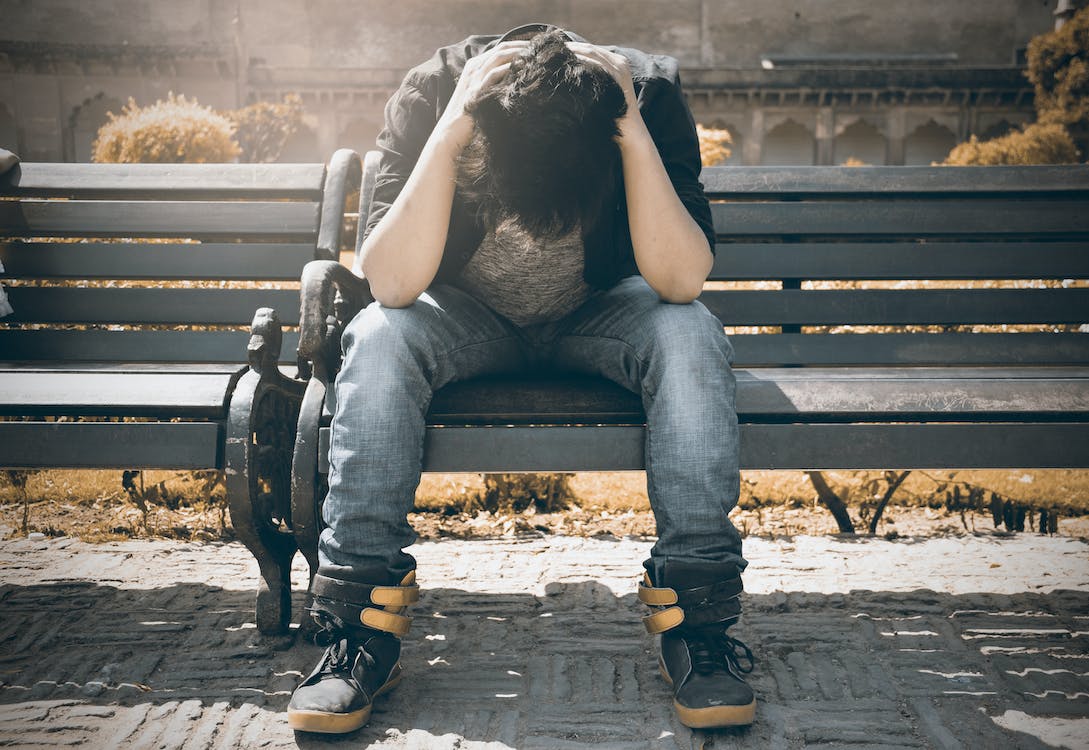
As anti-domestic abuse advocate Emiliano Manahan says, “majority of male victims of domestic abuse do not even see themselves as victims. Worse, the problem of male do mestic abuse—physical, emotional, sexual, and financial—has been trivialized and made the subject of jokes.” Manahan says, “Because men can also be victims of domestic violence, they equally need attention and help.”
A study by Danielito Dimaano Jimenez en- titled, “Debunking the Non-Existence of Domestic Violence Against Men: A Basis to Revisit Republic Act 9262,” presented evidence that “domestic abuse against men is real. There is an urgent necessity to provide justice for all victims of domestic abuse, including men, who are not immune to domestic abuse and its damaging effects.” Jimenez adds, “Ultimately, protecting victims of domestic abuse is not only for the sake of the victims, but also for society as a whole.
Domestic abuse against men may not only lead to psychological and physical abuse but could also seriously endanger lives. While physical or sexual and psychological abuse against women is concededly widespread, this is not enough reason to downplay what other men equally suffer. Abuse, after all, is neither confined to the physical domain nor limited to a matter of strength.
Control, power, influence, constant bullying, intimidation, and browbeating are also more common factors that result in domestic male abuse, which similarly results in serious psychological damage.”
“The enormous effects of “Emotional Abuse,” “Controlling Behavior,” and “Psychological Abuse,” according to Jimenez, “cannot be undermined and need to be addressed in the Philippines.” If you or someone you know is experiencing domestic abuse in the Philippines, please report to the Philippine National Police (PNP) by going to the police station or by dialing 911 Or call 1343, the Department of Social Welfare and Development national hotline for domestic violence. You may also report the case to your local barangay officials, who can provide assistance and “help mediate conflict,” an NGO that specializes in domestic violence, or, for legal assistance, the Public Attorney’s Office.