

ADVERTISEMENT

Four nations, one choice

What nation do you fall under in Avatar: The Last Airbender?

Published Feb 9, 2024 04:47 am

At A Glance

  • Water. Earth. Fire. Air. Long ago, the four nations lived together in harmony. Then, everything changed when the Fire Nation attacked. Only the Avatar, master of all four elements, could stop them, but when the world needed hi most, he vanished.

After the trailer for Netflix’s live-action adaptation of Avatar: The Last Airbender
dropped, the popularity of the Nickelodeon animated series grew once more.
Fans have been quick to share their favorite scenes and excitement for what’s
to come.

For those unaware of the series, Avatar: The Last Airbender is set in a world where humans can control four major elements— Water, earth, fire, and air. Each of these four elements has its unique traits, strengths, and weaknesses. It’s time to choose what nation you fall under.

Young_Katara_throwing_a_snowball.webp

Water Tribe
Do you like cold weather and seafood? Do you try to solve things peacefully first before letting things escalate? Water Tribe folk are known for their calm and non-confrontational nature. But when push comes to shove, they’re fierce and stand up for what they feel is right. Healing others is also one of their best skills due to their compassionate nature. Being a member of the Water Tribe means you’re not afraid to pull your weight in helping out since you’ll be living in harsh conditions. This also means you have a family-first mindset, always making sure those around you are taken care of before attending to your own needs.

Toph_Beifong.webp

Earth Kingdom
Are you tough, loud, and always have the urge to be heard? As a citizen of the Earth Kingdom, you’re never one to back down from a fight. You’re outspoken and are proud of your nation. As Earthbenders deal with controlling the land, it involves having a strong, hardy nature. You tend to be carefree, however, confident as you are in your earthbending skills. If you’re an easygoing type who doesn’t mind winging it from time to time, if you aren’t stressed by any problem thrown your way, this is the place for you.

Zuko_fight.webp

Fire Nation
Although the members of the Fire nation are depicted as the main antagonists of the show, they have traits you might find relatable. For starters, honor is of utmost importance for firebenders. As a firebender you stick to your beliefs, only changing when absolutely necessary to further better yourself. You are
fierce, independent, determined to reach your goals, and ready to act on your own, making you a resourceful type. But that doesn’t mean you don’t have time to enjoy the little things like drinking a hot cup of tea and having deep conversations with friends and family.
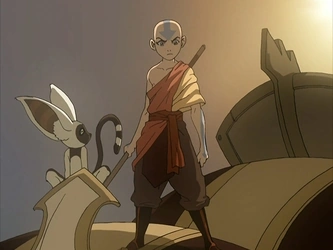
Aang_determined.webp

Air Nomads
Do you mostly wish you could get away and explore what’s out there? Air Nomads dedicate their life to one without worldly attachments. You’re never afraid to go out of your comfort zone as you seek adventure. This is a life barely faced with challenges, as Air Nomads try to find joy even under unfavorable circumstances. With your jovial nature and by keeping those around you happy, you feel at peace no matter what gets thrown your way. It’s the perfect place for those who feel young at heart and have a taste for anything different and new.

Related Tags

Manila Bulletin Lifestyle Poch Eulalia Avatar
ADVERTISEMENT
.most-popular .layout-ratio{ padding-bottom: 79.13%; } @media (min-width: 768px) and (max-width: 1024px) { .widget-title { font-size: 15px !important; } }

{{ articles_filter_1561_widget.title }}

.most-popular .layout-ratio{ padding-bottom: 79.13%; } @media (min-width: 768px) and (max-width: 1024px) { .widget-title { font-size: 15px !important; } }

{{ articles_filter_1562_widget.title }}

.most-popular .layout-ratio{ padding-bottom: 79.13%; } @media (min-width: 768px) and (max-width: 1024px) { .widget-title { font-size: 15px !important; } }

{{ articles_filter_1563_widget.title }}

{{ articles_filter_1564_widget.title }}

.mb-article-details { position: relative; } .mb-article-details .article-body-preview, .mb-article-details .article-body-summary{ font-size: 17px; line-height: 30px; font-family: "Libre Caslon Text", serif; color: #000; } .mb-article-details .article-body-preview iframe , .mb-article-details .article-body-summary iframe{ width: 100%; margin: auto; } .read-more-background { background: linear-gradient(180deg, color(display-p3 1.000 1.000 1.000 / 0) 13.75%, color(display-p3 1.000 1.000 1.000 / 0.8) 30.79%, color(display-p3 1.000 1.000 1.000) 72.5%); position: absolute; height: 200px; width: 100%; bottom: 0; display: flex; justify-content: center; align-items: center; padding: 0; } .read-more-background a{ color: #000; } .read-more-btn { padding: 17px 45px; font-family: Inter; font-weight: 700; font-size: 18px; line-height: 16px; text-align: center; vertical-align: middle; border: 1px solid black; background-color: white; } .hidden { display: none; }
function initializeAllSwipers() { // Get all hidden inputs with cms_article_id document.querySelectorAll('[id^="cms_article_id_"]').forEach(function (input) { const cmsArticleId = input.value; const articleSelector = '#article-' + cmsArticleId + ' .body_images'; const swiperElement = document.querySelector(articleSelector); if (swiperElement && !swiperElement.classList.contains('swiper-initialized')) { new Swiper(articleSelector, { loop: true, pagination: false, navigation: { nextEl: '#article-' + cmsArticleId + ' .swiper-button-next', prevEl: '#article-' + cmsArticleId + ' .swiper-button-prev', }, }); } }); } setTimeout(initializeAllSwipers, 3000); const intersectionObserver = new IntersectionObserver( (entries) => { entries.forEach((entry) => { if (entry.isIntersecting) { const newUrl = entry.target.getAttribute("data-url"); if (newUrl) { history.pushState(null, null, newUrl); let article = entry.target; // Extract metadata const author = article.querySelector('.author-section').textContent.replace('By', '').trim(); const section = article.querySelector('.section-info ').textContent.replace(' ', ' '); const title = article.querySelector('.article-title h1').textContent; // Parse URL for Chartbeat path format const parsedUrl = new URL(newUrl, window.location.origin); const cleanUrl = parsedUrl.host + parsedUrl.pathname; // Update Chartbeat configuration if (typeof window._sf_async_config !== 'undefined') { window._sf_async_config.path = cleanUrl; window._sf_async_config.sections = section; window._sf_async_config.authors = author; } // Track virtual page view with Chartbeat if (typeof pSUPERFLY !== 'undefined' && typeof pSUPERFLY.virtualPage === 'function') { try { pSUPERFLY.virtualPage({ path: cleanUrl, title: title, sections: section, authors: author }); } catch (error) { console.error('ping error', error); } } // Optional: Update document title if (title && title !== document.title) { document.title = title; } } } }); }, { threshold: 0.1 } ); function showArticleBody(button) { const article = button.closest("article"); const summary = article.querySelector(".article-body-summary"); const body = article.querySelector(".article-body-preview"); const readMoreSection = article.querySelector(".read-more-background"); // Hide summary and read-more section summary.style.display = "none"; readMoreSection.style.display = "none"; // Show the full article body body.classList.remove("hidden"); } document.addEventListener("DOMContentLoaded", () => { let loadCount = 0; // Track how many times articles are loaded const offset = [1, 2, 3, 4, 5, 6, 7, 8, 9, 10]; // Offset values const currentUrl = window.location.pathname.substring(1); let isLoading = false; // Prevent multiple calls if (!currentUrl) { console.log("Current URL is invalid."); return; } const sentinel = document.getElementById("load-more-sentinel"); if (!sentinel) { console.log("Sentinel element not found."); return; } function isSentinelVisible() { const rect = sentinel.getBoundingClientRect(); return ( rect.top < window.innerHeight && rect.bottom >= 0 ); } function onScroll() { if (isLoading) return; if (isSentinelVisible()) { if (loadCount >= offset.length) { console.log("Maximum load attempts reached."); window.removeEventListener("scroll", onScroll); return; } isLoading = true; const currentOffset = offset[loadCount]; window.loadMoreItems().then(() => { let article = document.querySelector('#widget_1690 > div:nth-last-of-type(2) article'); intersectionObserver.observe(article) loadCount++; }).catch(error => { console.error("Error loading more items:", error); }).finally(() => { isLoading = false; }); } } window.addEventListener("scroll", onScroll); });

Sign up by email to receive news.