

ADVERTISEMENT

Here's to a fruitful Year of the Dragon

These fruits are set to bring fortune this coming year

Published Feb 7, 2024 02:51 pm

At A Glance

  • To give a tangerine is a Chinese New Year's tradition. Stems are left on to keep friendship intact. — Diana Hollingsworth Gessler, <i>Very California: Travels Through the Golden State</i>

Chinese New Year marks a special occasion when families gather and celebrate the start of the lunar new year. It’s also a splendid time rife with Chinese rituals, beliefs, and delicacies. How many of you have asked your Chinese friends for that box of tikoy? But perhaps more important on Chinese New Year celebratory table are the 12 fruits placed on the table to bring in the good ch’i, ward off evil, and keep family and friends together. 


While the Western New Year celebration requires 12 round fruits to represent each of the months of the year, Chinese New Year in the Year of the Dragon is more economical in this particular tradition, requiring only five fruits.
Here are the five lucky fruits recommended by feng shui master Patrick Lim Fernandez of Yin & Yang Shop of Harmony.
pexels-photo-5945762.jpg

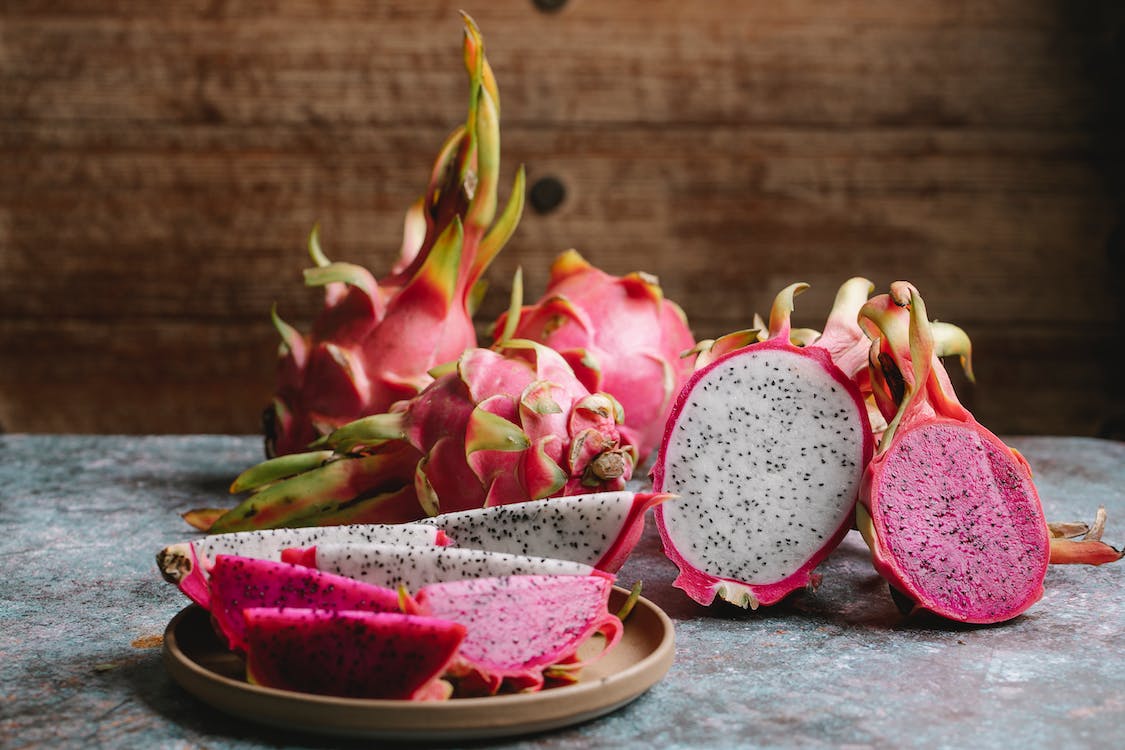
Dragon fruit

It should be self-explanatory why dragon fruit stands at the top of this list. Standing out from the rest due to its vibrant colors, legends say that the dragon fruit was created by firebreathing dragons. As the dragons breathed out fire, dragon fruits were said to come out as well. Due to its bright red colors, the fruit is associated with good luck. This makes it a crucial fruit to include this year to
ensure prosperity in the family.
pexels-photo-3584910.jpg

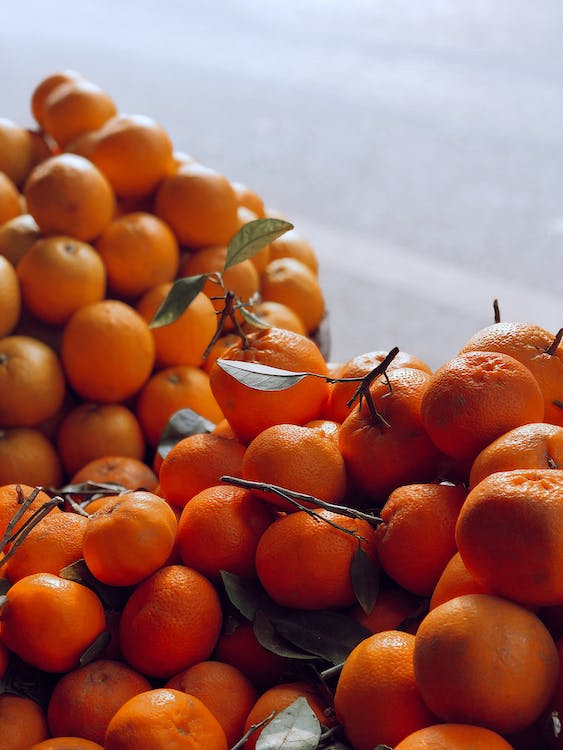
Mandarin oranges

Mandarin oranges have long been associated with this special holiday due to its roots in Chinese tradition. It is customary to present oranges to friends and family to wish them good fortune. The mandarin orange is also seen as a symbol of wealth since its bright color and round shape are said to mimic gold coins.
pexels-photo-4110334.jpg

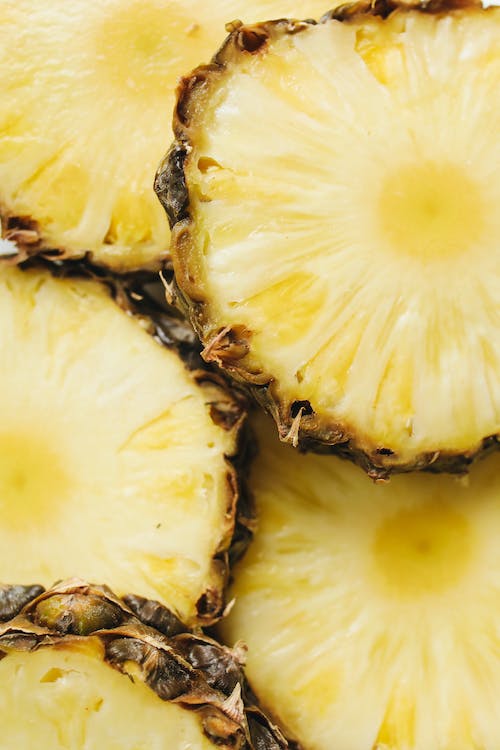
Pineapples
Aside from serving as a home for a beloved sponge, the pineapple is seen as a symbol of wealth and prosperity due to its golden appearance. Presenting it to others means you are wishing them a prosperous year. In Cantonese, pineapple is referred to as ong lai, which directly translates to “fortune come.”
pexels-photo-9467671.jpg

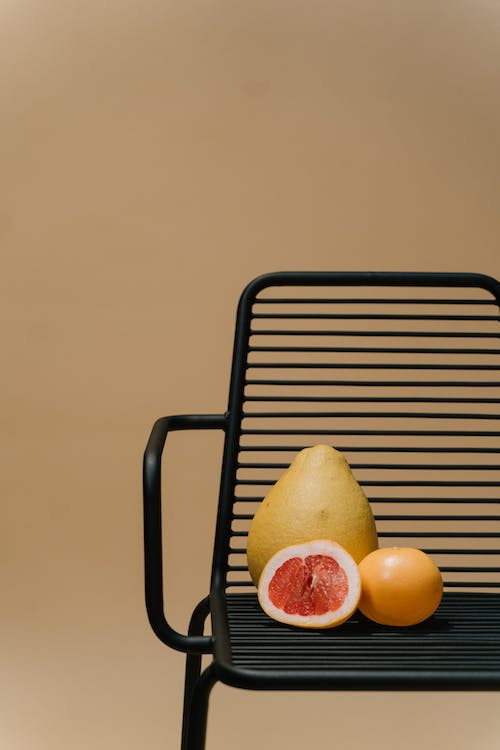
Pomelo
As Chinese New Year serves as a time for most families that celebrate it to reunite, pomelo serves as a perfect fruit to have on the table because it symbolizes family unity. Its Chinese pronunciation also sounds similar to the phrase “you have.” Placing this on the table means strengthening the bond of your family and continued success for everyone.
pexels-photo-102104.webp

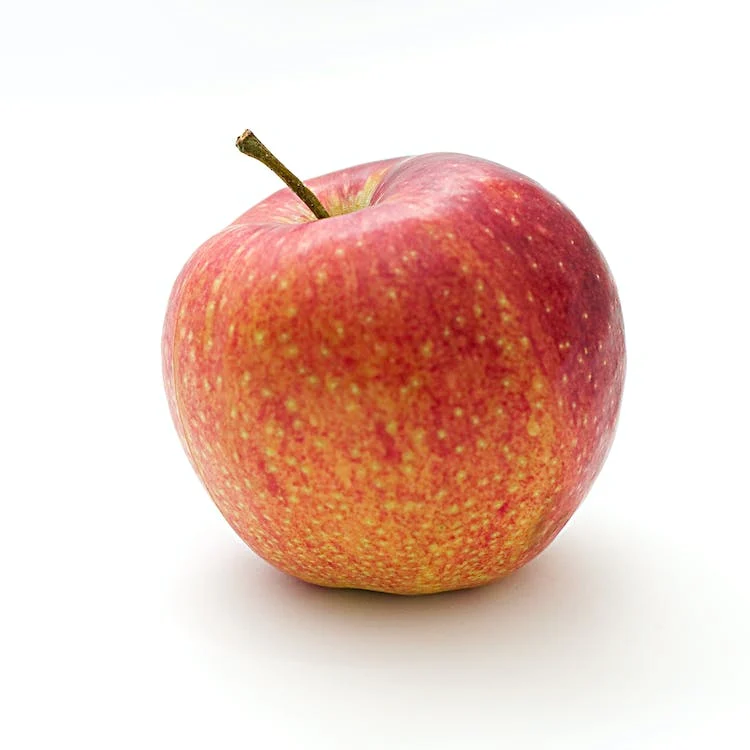
Apple
If Westerners believe an apple a day can keep the doctor away, Easterners find apples to be a bringer of wealth and good luck. Green apples symbolize money whereas red apples bring luck. In Chinese culture, the translation for apple, ping guo, refers to “peace.” Through this, the family hopes to be at peace throughout the year.

Related Tags

Manila Bulletin Lifestyle Poch Eulalia Lunar New Year
ADVERTISEMENT
.most-popular .layout-ratio{ padding-bottom: 79.13%; } @media (min-width: 768px) and (max-width: 1024px) { .widget-title { font-size: 15px !important; } }

{{ articles_filter_1561_widget.title }}

.most-popular .layout-ratio{ padding-bottom: 79.13%; } @media (min-width: 768px) and (max-width: 1024px) { .widget-title { font-size: 15px !important; } }

{{ articles_filter_1562_widget.title }}

.most-popular .layout-ratio{ padding-bottom: 79.13%; } @media (min-width: 768px) and (max-width: 1024px) { .widget-title { font-size: 15px !important; } }

{{ articles_filter_1563_widget.title }}

{{ articles_filter_1564_widget.title }}

.mb-article-details { position: relative; } .mb-article-details .article-body-preview, .mb-article-details .article-body-summary{ font-size: 17px; line-height: 30px; font-family: "Libre Caslon Text", serif; color: #000; } .mb-article-details .article-body-preview iframe , .mb-article-details .article-body-summary iframe{ width: 100%; margin: auto; } .read-more-background { background: linear-gradient(180deg, color(display-p3 1.000 1.000 1.000 / 0) 13.75%, color(display-p3 1.000 1.000 1.000 / 0.8) 30.79%, color(display-p3 1.000 1.000 1.000) 72.5%); position: absolute; height: 200px; width: 100%; bottom: 0; display: flex; justify-content: center; align-items: center; padding: 0; } .read-more-background a{ color: #000; } .read-more-btn { padding: 17px 45px; font-family: Inter; font-weight: 700; font-size: 18px; line-height: 16px; text-align: center; vertical-align: middle; border: 1px solid black; background-color: white; } .hidden { display: none; }
function initializeAllSwipers() { // Get all hidden inputs with cms_article_id document.querySelectorAll('[id^="cms_article_id_"]').forEach(function (input) { const cmsArticleId = input.value; const articleSelector = '#article-' + cmsArticleId + ' .body_images'; const swiperElement = document.querySelector(articleSelector); if (swiperElement && !swiperElement.classList.contains('swiper-initialized')) { new Swiper(articleSelector, { loop: true, pagination: false, navigation: { nextEl: '#article-' + cmsArticleId + ' .swiper-button-next', prevEl: '#article-' + cmsArticleId + ' .swiper-button-prev', }, }); } }); } setTimeout(initializeAllSwipers, 3000); const intersectionObserver = new IntersectionObserver( (entries) => { entries.forEach((entry) => { if (entry.isIntersecting) { const newUrl = entry.target.getAttribute("data-url"); if (newUrl) { history.pushState(null, null, newUrl); let article = entry.target; // Extract metadata const author = article.querySelector('.author-section').textContent.replace('By', '').trim(); const section = article.querySelector('.section-info ').textContent.replace(' ', ' '); const title = article.querySelector('.article-title h1').textContent; // Parse URL for Chartbeat path format const parsedUrl = new URL(newUrl, window.location.origin); const cleanUrl = parsedUrl.host + parsedUrl.pathname; // Update Chartbeat configuration if (typeof window._sf_async_config !== 'undefined') { window._sf_async_config.path = cleanUrl; window._sf_async_config.sections = section; window._sf_async_config.authors = author; } // Track virtual page view with Chartbeat if (typeof pSUPERFLY !== 'undefined' && typeof pSUPERFLY.virtualPage === 'function') { try { pSUPERFLY.virtualPage({ path: cleanUrl, title: title, sections: section, authors: author }); } catch (error) { console.error('ping error', error); } } // Optional: Update document title if (title && title !== document.title) { document.title = title; } } } }); }, { threshold: 0.1 } ); function showArticleBody(button) { const article = button.closest("article"); const summary = article.querySelector(".article-body-summary"); const body = article.querySelector(".article-body-preview"); const readMoreSection = article.querySelector(".read-more-background"); // Hide summary and read-more section summary.style.display = "none"; readMoreSection.style.display = "none"; // Show the full article body body.classList.remove("hidden"); } document.addEventListener("DOMContentLoaded", () => { let loadCount = 0; // Track how many times articles are loaded const offset = [1, 2, 3, 4, 5, 6, 7, 8, 9, 10]; // Offset values const currentUrl = window.location.pathname.substring(1); let isLoading = false; // Prevent multiple calls if (!currentUrl) { console.log("Current URL is invalid."); return; } const sentinel = document.getElementById("load-more-sentinel"); if (!sentinel) { console.log("Sentinel element not found."); return; } function isSentinelVisible() { const rect = sentinel.getBoundingClientRect(); return ( rect.top < window.innerHeight && rect.bottom >= 0 ); } function onScroll() { if (isLoading) return; if (isSentinelVisible()) { if (loadCount >= offset.length) { console.log("Maximum load attempts reached."); window.removeEventListener("scroll", onScroll); return; } isLoading = true; const currentOffset = offset[loadCount]; window.loadMoreItems().then(() => { let article = document.querySelector('#widget_1690 > div:nth-last-of-type(2) article'); intersectionObserver.observe(article) loadCount++; }).catch(error => { console.error("Error loading more items:", error); }).finally(() => { isLoading = false; }); } } window.addEventListener("scroll", onScroll); });

Sign up by email to receive news.