

ADVERTISEMENT

House bill to allow GSIS members to choose their beneficiaries

Published Feb 5, 2024 03:54 pm

At A Glance

  • A bill that aims to allow members of the Government Service Insurance System (GSIS) to designate a beneficiary of their choice has been filed in the House of Representatives.
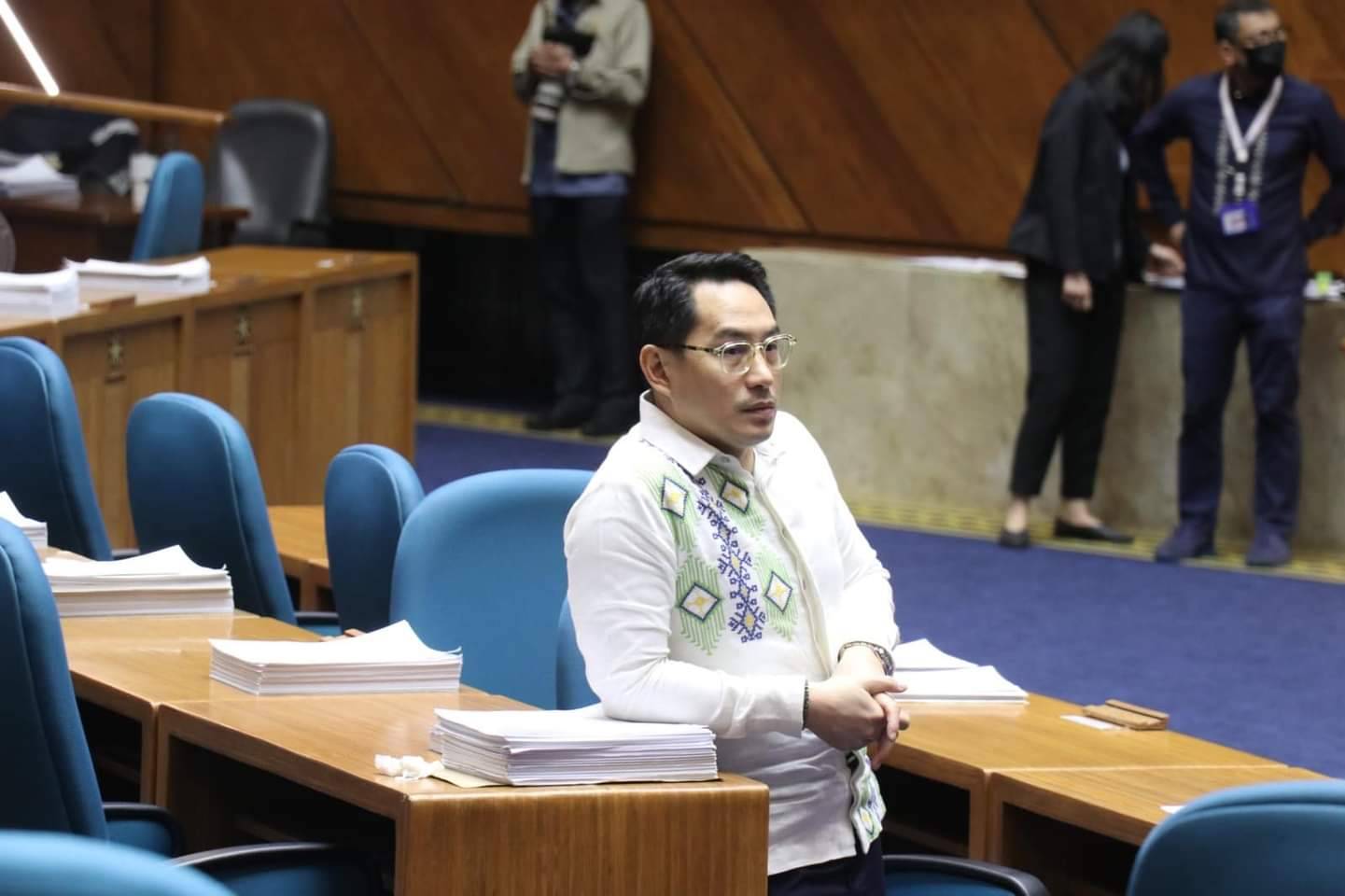
Death of gov's 4 bodyguards 'heartbreaking'--Cong AdiongLanao del Sur 1st district Rep. Zia Alonto Adiong (Facebook)


A bill that aims to allow members of the Government Service Insurance System (GSIS) to designate a beneficiary of their choice has been filed in the House of Representatives.

Penned by Lanao del Sur 1st district Rep. Zia Alonto Adiong, House Bill (HB) No. 9792 or “An Act Amending Presidential Decree No. 1146 as amended by Republic Act (RA) No. 8291 or the Government Service System Insurance Act of 1997” seeks to give GSIS members the right to pick their beneficiary in the absence of primary and secondary beneficiaries.

Under RA No. 8291, when a GSIS member dies, the survivorship benefits shall only be entitled to primary and secondary beneficiaries.

Primary beneficiaries include the surviving legal spouse and dependent children, whereas secondary beneficiaries include dependent parents and legitimate descendants, subject to the restrictions on dependent children.

In a statement on Monday, Feb. 5, Adiong said that his bill seeks to recognize single government employees who are unable to start their own family because of their devotion to public service.

“Mayroon silang mga mahal sa buhay na umaasa sa kanilang ibinibigay na tulong pinansyal at suporta para sa kanilang pang araw-araw na pangangailangan,” the lawmaker said.

(They have loved ones who depend on their financial assistance and support for their daily needs.)

“Sila ang tumatayong breadwinners, hindi lamang sa kanilang immediate family, kundi pati na rin sa kanilang extended relatives,” he added.

(They are the breadwinners, not only for their immediate family, but also for their extended relatives.)

HB No. 9792 seeks to expand the definition of secondary beneficiaries of the GSIS Law under Social Security Act of 2018 Republic Act 11199, Section 8 (k), by including “any other person designated by a member shall be his/her secondary beneficiary”.

While the bill eyes the improvement of GSIS member-centric accommodations, Adiong stressed that it will ultimately empower members to select the people they value the most as beneficiaries.

The bill is up for first reading.

Related Tags

zia alonto adiong GSIS beneficiaries
ADVERTISEMENT
.most-popular .layout-ratio{ padding-bottom: 79.13%; } @media (min-width: 768px) and (max-width: 1024px) { .widget-title { font-size: 15px !important; } }

{{ articles_filter_1561_widget.title }}

.most-popular .layout-ratio{ padding-bottom: 79.13%; } @media (min-width: 768px) and (max-width: 1024px) { .widget-title { font-size: 15px !important; } }

{{ articles_filter_1562_widget.title }}

.most-popular .layout-ratio{ padding-bottom: 79.13%; } @media (min-width: 768px) and (max-width: 1024px) { .widget-title { font-size: 15px !important; } }

{{ articles_filter_1563_widget.title }}

{{ articles_filter_1564_widget.title }}

.mb-article-details { position: relative; } .mb-article-details .article-body-preview, .mb-article-details .article-body-summary{ font-size: 17px; line-height: 30px; font-family: "Libre Caslon Text", serif; color: #000; } .mb-article-details .article-body-preview iframe , .mb-article-details .article-body-summary iframe{ width: 100%; margin: auto; } .read-more-background { background: linear-gradient(180deg, color(display-p3 1.000 1.000 1.000 / 0) 13.75%, color(display-p3 1.000 1.000 1.000 / 0.8) 30.79%, color(display-p3 1.000 1.000 1.000) 72.5%); position: absolute; height: 200px; width: 100%; bottom: 0; display: flex; justify-content: center; align-items: center; padding: 0; } .read-more-background a{ color: #000; } .read-more-btn { padding: 17px 45px; font-family: Inter; font-weight: 700; font-size: 18px; line-height: 16px; text-align: center; vertical-align: middle; border: 1px solid black; background-color: white; } .hidden { display: none; }
function initializeAllSwipers() { // Get all hidden inputs with cms_article_id document.querySelectorAll('[id^="cms_article_id_"]').forEach(function (input) { const cmsArticleId = input.value; const articleSelector = '#article-' + cmsArticleId + ' .body_images'; const swiperElement = document.querySelector(articleSelector); if (swiperElement && !swiperElement.classList.contains('swiper-initialized')) { new Swiper(articleSelector, { loop: true, pagination: false, navigation: { nextEl: '#article-' + cmsArticleId + ' .swiper-button-next', prevEl: '#article-' + cmsArticleId + ' .swiper-button-prev', }, }); } }); } setTimeout(initializeAllSwipers, 3000); const intersectionObserver = new IntersectionObserver( (entries) => { entries.forEach((entry) => { if (entry.isIntersecting) { const newUrl = entry.target.getAttribute("data-url"); if (newUrl) { history.pushState(null, null, newUrl); let article = entry.target; // Extract metadata const author = article.querySelector('.author-section').textContent.replace('By', '').trim(); const section = article.querySelector('.section-info ').textContent.replace(' ', ' '); const title = article.querySelector('.article-title h1').textContent; // Parse URL for Chartbeat path format const parsedUrl = new URL(newUrl, window.location.origin); const cleanUrl = parsedUrl.host + parsedUrl.pathname; // Update Chartbeat configuration if (typeof window._sf_async_config !== 'undefined') { window._sf_async_config.path = cleanUrl; window._sf_async_config.sections = section; window._sf_async_config.authors = author; } // Track virtual page view with Chartbeat if (typeof pSUPERFLY !== 'undefined' && typeof pSUPERFLY.virtualPage === 'function') { try { pSUPERFLY.virtualPage({ path: cleanUrl, title: title, sections: section, authors: author }); } catch (error) { console.error('ping error', error); } } // Optional: Update document title if (title && title !== document.title) { document.title = title; } } } }); }, { threshold: 0.1 } ); function showArticleBody(button) { const article = button.closest("article"); const summary = article.querySelector(".article-body-summary"); const body = article.querySelector(".article-body-preview"); const readMoreSection = article.querySelector(".read-more-background"); // Hide summary and read-more section summary.style.display = "none"; readMoreSection.style.display = "none"; // Show the full article body body.classList.remove("hidden"); } document.addEventListener("DOMContentLoaded", () => { let loadCount = 0; // Track how many times articles are loaded const offset = [1, 2, 3, 4, 5, 6, 7, 8, 9, 10]; // Offset values const currentUrl = window.location.pathname.substring(1); let isLoading = false; // Prevent multiple calls if (!currentUrl) { console.log("Current URL is invalid."); return; } const sentinel = document.getElementById("load-more-sentinel"); if (!sentinel) { console.log("Sentinel element not found."); return; } function isSentinelVisible() { const rect = sentinel.getBoundingClientRect(); return ( rect.top < window.innerHeight && rect.bottom >= 0 ); } function onScroll() { if (isLoading) return; if (isSentinelVisible()) { if (loadCount >= offset.length) { console.log("Maximum load attempts reached."); window.removeEventListener("scroll", onScroll); return; } isLoading = true; const currentOffset = offset[loadCount]; window.loadMoreItems().then(() => { let article = document.querySelector('#widget_1690 > div:nth-last-of-type(2) article'); intersectionObserver.observe(article) loadCount++; }).catch(error => { console.error("Error loading more items:", error); }).finally(() => { isLoading = false; }); } } window.addEventListener("scroll", onScroll); });

Sign up by email to receive news.