







FRONTIER Program: Rejuvenating PH textile industry


The Department of Science and Technology-Philippine Textile Research Institute (DOST-PTRI) launched the Fostering the Revitalization of Nascent Textile Innovation Ecosystems in the Region (FRONTIER) program, which aims to rejuvenate the local textile industry and create opportunities, particularly for regional inclusive development.
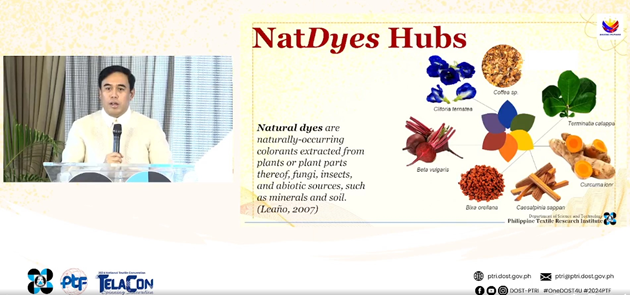
During the 2024 Philippine Tropical Fabrics (PTF) Month celebration on Jan. 30, DOST-PTRI Director Julius Leaño emphasized the importance of understanding the true impact of the textile industry on the Philippine economy at the National Textile Convention (TELACon).
“We can examine literature, data, or economic figures related to the textile industry, but it is challenging to put them all together. Different perspectives and various sets of numbers are presented. It makes one wonder about the true extent of the impact of the textile industry on the Philippine economy,” he said in a statement on Monday, Feb. 5.
The director emphasized that textiles and clothing are undeniably “essential to our basic needs.”
Implementation in reg’l centers
Leaño also stressed the importance of collaboration and democratizing access to facilities and innovation by empowering not only those in Metro Manila but also individuals in the region.
“The FRONTIER program is a rallying point not just for these hubs to take infusion but for us to come together,” he said.Under the FRONTIER program, the DOST-PTRI will deploy its existing technologies through various sub-programs, including Natural Textiles Technology Bamboo Textiles PH, Natural Dyes, and Philippine Silk—this means it will be tailored to the specific needs and contexts of each region, as the program aims to target one regional clothing and textile research innovation agenda per region this year.
The DOST also cited some of the ongoing initiatives of the DOST-PTRI, particularly in the regions.
These include the development of Natural Fiber Textiles Technology, Bamboo Textiles PH, Natural Dyes, and Philippine Silk.
Also, to ensure the success of the program, the Regional Yarn Production and Innovation Centers (RYPIC) again have been established in Iloilo City, Iligan City, Isabela, and Cotabato City—these centers will produce ready-to-weave yarns, eliminating the need for the yarns to be transported to Manila and then back to the communities.
"This not only improves trade and mobility but also promotes sustainability," Leaño said.
Meanwhile, the director also shared that the FRONTIER program was fortunately funded under the DOST’s General Appropriations Act for 2024 in its maiden year of operation.
In the year 2024, He revealed DOST-PTRI will be launching the Natural Textile Fiber Innovation Hub, one each in Catanduanes, Leyte, and Negros Occidental.
In addition, the Bamboo Textile Innovation Hub is set to launch this year in three locations, namely Lagangilang in Abra, Alaminos in Pangasinan, and Maramag in Bukidnon.
The Regional Handloom Weaving Innovation Centers will soon also established in six locations, namely Vintar in Ilocos Norte, Mangatarem in Pangasinan, Paracelis in Mountain Province, Signal Village in Taguig City, Maragondon in Cavite, Pandan in Catanduanes, as well as San Remigio in Antique.
Furthermore, the program targets include two large-scale textile companies to be engaged this year—one textile activity per province by 2025, one State Universities and Colleges (SUCs) engagement per province by 2026, one textile firm engaged or developed by 2024, and one textile innovation center per region by 2028.
“Quite a tall order, a self-imposed one, but these are expressions of operation of what we want to happen is that jobs are created, there are values added, and most importantly, an overall improvement in the vitality of the overall economic activity in the region,” the director added.