







Sweet! Cacao industry gets a boost from innovation


Cacao is a delicious and versatile bean that is used as the base for chocolate and has been an important part of Philippine agriculture for many centuries.
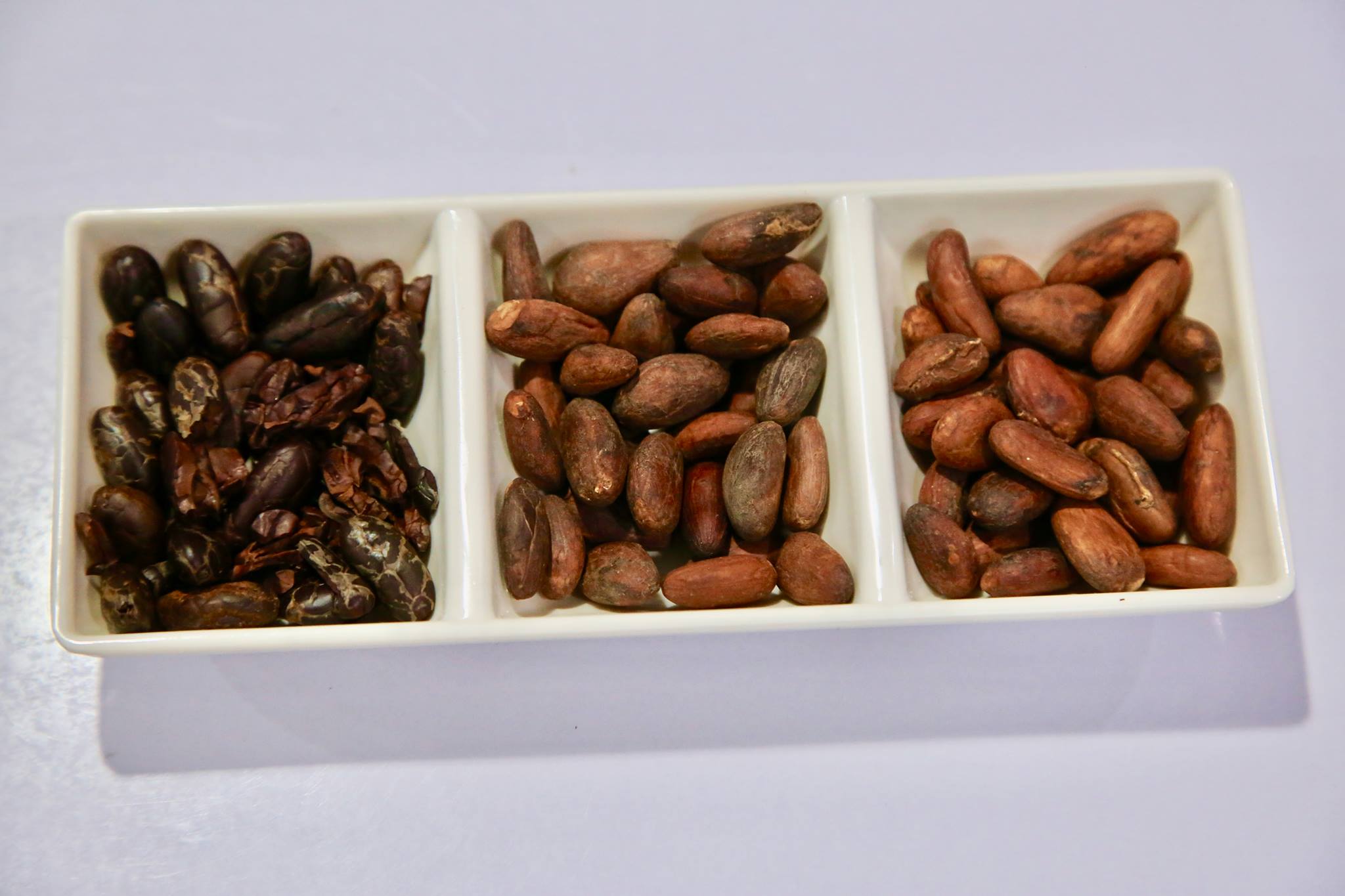
Unlike in other cacao-growing countries, Filipinos associate cacao with "tableya" not chocolate, because for them, chocolate is not a natural progression from cacao.
However, what goes into making this traditional Filipino product and how is Philippine technology shaping the future of the cacao industry?
Michelle E. Evaristo, a leading expert from the Department of Science and Technology-Industrial Technology Development Institute (DOST-ITDI), shared in a statement on Saturday, Feb. 3, the latest advancements and initiatives supporting the growth of the Philippine cacao sector.
"These cacao technologies will scale down the production cost and improve the quality of locally manufactured chocolate products," she said.
She emphasized the collaborative efforts with the Philippine Council for Industry, Energy, and Emerging Technology Research and Development (PCIEERD) to bolster the cacao industry in the initial phase of the project, which was funded by DOST-PCIEERD.
The project aimed to enhance the production of Philippine Tablea that involved the development of specialized equipment for grinding and roasting.
DOST-ITDI also created shelf-stable beverages from Philippine Tablea, which they said demonstrated their commitment to "introducing innovative products to the market."
To provide a broader understanding, Evaristo gave an overview of the Philippine cacao industry, she said the crucial role of smallholder farmers who supply dry cacao beans to medium-scale processors, with the Davao region leading in production.
DOST’s Program
She also cited the "DOST Program: Technological Support for the Upgrading of Local Cacao & Cacao Products," enterprises in the cacao industry have been equipped with the necessary tools and knowledge to enhance their production capabilities.
Phase 1 of the program, which spanned from 2012 to 2015, focused on improving practices in cacao bean fermentation, developing solar dryers, and creating key processing equipment for tablea --- "the result was the production of tablea bars with a fine grind of 50-55um."
Building on the success of Phase 1 and Phase 2 from 2021 to 2024 to introduce even more exciting innovations wherein researchers delved into the sensory profile of cocoa beans and tablea, paving the way for the creation of shelf-stable beverages made from tablea.
Additionally, they discovered natural colorants derived from cocoa shells and developed "absolute" cocoa oil for aromatherapy purposes.
Beyond the Small Enterprise Technology Upgrading Program (SETUP), they also received a financial boost through DOST's Venture Financing Program, enabling them to acquire additional capital for packaging and raw materials to meet growing demand.
Moreover, one notable achievement in 2023, was the launch of DOST-ITDI's cacao beverages under the brand "Tsokolate-Eh!," which featured four variants: Concentrate, Lactose-free table drink, sugar-free vegan tablea drink, and vegan tablea drink.
Furthermore, Evaristo emphasized the importance of empowering the cacao industry.
She further encouraged cacao Micro, Small, and Medium Enterprises (MSMEs), manufacturers, and processors to explore the creation of ready-to-drink beverages using their tablea.