







Navigating diplomacy and friendship in Thailand


PEACE-MAKER
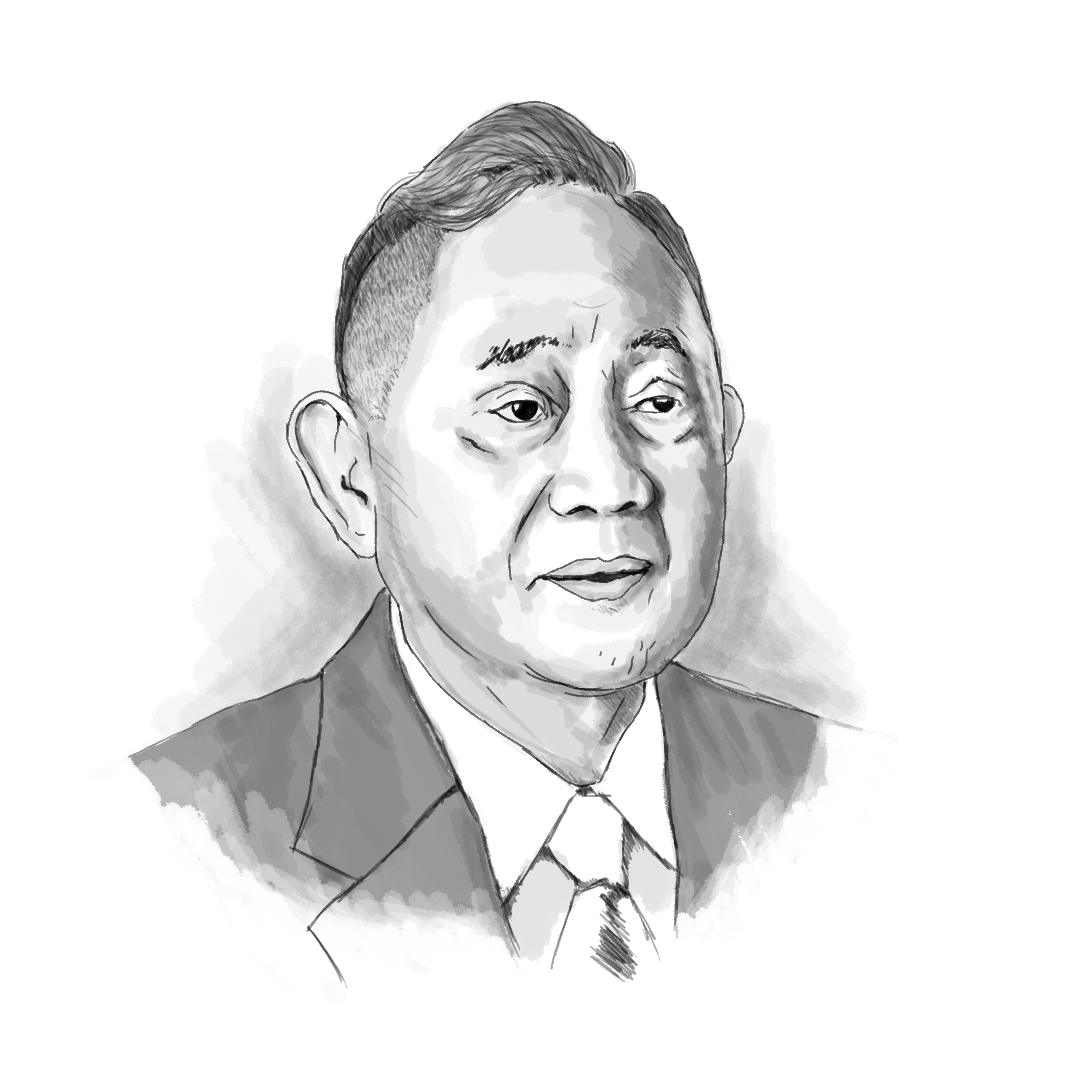
Our recent trip to Bangkok with wife Gina brought back memories of our numerous visits when we brought together Asia’s political groupings into the International Conference of Asian Political Parties (ICAPP); and our national legislatures into the Asian Parliamentary Assembly (APA), both of which have grown rapidly into advanced organizations.
One of our most steadfast supporters in our advocacy has been our long-time friend, Thaksin Shinawatra, who served as Thailand’s prime minister from 2001 to 2006, when he was deposed in a military coup. His political party, Thai Rak Thai, was outlawed and barred from political activity. He went into self-imposed exile for 15 years until his return to his beloved country last August 2023.
It was in this historic capital on November 2002 that then Prime Minister Thaksin and the ruling Thai Rak Thai Party hosted the second general assembly of the 352-member International Conference of Asian Political Parties (ICAPP), following its founding and launching in Manila in September 2000.
At the conference, leaders of political parties from 25 countries in Asia who participated underscored the central role and responsibility of political parties in national, regional, and international policy and development processes and in dealing with the challenges of globalization arising out of the world’s changing political, economic, social, and technological landscapes.
Indeed, 23 years since its founding, the ICAPP has successfully and continuously served as a platform for dialogue, understanding, and cooperation among countries and peoples in Asia through the network of political parties. It has become an institutional and political voice of political parties – ruling and opposition; left, right, and center, representing the finest of Asia’s unity in diversity. It has also continued to expand its reach and influence.
Nalinee Taveesin, Thailand’s trade representative and a key advisor to incumbent Prime Minister Srettha Thavisin, presently sits in the ICAPP’s 39-member governing council, representing the ruling Pheu Thai Party. She previously served as trade representative and minister in the office of Prime Minister Yingluck Shinawatra, where she oversaw several government agencies including the Royal Academy, the National Research Council of Thailand, and the office of the National Economic and Social Advisory Council. The other Thai political leader who sits in ICAPP’s governing body is former member of Parliament Prakob Chirakiti of the Democrat Party.
Prime Minister Yingluck, as many know, is her country’s first woman premier and younger sister of Prime Minister Thaksin. Over the years, we and wife Gina have maintained our friendship with former premiers Thaksin and Yingluck and Minister Nalinee.
We also treasure to this day the privilege of being received by the immensely popular and well-loved King Bhumibol at the Royal Palace when we were Speaker of the House. He was Thailand’s longest serving monarch and one of the lengthiest in the world, beginning in 1946, at the age of 18, until his death in 2016, or for 70 years.
King Bhumibol played a crucial role in unifying Thai people despite the many challenges and difficulties that the country had faced, particularly in recent years before his death. The Thai people considered King Bhumibol a man of the people, who travelled even to the poor and far-flung villages in the country to listen and address the concerns of his people. He was a painter, musician, photographer, and writer.
We also recalled co-founding the Asian Peace and Reconciliation Council (APRC) with former Thai Deputy Prime Minister and Foreign Minister Surakiart Sathirathai in Bangkok on September 2012. It is composed of former heads of governments, leaders of parliament, foreign ministers, and policy-makers. APRC aims to assist governments and organizations in peace-building and conflict resolution in Asia and the international community.