ADVERTISEMENT

Drones, snake robot enter wrecked Japan nuclear reactor

Published Feb 29, 2024 12:49 pm
AFP__20240229__34KD8TW__v3__Preview__TopshotJapanNuclearFukushima.jpg
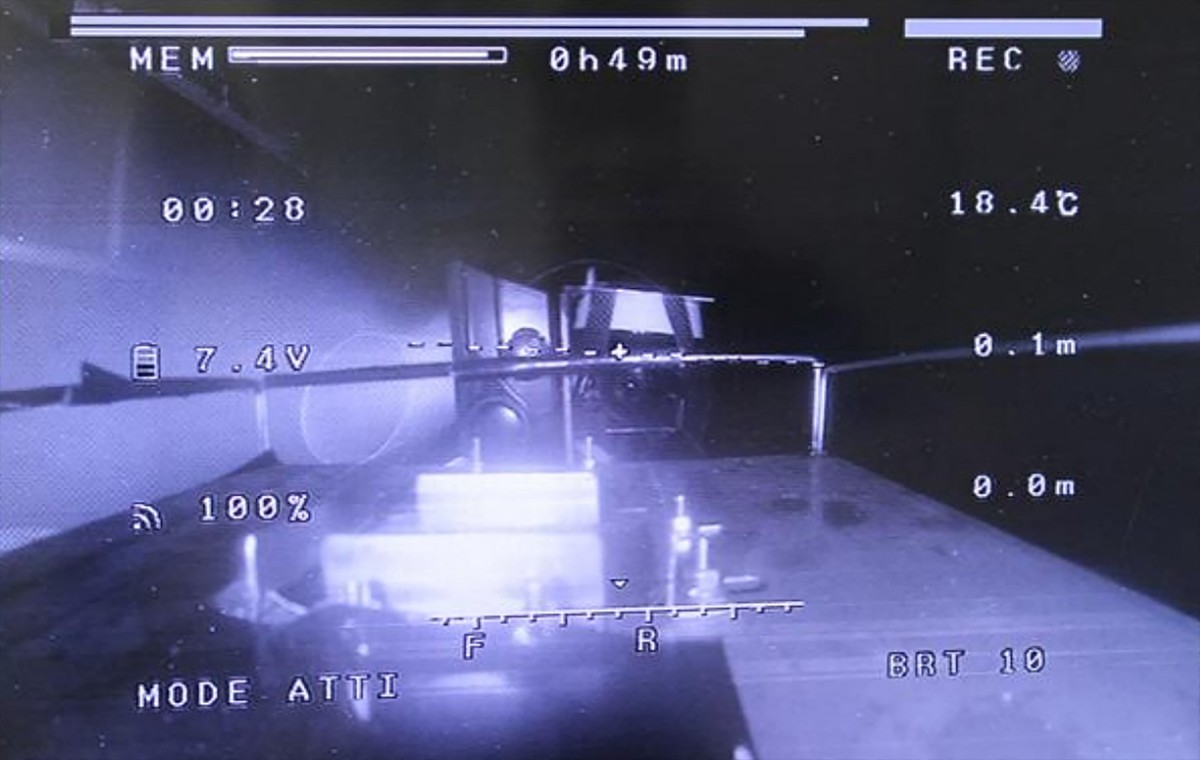
This handout taken on February 28, 2024 and released by Tokyo Electric Power Co. (TEPCO) on February 29, 2024 shows a drone landing during the "primary containment vessel internal investigation" of Unit 1 at the crippled Fukushima Daiichi Nuclear Power Plant in Okuma, Fukushima prefecture. The operator of the crippled Fukushima nuclear plant said on February 28 it has flown drones into a damaged reactor to examine ways to extract molten fuel debris from the plant. (Photo by Handout / TOKYO ELECTRIC POWER COMPANY (TEPCO) / AFP)

TOKYO, Japan–Japan on Thursday sent two mini-drones and a "snake-shaped robot" into one of three nuclear reactors at the Fukushima plant crippled by a tsunami in 2011, the facility's operator said.

The gadgets were deployed in preparation for the removal of hundreds of tonnes of highly radioactive fuel and rubble, a risky operation expected to take decades.

"We sent two drones yesterday and two drones today", in addition to the "snake-shaped robot" on Thursday, a spokesman for Tokyo Electric Power (TEPCO) told AFP.

Since the interior is "cramped and dark", the small drones are "highly manoeuvrable and have enhanced photographic capabilities", the company said.

The "snake-like robot... houses wireless communications relay so that we can properly cover the radio transmission area within which the small drones will be operated", a statement said.

But later in the day, the probe was curtailed due to technical glitches, local media including public broadcaster NHK said.

The snake-like robot "could not reach" its destination because its cables did not function properly, with immediate resumption nowhere in sight, the Mainichi daily said.

The interior of the reactor buildings is too radioactive for people to enter, and the drones are meant to inspect the area before the removal of the fuel and rubble by robots.

TEPCO plans to carry out a trial removal of a small amount of fuel debris in October.

It had already sent an underwater robot to inspect parts of the facility still submerged, the spokesman said.

"It will take a long time to fully take off the 800 tonnes (of fuel), as the decommissioning period is thought to be 30 to 40 years," he said.

Separately, TEPCO on Wednesday began releasing a fourth batch of treated wastewater from the Fukushima plant into the ocean.

The process has been given the green light by the UN nuclear watchdog but China and Russia have banned seafood imports from Japan in response.

The 2011 earthquake and tsunami killed around 18,000 people. The catastrophe at the Fukushima nuclear power facility in northeast Japan was one of the worst atomic accidents in history.


Related Tags

WORLDNEWS
ADVERTISEMENT
.most-popular .layout-ratio{ padding-bottom: 79.13%; } @media (min-width: 768px) and (max-width: 1024px) { .widget-title { font-size: 15px !important; } }

{{ articles_filter_1561_widget.title }}

.most-popular .layout-ratio{ padding-bottom: 79.13%; } @media (min-width: 768px) and (max-width: 1024px) { .widget-title { font-size: 15px !important; } }

{{ articles_filter_1562_widget.title }}

.most-popular .layout-ratio{ padding-bottom: 79.13%; } @media (min-width: 768px) and (max-width: 1024px) { .widget-title { font-size: 15px !important; } }

{{ articles_filter_1563_widget.title }}

{{ articles_filter_1564_widget.title }}

.mb-article-details { position: relative; } .mb-article-details .article-body-preview, .mb-article-details .article-body-summary{ font-size: 17px; line-height: 30px; font-family: "Libre Caslon Text", serif; color: #000; } .mb-article-details .article-body-preview iframe , .mb-article-details .article-body-summary iframe{ width: 100%; margin: auto; } .read-more-background { background: linear-gradient(180deg, color(display-p3 1.000 1.000 1.000 / 0) 13.75%, color(display-p3 1.000 1.000 1.000 / 0.8) 30.79%, color(display-p3 1.000 1.000 1.000) 72.5%); position: absolute; height: 200px; width: 100%; bottom: 0; display: flex; justify-content: center; align-items: center; padding: 0; } .read-more-background a{ color: #000; } .read-more-btn { padding: 17px 45px; font-family: Inter; font-weight: 700; font-size: 18px; line-height: 16px; text-align: center; vertical-align: middle; border: 1px solid black; background-color: white; } .hidden { display: none; }
function initializeAllSwipers() { // Get all hidden inputs with cms_article_id document.querySelectorAll('[id^="cms_article_id_"]').forEach(function (input) { const cmsArticleId = input.value; const articleSelector = '#article-' + cmsArticleId + ' .body_images'; const swiperElement = document.querySelector(articleSelector); if (swiperElement && !swiperElement.classList.contains('swiper-initialized')) { new Swiper(articleSelector, { loop: true, pagination: false, navigation: { nextEl: '#article-' + cmsArticleId + ' .swiper-button-next', prevEl: '#article-' + cmsArticleId + ' .swiper-button-prev', }, }); } }); } setTimeout(initializeAllSwipers, 3000); const intersectionObserver = new IntersectionObserver( (entries) => { entries.forEach((entry) => { if (entry.isIntersecting) { const newUrl = entry.target.getAttribute("data-url"); if (newUrl) { history.pushState(null, null, newUrl); let article = entry.target; // Extract metadata const author = article.querySelector('.author-section').textContent.replace('By', '').trim(); const section = article.querySelector('.section-info ').textContent.replace(' ', ' '); const title = article.querySelector('.article-title h1').textContent; // Parse URL for Chartbeat path format const parsedUrl = new URL(newUrl, window.location.origin); const cleanUrl = parsedUrl.host + parsedUrl.pathname; // Update Chartbeat configuration if (typeof window._sf_async_config !== 'undefined') { window._sf_async_config.path = cleanUrl; window._sf_async_config.sections = section; window._sf_async_config.authors = author; } // Track virtual page view with Chartbeat if (typeof pSUPERFLY !== 'undefined' && typeof pSUPERFLY.virtualPage === 'function') { try { pSUPERFLY.virtualPage({ path: cleanUrl, title: title, sections: section, authors: author }); } catch (error) { console.error('ping error', error); } } // Optional: Update document title if (title && title !== document.title) { document.title = title; } } } }); }, { threshold: 0.1 } ); function showArticleBody(button) { const article = button.closest("article"); const summary = article.querySelector(".article-body-summary"); const body = article.querySelector(".article-body-preview"); const readMoreSection = article.querySelector(".read-more-background"); // Hide summary and read-more section summary.style.display = "none"; readMoreSection.style.display = "none"; // Show the full article body body.classList.remove("hidden"); } document.addEventListener("DOMContentLoaded", () => { let loadCount = 0; // Track how many times articles are loaded const offset = [1, 2, 3, 4, 5, 6, 7, 8, 9, 10]; // Offset values const currentUrl = window.location.pathname.substring(1); let isLoading = false; // Prevent multiple calls if (!currentUrl) { console.log("Current URL is invalid."); return; } const sentinel = document.getElementById("load-more-sentinel"); if (!sentinel) { console.log("Sentinel element not found."); return; } function isSentinelVisible() { const rect = sentinel.getBoundingClientRect(); return ( rect.top < window.innerHeight && rect.bottom >= 0 ); } function onScroll() { if (isLoading) return; if (isSentinelVisible()) { if (loadCount >= offset.length) { console.log("Maximum load attempts reached."); window.removeEventListener("scroll", onScroll); return; } isLoading = true; const currentOffset = offset[loadCount]; window.loadMoreItems().then(() => { let article = document.querySelector('#widget_1690 > div:nth-last-of-type(2) article'); intersectionObserver.observe(article) loadCount++; }).catch(error => { console.error("Error loading more items:", error); }).finally(() => { isLoading = false; }); } } window.addEventListener("scroll", onScroll); });

Sign up by email to receive news.