

ADVERTISEMENT

DOH explains lack of organ donors in the Philippines

Published Feb 28, 2024 06:38 am

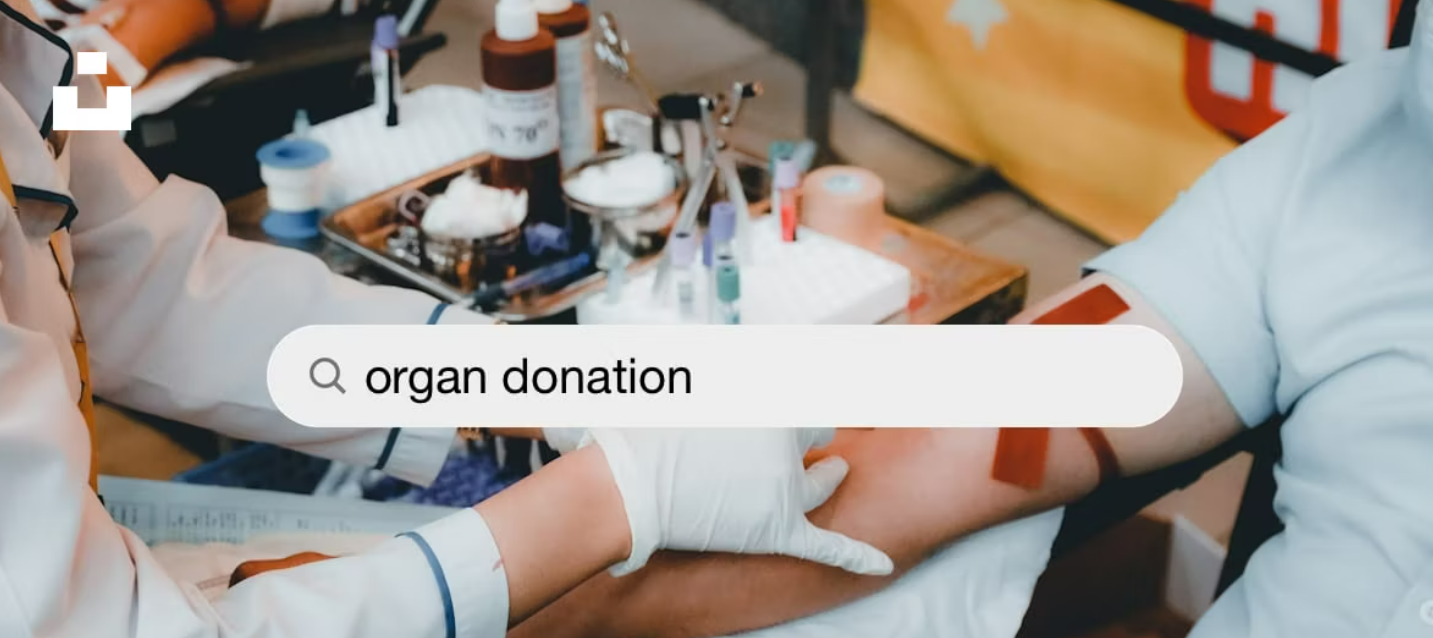
The Department of Health (DOH) has attributed the shortage of organ donors in the Philippines to the stringent donation process.
Screenshot (137).png
Photo from Unsplash

"Halimbawa sa living donors, maaaring hindi sila magmatch, pangalawa, may mga kamag-anak sila na nag-aatubili o natatakot, o walang makuhang kamag-anak (For example, in living donors, they may not match. Secondly, they may have relatives who are hesitant or afraid, or they may not have any relatives available)," said DOH Undersecretary Eric Tayag in a DZBB interview on Wednesday, Feb. 28.

"Pangatlo naman, mayroon [kamag-anak na donor] pero nasa ibang bansa, e maraming papeles na dapat kumpletuhin bago pa mapayagan 'yan, kasi ayaw nating maisama ito sa organ trafficking (Thirdly, there may be a relative who is a donor but is in another country, and there are many documents that need to be completed before they can be allowed because we do not want this to be associated with organ trafficking)," he added.

Meanwhile, Tayag underscored the importance of addressing reports of organ trafficking, saying, "Nababalitaan namin na binibili [body organs], kaya minabuti ng DOH na maghigpit (We've heard reports of organs being bought, so the DOH deemed it necessary to tighten regulations)."

He also pointed out concerns about past incidents involving organ harvesting and sales that further emphasize the urgency of stricter oversight.

"Isa pa, doon naman sa living non-related donors, iniiwasan natin na may palitan ng pera (concerning living non-related donors, we are avoiding any exchange of money)," he said.

Tayag emphasized that stringent policies aim to prevent organ donation from being perceived as a business, acknowledging ongoing instances of individuals selling organs out of necessity.

"Ang kakaibang ginagawa nila ngayon ay tinuturuan nila 'yung non-related [donors] kung paano sumagot para hindi magsuspetsa kasi haharap 'yan sa lupon, dahil i-investigate muna 'yan bago mabigyan ng approval (What they're doing differently now is they're teaching non-related donors how to answer so as not to raise suspicion because they will face a panel, as they will be investigated before being given approval)," he explained.

Tayag also emphasized that in the case of brain-dead individuals, despite expressing their desire to donate organs, the ultimate decision rests with the family.

"Minsan kahit alam naming gustong magdonate ng namatay ay hindi basta basta ito dahil kailangang may pahintulot ng kamag-anak (Sometimes, even if we know the deceased wanted to donate, it's not automatic because we still need the consent of the family)," he stressed.

Moreover, Tayag highlighted that the DOH, along with the National Kidney and Transplant Institute (NKTI) and other organizations, continues its campaign to raise awareness about organ donation's significance.

READ: https://mb.com.ph/2024/2/19/nkti-laments-shortage-of-organ-donors 

Tayag stressed the impact of successful transplants on families, noting that testimonials serve to inspire others to donate.

He affirmed the DOH's commitment to providing support to donors, such as educational packages or employment opportunities, ensuring donations are voluntary and free from coercion.

"Basta't hindi lalabas na parang pinilit at binayaran ang nagdonate (As long as it doesn't appear that the donor was coerced or paid)," he said.

Related Tags

DOH
ADVERTISEMENT
.most-popular .layout-ratio{ padding-bottom: 79.13%; } @media (min-width: 768px) and (max-width: 1024px) { .widget-title { font-size: 15px !important; } }

{{ articles_filter_1561_widget.title }}

.most-popular .layout-ratio{ padding-bottom: 79.13%; } @media (min-width: 768px) and (max-width: 1024px) { .widget-title { font-size: 15px !important; } }

{{ articles_filter_1562_widget.title }}

.most-popular .layout-ratio{ padding-bottom: 79.13%; } @media (min-width: 768px) and (max-width: 1024px) { .widget-title { font-size: 15px !important; } }

{{ articles_filter_1563_widget.title }}

{{ articles_filter_1564_widget.title }}

.mb-article-details { position: relative; } .mb-article-details .article-body-preview, .mb-article-details .article-body-summary{ font-size: 17px; line-height: 30px; font-family: "Libre Caslon Text", serif; color: #000; } .mb-article-details .article-body-preview iframe , .mb-article-details .article-body-summary iframe{ width: 100%; margin: auto; } .read-more-background { background: linear-gradient(180deg, color(display-p3 1.000 1.000 1.000 / 0) 13.75%, color(display-p3 1.000 1.000 1.000 / 0.8) 30.79%, color(display-p3 1.000 1.000 1.000) 72.5%); position: absolute; height: 200px; width: 100%; bottom: 0; display: flex; justify-content: center; align-items: center; padding: 0; } .read-more-background a{ color: #000; } .read-more-btn { padding: 17px 45px; font-family: Inter; font-weight: 700; font-size: 18px; line-height: 16px; text-align: center; vertical-align: middle; border: 1px solid black; background-color: white; } .hidden { display: none; }
function initializeAllSwipers() { // Get all hidden inputs with cms_article_id document.querySelectorAll('[id^="cms_article_id_"]').forEach(function (input) { const cmsArticleId = input.value; const articleSelector = '#article-' + cmsArticleId + ' .body_images'; const swiperElement = document.querySelector(articleSelector); if (swiperElement && !swiperElement.classList.contains('swiper-initialized')) { new Swiper(articleSelector, { loop: true, pagination: false, navigation: { nextEl: '#article-' + cmsArticleId + ' .swiper-button-next', prevEl: '#article-' + cmsArticleId + ' .swiper-button-prev', }, }); } }); } setTimeout(initializeAllSwipers, 3000); const intersectionObserver = new IntersectionObserver( (entries) => { entries.forEach((entry) => { if (entry.isIntersecting) { const newUrl = entry.target.getAttribute("data-url"); if (newUrl) { history.pushState(null, null, newUrl); let article = entry.target; // Extract metadata const author = article.querySelector('.author-section').textContent.replace('By', '').trim(); const section = article.querySelector('.section-info ').textContent.replace(' ', ' '); const title = article.querySelector('.article-title h1').textContent; // Parse URL for Chartbeat path format const parsedUrl = new URL(newUrl, window.location.origin); const cleanUrl = parsedUrl.host + parsedUrl.pathname; // Update Chartbeat configuration if (typeof window._sf_async_config !== 'undefined') { window._sf_async_config.path = cleanUrl; window._sf_async_config.sections = section; window._sf_async_config.authors = author; } // Track virtual page view with Chartbeat if (typeof pSUPERFLY !== 'undefined' && typeof pSUPERFLY.virtualPage === 'function') { try { pSUPERFLY.virtualPage({ path: cleanUrl, title: title, sections: section, authors: author }); } catch (error) { console.error('ping error', error); } } // Optional: Update document title if (title && title !== document.title) { document.title = title; } } } }); }, { threshold: 0.1 } ); function showArticleBody(button) { const article = button.closest("article"); const summary = article.querySelector(".article-body-summary"); const body = article.querySelector(".article-body-preview"); const readMoreSection = article.querySelector(".read-more-background"); // Hide summary and read-more section summary.style.display = "none"; readMoreSection.style.display = "none"; // Show the full article body body.classList.remove("hidden"); } document.addEventListener("DOMContentLoaded", () => { let loadCount = 0; // Track how many times articles are loaded const offset = [1, 2, 3, 4, 5, 6, 7, 8, 9, 10]; // Offset values const currentUrl = window.location.pathname.substring(1); let isLoading = false; // Prevent multiple calls if (!currentUrl) { console.log("Current URL is invalid."); return; } const sentinel = document.getElementById("load-more-sentinel"); if (!sentinel) { console.log("Sentinel element not found."); return; } function isSentinelVisible() { const rect = sentinel.getBoundingClientRect(); return ( rect.top < window.innerHeight && rect.bottom >= 0 ); } function onScroll() { if (isLoading) return; if (isSentinelVisible()) { if (loadCount >= offset.length) { console.log("Maximum load attempts reached."); window.removeEventListener("scroll", onScroll); return; } isLoading = true; const currentOffset = offset[loadCount]; window.loadMoreItems().then(() => { let article = document.querySelector('#widget_1690 > div:nth-last-of-type(2) article'); intersectionObserver.observe(article) loadCount++; }).catch(error => { console.error("Error loading more items:", error); }).finally(() => { isLoading = false; }); } } window.addEventListener("scroll", onScroll); });

Sign up by email to receive news.