

ADVERTISEMENT

Why you should sleep more

Five benefits of getting more rest

Published Feb 27, 2024 04:44 am

At A Glance

  • Sleep is my lover now, my forgetting, my opiate, my oblivion. — Audrey Niffenegger, <i>The Time Traveler's Wife</i>
pexels-photo-3807760.webp

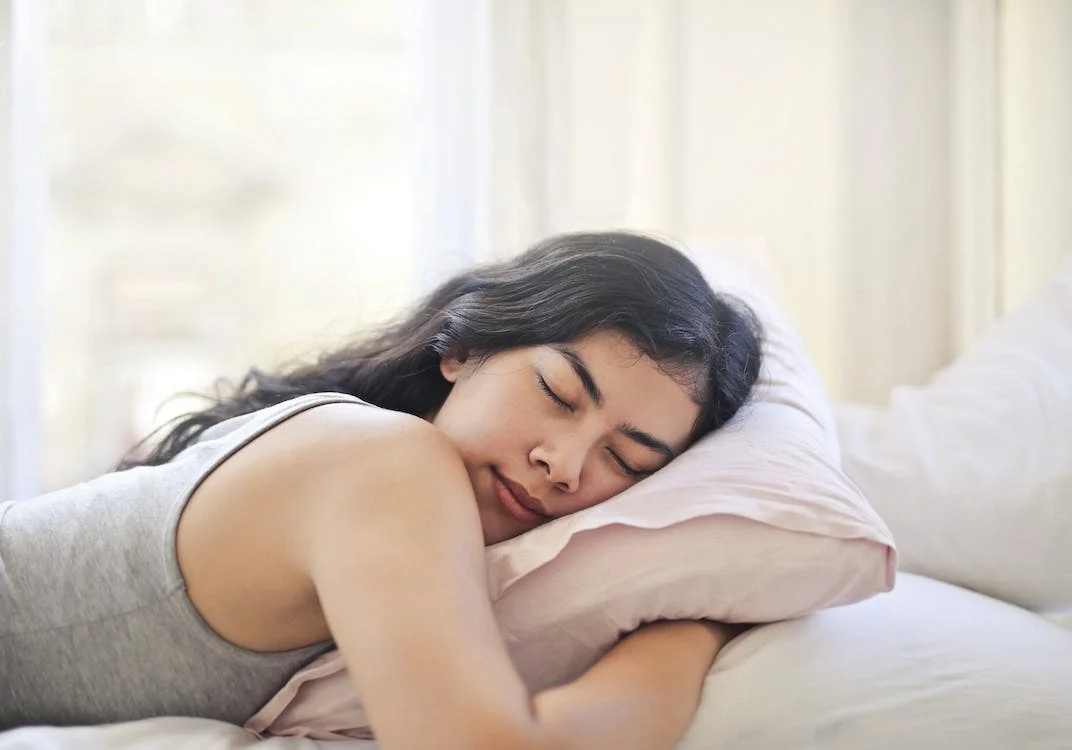
When was the last time you had a full night’s rest? We often get lost in the daily grind, leaving little time to recuperate our bodies. But that doesn’t mean we shouldn’t allot more time for rest when we can. After all, during sleep, our body repairs itself as it restores energy. Here are five reasons you ought to sleep more when you can.

Better brain function

Quality sleep is integral to being able to function properly throughout the day. As we sleep, our brain clears toxins that accumulate during our conscious hours. It also replenishes our body’s cells, giving us the energy we need to be active in the day. By allotting more time to rest, we are maximizing the potential of our cognitive abilities.

Life feels more gleeful

How many of you feel cranky in the morning, warning others not to interact with you unless you’ve had that morning cup of joe? Getting more rest helps the body destress and relax itself more. Whereas those who lack sleep tend to be more irritable, are prone to mood swings, and have less emotional resiliency.

Harder, better, faster, stronger

As mentioned earlier, the body repairs itself when we sleep. Hence, having the proper amount of rest reduces the likeliness of getting sick. It also helps keep us more alert in the morning, lessening that droopy and energetic feeling those lacking rest might feel. Another added bonus is it can help improve our immune system, keeping us safe from any lurking diseases.

Better skin health

To stay beautiful, quality sleep is of utmost importance. This is due to the fact that sleeping can affect factors in our body like hormone regulation, cravings, and stress levels.When our hormones and stress levels are in disarray, our skin deteriorates as acne and wrinkles start to break out. Cravings can lead to overeating, and in turn result in excessive weight gain.

Letting our mind escape to dream worlds

Perhaps the best part of sleeping is the chance of our minds wandering and giving us dreams. When we dream, we are led to another life. We experience new things and feel different sensations take over our bodies. To dream is to give the spice of life, as when we wake we remember all the beautiful memories our unconscious self gave us. Even nightmares, as terrifying as they can be, give us relief as we wake up and realize it was all but a dream. For creatives, it fuels our art and serves as inspiration to our works.

Related Tags

Manila Bulletin Lifestyle Poch Eulalia
ADVERTISEMENT
.most-popular .layout-ratio{ padding-bottom: 79.13%; } @media (min-width: 768px) and (max-width: 1024px) { .widget-title { font-size: 15px !important; } }

{{ articles_filter_1561_widget.title }}

.most-popular .layout-ratio{ padding-bottom: 79.13%; } @media (min-width: 768px) and (max-width: 1024px) { .widget-title { font-size: 15px !important; } }

{{ articles_filter_1562_widget.title }}

.most-popular .layout-ratio{ padding-bottom: 79.13%; } @media (min-width: 768px) and (max-width: 1024px) { .widget-title { font-size: 15px !important; } }

{{ articles_filter_1563_widget.title }}

{{ articles_filter_1564_widget.title }}

.mb-article-details { position: relative; } .mb-article-details .article-body-preview, .mb-article-details .article-body-summary{ font-size: 17px; line-height: 30px; font-family: "Libre Caslon Text", serif; color: #000; } .mb-article-details .article-body-preview iframe , .mb-article-details .article-body-summary iframe{ width: 100%; margin: auto; } .read-more-background { background: linear-gradient(180deg, color(display-p3 1.000 1.000 1.000 / 0) 13.75%, color(display-p3 1.000 1.000 1.000 / 0.8) 30.79%, color(display-p3 1.000 1.000 1.000) 72.5%); position: absolute; height: 200px; width: 100%; bottom: 0; display: flex; justify-content: center; align-items: center; padding: 0; } .read-more-background a{ color: #000; } .read-more-btn { padding: 17px 45px; font-family: Inter; font-weight: 700; font-size: 18px; line-height: 16px; text-align: center; vertical-align: middle; border: 1px solid black; background-color: white; } .hidden { display: none; }
function initializeAllSwipers() { // Get all hidden inputs with cms_article_id document.querySelectorAll('[id^="cms_article_id_"]').forEach(function (input) { const cmsArticleId = input.value; const articleSelector = '#article-' + cmsArticleId + ' .body_images'; const swiperElement = document.querySelector(articleSelector); if (swiperElement && !swiperElement.classList.contains('swiper-initialized')) { new Swiper(articleSelector, { loop: true, pagination: false, navigation: { nextEl: '#article-' + cmsArticleId + ' .swiper-button-next', prevEl: '#article-' + cmsArticleId + ' .swiper-button-prev', }, }); } }); } setTimeout(initializeAllSwipers, 3000); const intersectionObserver = new IntersectionObserver( (entries) => { entries.forEach((entry) => { if (entry.isIntersecting) { const newUrl = entry.target.getAttribute("data-url"); if (newUrl) { history.pushState(null, null, newUrl); let article = entry.target; // Extract metadata const author = article.querySelector('.author-section').textContent.replace('By', '').trim(); const section = article.querySelector('.section-info ').textContent.replace(' ', ' '); const title = article.querySelector('.article-title h1').textContent; // Parse URL for Chartbeat path format const parsedUrl = new URL(newUrl, window.location.origin); const cleanUrl = parsedUrl.host + parsedUrl.pathname; // Update Chartbeat configuration if (typeof window._sf_async_config !== 'undefined') { window._sf_async_config.path = cleanUrl; window._sf_async_config.sections = section; window._sf_async_config.authors = author; } // Track virtual page view with Chartbeat if (typeof pSUPERFLY !== 'undefined' && typeof pSUPERFLY.virtualPage === 'function') { try { pSUPERFLY.virtualPage({ path: cleanUrl, title: title, sections: section, authors: author }); } catch (error) { console.error('ping error', error); } } // Optional: Update document title if (title && title !== document.title) { document.title = title; } } } }); }, { threshold: 0.1 } ); function showArticleBody(button) { const article = button.closest("article"); const summary = article.querySelector(".article-body-summary"); const body = article.querySelector(".article-body-preview"); const readMoreSection = article.querySelector(".read-more-background"); // Hide summary and read-more section summary.style.display = "none"; readMoreSection.style.display = "none"; // Show the full article body body.classList.remove("hidden"); } document.addEventListener("DOMContentLoaded", () => { let loadCount = 0; // Track how many times articles are loaded const offset = [1, 2, 3, 4, 5, 6, 7, 8, 9, 10]; // Offset values const currentUrl = window.location.pathname.substring(1); let isLoading = false; // Prevent multiple calls if (!currentUrl) { console.log("Current URL is invalid."); return; } const sentinel = document.getElementById("load-more-sentinel"); if (!sentinel) { console.log("Sentinel element not found."); return; } function isSentinelVisible() { const rect = sentinel.getBoundingClientRect(); return ( rect.top < window.innerHeight && rect.bottom >= 0 ); } function onScroll() { if (isLoading) return; if (isSentinelVisible()) { if (loadCount >= offset.length) { console.log("Maximum load attempts reached."); window.removeEventListener("scroll", onScroll); return; } isLoading = true; const currentOffset = offset[loadCount]; window.loadMoreItems().then(() => { let article = document.querySelector('#widget_1690 > div:nth-last-of-type(2) article'); intersectionObserver.observe(article) loadCount++; }).catch(error => { console.error("Error loading more items:", error); }).finally(() => { isLoading = false; }); } } window.addEventListener("scroll", onScroll); });

Sign up by email to receive news.