






 Philippines
Metro Manila
Reuse and recycle: Mayor Francis pushes for water conservation, creation of water catchment systems
Philippines
Metro Manila
Reuse and recycle: Mayor Francis pushes for water conservation, creation of water catchment systems
Reuse and recycle: Mayor Francis pushes for water conservation, creation of water catchment systems


San Juan City Mayor and Metro Manila Council (MMC) President Francis Zamora on Monday, February 26, called on the public to conserve, reuse, and recycle water as the El Niño phenomenon continues to hit the country amid the national and local governments' efforts to mitigate its adverse effects.
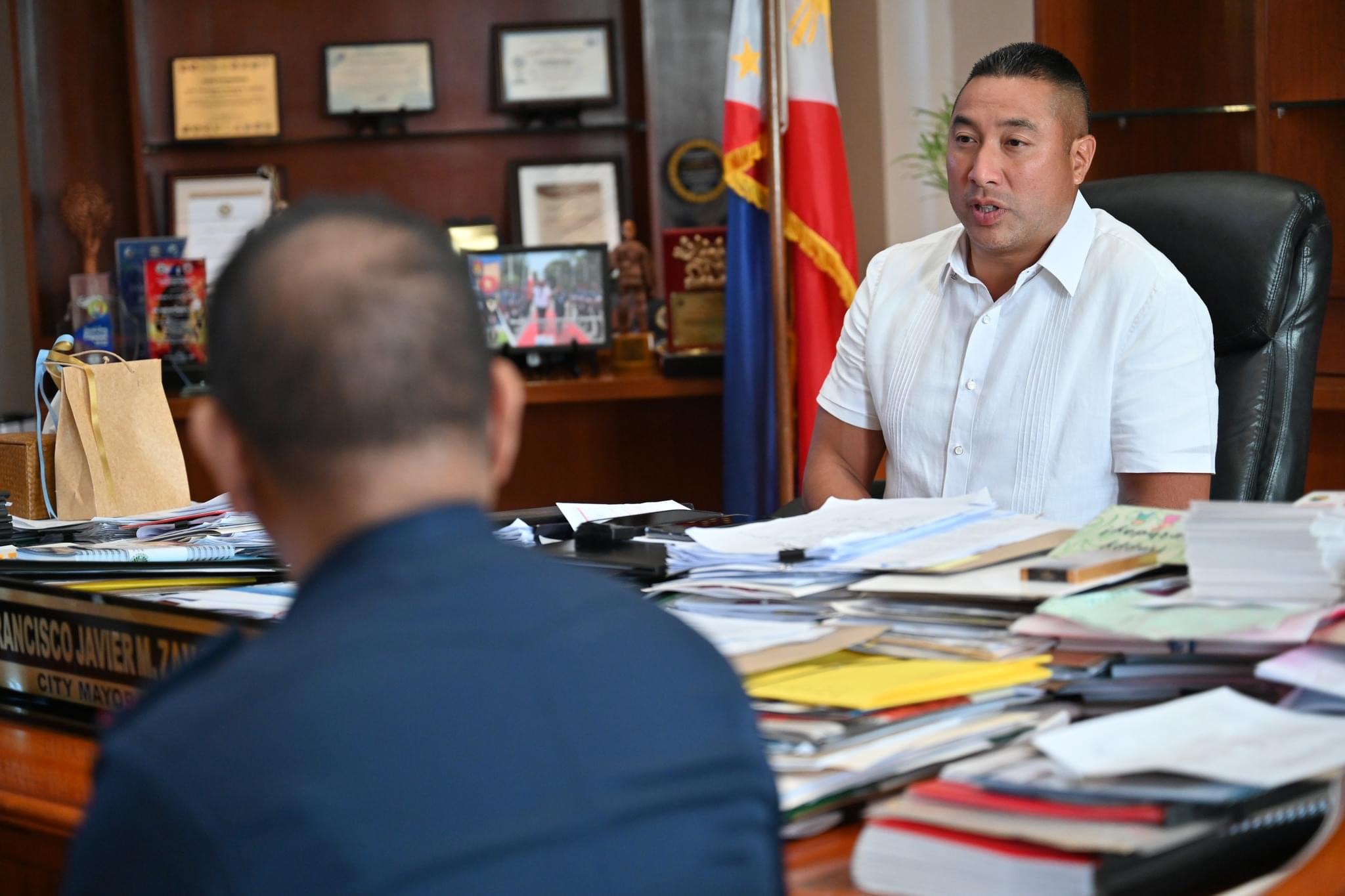
Mayor Francis Zamora
El Niño or warm phase is characterized by unusually warmer-than-average sea surface temperatures in the central and eastern equatorial Pacific.
The weather phenomenon raises the likelihood of below-average rainfall conditions which might have adverse impact such as drought and dry spells in several parts of the country.
"Last year humarap tayo sa El Niño at ang naging policy noon ng Metro Manila Council ay individually as local government units ay pwedeng magpasa or mag approve ng mga ordinansa regulating the use of ganyan halimbawa inflatable pools or other activities that use up a lot of water (Last year, we faced the challenges posed by El Niňo and the Metro Manila Council's policy during that time and until now is to individually, as local government units (LGUs), pass or approve ordinances regulating the use of inflatable pools or other activities that use up a lot of water)," Zamora said in a radio interview.
He explained that the reason why the setting up of ordinances or regulations depend on each LGU is because not all of them have the same demographics as well as businesses and establishments that are using water.
"Ang ating minumungkahi ngayon dito sa Metro Manila Council which is nasabi ko na kay Chairman (Romando) Artes ay gusto ko sana pagusapan sa aming pagpupulong sa Miyerkules ang pag sesetup ng water catchment areas. In San Juan we are also doing this (My recommendation to the Metro Manila Council, which I have already told Chairman Artes, is to discuss in our meeting on Wednesday the setting up of water catchment areas in the region. In San Juan we are also doing this)," The mayor said.
In June of last year, he stressed the importance of conserving water as early as now as well as the creation of water catchment areas as the water levels in the primary dams that are supplying water to households in the National Capital Region (NCR) continue to decline due to El Niño
"Sa amin sa city hall, pwede na ngayon maggawa ng rain catchment areas, ganun din sa aming barangay halls, preschools, government facilities, at ganun din sa ating kanya-kanyang mga tahanan. Ang ibig sabihin ng water catchment ay sasaluhin lang natin 'yung rainwater. Pag umuulan sasaluhin natin 'yung tubig tapos sa pamamagitan ng paggawa ng mga embudo, pagkuha ng mga drum na pagsasalukan ng tubig, ito ay gagamitin natin sa ibat ibang paraan. Pwedeng panglinis ng bahay, pwedeng pandilig ng mga halaman depende na sa linis ng tubig na makukuha (We, at the city hall, are now creating rain catchment areas as well as in our barangay halls, preschools, government facilities, as well as in our own homes. Water catchment means that we are catching and storing rainwater with the use of funnels and drums so that we may use it in our daily needs. We may use it for cleaning our homes, watering of plants, and many other uses depending on the cleanliness of the water that we have collected)," Zamora said.
"Sa mga facilities controlled ng local government dahil pag aari ito ng lokal na pamahalaan, nagseset up tayo ng mga catchment systems sa mga bubong. Matapos yang maimbak ay pwedeng gamiting pandilig gaya sa aming mga halaman sa Pinaglabanan Shrine at paglilinis ng aming mga thoroughfares, panay mga reused water na po yan (We are installing catchment systems on the roofs of facilities controlled and owned by the local government. The stored water can then be used to water the plants at the Pinaglabanan Shrine and in cleaning our thoroughfares )," he stressed.
To further entice San Juaneños to conserve water and create their own water catchment systems, the city government will launch an inter-barangay competition for the best water catchment system in San Juan.
"In fact, magkakaroon kami ng inter-barangay contest para sa best water catchment system. So, part of this is awareness para magkaroon ng kaalaman ang ating mag mamamayan, at yung tubig ulan is we can reuse and recycle. Nakakatipid tayo sa ating mga bill dahil araw araw imbis na yung tubig pa galing sa gripo ang gagamitin natin para sa secondary purposes, we can use the reused and recycled water for this (In fact, we will be holding an inter-barangay contest for the best water catchment system in San Juan. So part of this is to boost the public's awareness about the catchment system and the reusing and recycling of rain water. This will also help us save money from our water bills because through the recycling of rain water, we can use the reused and recycled water for secondary purposes)," Zamora said.
San Juan's awareness program also aims to increase the public's knowledge about dengue and for the stored water to not become a breeding ground for dengue-carrying mosquitoes.
Zamora said Filipinos should be proactive in facing the adverse effects of El Niño.
"Kinakailangan na magkaroon tayo ng mismong personal na disiplina upamg magconserve ng tubig. Tayo din naman po ang makikinabang nito and at the end of the day, we can save on our expenses imbis na gumastos tayo araw araw para sa mga bagay na kailangan nating paggamitan ng tubig eh gamitin nalang yung reused and recycled na water (We should all practice personal discipline in conserving water because we will also be the ones who will benefit from it. At the end of the day, we can save on our expenses because we are using reused and recycled water)," the MMC chairman noted.