

ADVERTISEMENT

Astronomy in the eyes of Filipino children

Published Feb 24, 2024 01:40 am

Some kids have developed an obsession with stargazing during their formative years, viewing the wide-open heavens as their unwavering companion.
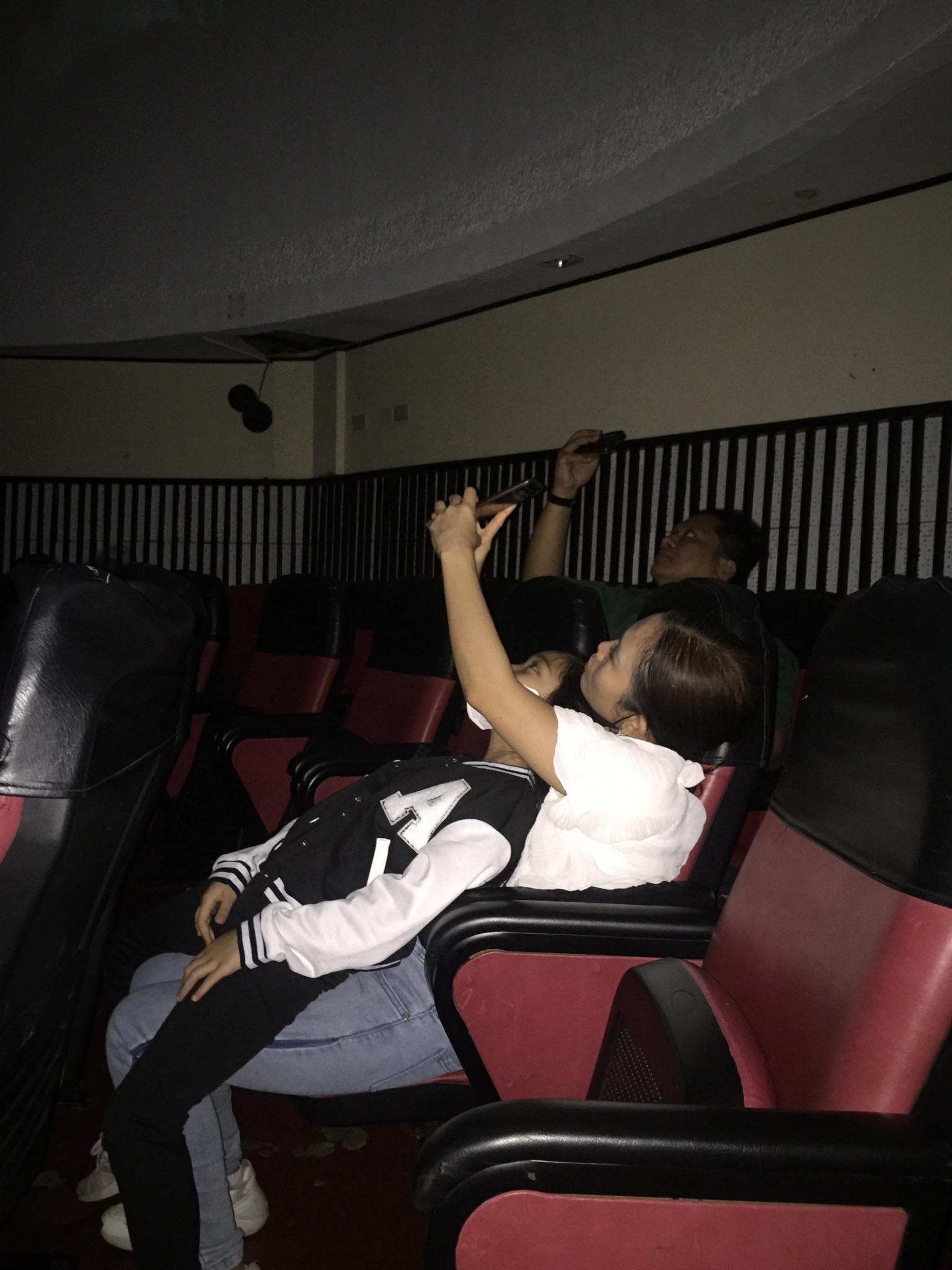
received_1574206546670673.jpeg
During the planetarium show in PAGASA Science Garden in line with the celebration of the 31st National Astronomy Week (Lizst Torres Abello)

There is probably no denying that children have become enthralled with astronomy because of their natural curiosity and excitement.

The Philippine Atmospheric, Geophysical and Astronomical Services Administration (PAGASA) hosted free planetarium shows and stargazing sessions during the 31st National Astronomy Week, which attracted couples, students, and working adults, with most attendees being children aged five to eight, accompanied by their parents and other family members.

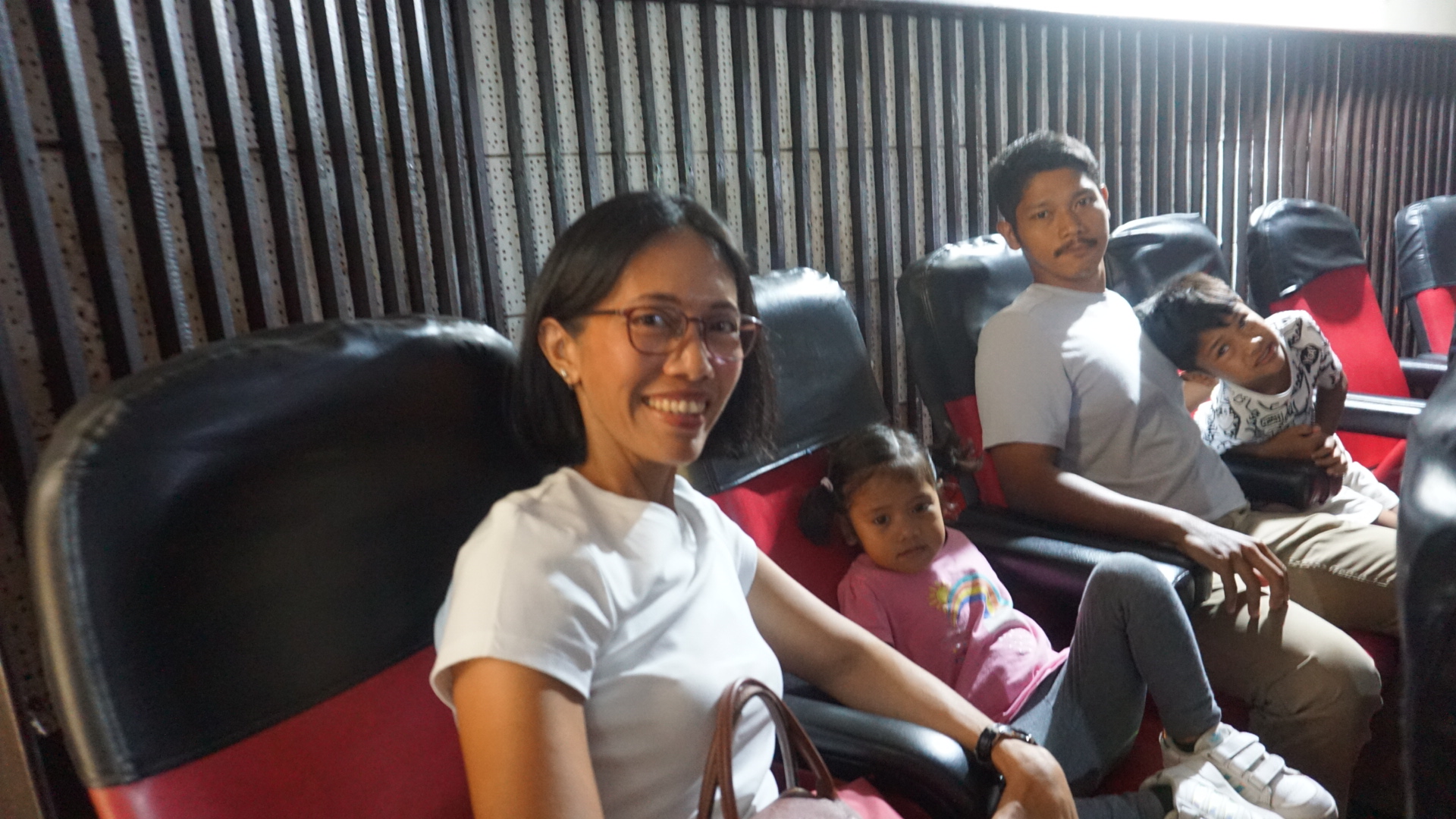
DSC05844.JPG
During the planetarium show in PAGASA Science Garden in line with the celebration of the 31st National Astronomy Week (Lizst Torres Abello)
DSC05841.JPG
During the planetarium show in PAGASA Science Garden in line with the celebration of the 31st National Astronomy Week (Lizst Torres Abello)

Bright objects in the sky

For eight-year-old Tiara Kylee Estonactoc from Quezon City, the sun, stars, and moon help people see things better.

received_1164483574542748.jpeg
During the planetarium show in PAGASA Science Garden in line with the celebration of the 31st National Astronomy Week (Lizst Torres Abello)

Estonactoc’s mother, Konny, said she used to form planetary objects through clay when she was younger while also having her inquiring mind about the winter and the summer solstice.

Moreover, six-year-old Steve Angelo Zuniga of Obando, Bulacan, said he enjoyed gazing at the galaxies because he was fascinated by how the stars formed into patterns and constellations.

DSC05851.JPG
During the planetarium show in PAGASA Science Garden in line with the celebration of the 31st National Astronomy Week (Lizst Torres Abello)    

His mother, Jamaima, said there were nights when he goes out together with Steve to observe the phases of the moon and how specific stars can guide people in knowing directions.

Meanwhile, five-year-old Blaire Barbero of Mandaluyong City, who aspires to be a space engineer, has been fascinated by the solar system since he came across an astronomy book in a store.
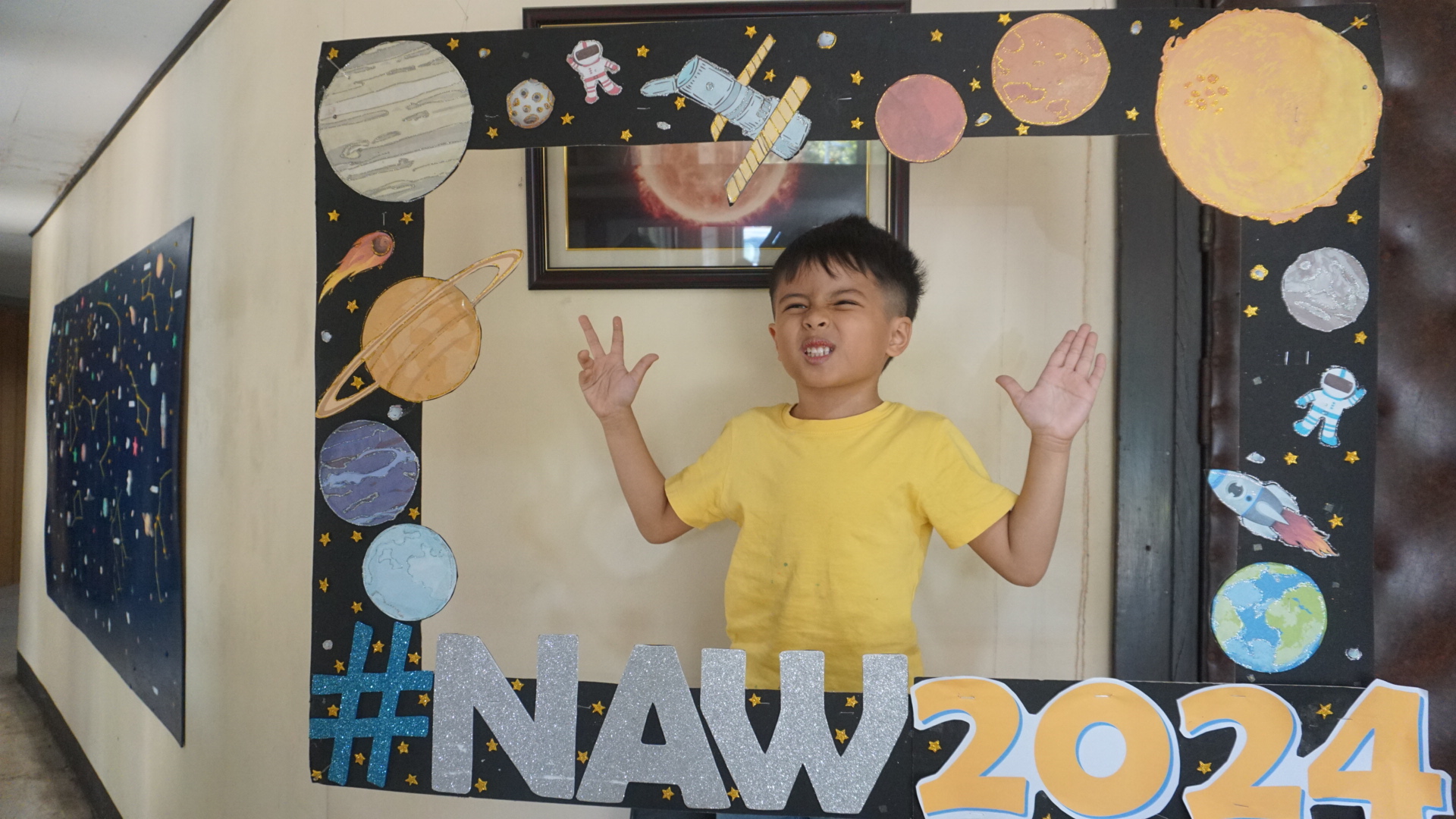
DSC05857.JPG
During the planetarium show in PAGASA Science Garden in line with the celebration of the 31st National Astronomy Week (Lizst Torres Abello)    

Maylyn, Blaire’s mother, said he goes stargazing with his friends most of the time using a telescope, while they also play and watch videos related to astronomy.

‘First-hand experiences more than book lessons’

PAGASA-Astronomical Observation and Time Service Unit Chief Mario Raymundo, in the celebration of the astronomy week with the theme, “Popularizing Astronomy in the Region through Science, Education, and Communication (PARSEC),” said PAGASA aims to broaden the knowledge of children and teachers in astronomy, claiming that lessons in schools are insufficient.

“Nagcoconcentrate kami sa program kung saan pinupunan ng PAGASA ang kakulangan ng kaalaman ng ating mga kababayan lalong-lalo na ang mga guro, ang mga mag-aaral ng tungkol sa astronomy sapagkat kung titingnan natin, doon sa libro o textbooks na ating ginagamit ngayon sa curriculum ng DepEd ay masyadong maiksi ang discussion ng astronomy (We focus on the program that fills the gap in the knowledge among teachers and children about astronomy, as when we look at the textbooks used from the curriculum of DepEd, there are too short discussions on astronomy),” Raymundo said.

He added that the agency’s goal was to instill an interest in astronomy in children because it is valuable in people’s daily lives, such as assessing climate change and improving technology, among others.

“Without proper application, hindi gaganahan ang ating mga kababayan o mag-aaral not unless magkaroon sila ng mga gamit kagaya ng teleskopyo, and that is the time na kapag sila ay nakasilip ay maaappreciate nila ang astronomy (Without proper application, the public or the students will not be enthusiastic unless they will have telescopes, and that is the time when they have already experienced using it that they will be able to appreciate astronomy), he said.

He also invited the public to visit the PAGASA planetarium in PAGASA Science Garden in Quezon City and the PAGASA Observatory at the University of the Philippines, Diliman, both of which are open to the public for a minimal fee, every day.

‘Pricey’ equipment barrier in pursuing astronomy

Raymundo said astronomy is a very expensive endeavor, which makes it difficult to pursue in a third-world country such as the Philippines.

“Let’s say ipinasok mo na iyong project na iyan, kokontrahin na agad ng nasa itaas dahil sasabihin especially ng ating mga politiko ay maraming pagkain ito maraming mabubusog na tao kaysa ubusin natin dito (Let’s say we proposed a specific project, it might be neglected by the administration, as they would say especially the politicians that with that kind of budget, there will be many people who may be benefited with food rather than spending it to the astronomy project),” he said.

He also shared that some telescopes cost millions for one to be able to thoroughly study the night sky and its objects.

“Hindi pa natin kayang pumantay sa ibang bansa pagdating sa pagkuha ng mga instrumento maybe on knowledge o iyong sa talino ay malelevel tayo sa kanila pero hindi kasi natin maitutuloy ang talagang asenso natin sa astronomy hanggat wala tayong corresponding na gamit (We cannot be on the same level as other countries in terms of having equipment, maybe on the knowledge, we can match them, but we cannot really continue with our success in astronomy until we have corresponding tools),” he added.

Related Tags

astronomy PAGASA
ADVERTISEMENT
.most-popular .layout-ratio{ padding-bottom: 79.13%; } @media (min-width: 768px) and (max-width: 1024px) { .widget-title { font-size: 15px !important; } }

{{ articles_filter_1561_widget.title }}

.most-popular .layout-ratio{ padding-bottom: 79.13%; } @media (min-width: 768px) and (max-width: 1024px) { .widget-title { font-size: 15px !important; } }

{{ articles_filter_1562_widget.title }}

.most-popular .layout-ratio{ padding-bottom: 79.13%; } @media (min-width: 768px) and (max-width: 1024px) { .widget-title { font-size: 15px !important; } }

{{ articles_filter_1563_widget.title }}

{{ articles_filter_1564_widget.title }}

.mb-article-details { position: relative; } .mb-article-details .article-body-preview, .mb-article-details .article-body-summary{ font-size: 17px; line-height: 30px; font-family: "Libre Caslon Text", serif; color: #000; } .mb-article-details .article-body-preview iframe , .mb-article-details .article-body-summary iframe{ width: 100%; margin: auto; } .read-more-background { background: linear-gradient(180deg, color(display-p3 1.000 1.000 1.000 / 0) 13.75%, color(display-p3 1.000 1.000 1.000 / 0.8) 30.79%, color(display-p3 1.000 1.000 1.000) 72.5%); position: absolute; height: 200px; width: 100%; bottom: 0; display: flex; justify-content: center; align-items: center; padding: 0; } .read-more-background a{ color: #000; } .read-more-btn { padding: 17px 45px; font-family: Inter; font-weight: 700; font-size: 18px; line-height: 16px; text-align: center; vertical-align: middle; border: 1px solid black; background-color: white; } .hidden { display: none; }
function initializeAllSwipers() { // Get all hidden inputs with cms_article_id document.querySelectorAll('[id^="cms_article_id_"]').forEach(function (input) { const cmsArticleId = input.value; const articleSelector = '#article-' + cmsArticleId + ' .body_images'; const swiperElement = document.querySelector(articleSelector); if (swiperElement && !swiperElement.classList.contains('swiper-initialized')) { new Swiper(articleSelector, { loop: true, pagination: false, navigation: { nextEl: '#article-' + cmsArticleId + ' .swiper-button-next', prevEl: '#article-' + cmsArticleId + ' .swiper-button-prev', }, }); } }); } setTimeout(initializeAllSwipers, 3000); const intersectionObserver = new IntersectionObserver( (entries) => { entries.forEach((entry) => { if (entry.isIntersecting) { const newUrl = entry.target.getAttribute("data-url"); if (newUrl) { history.pushState(null, null, newUrl); let article = entry.target; // Extract metadata const author = article.querySelector('.author-section').textContent.replace('By', '').trim(); const section = article.querySelector('.section-info ').textContent.replace(' ', ' '); const title = article.querySelector('.article-title h1').textContent; // Parse URL for Chartbeat path format const parsedUrl = new URL(newUrl, window.location.origin); const cleanUrl = parsedUrl.host + parsedUrl.pathname; // Update Chartbeat configuration if (typeof window._sf_async_config !== 'undefined') { window._sf_async_config.path = cleanUrl; window._sf_async_config.sections = section; window._sf_async_config.authors = author; } // Track virtual page view with Chartbeat if (typeof pSUPERFLY !== 'undefined' && typeof pSUPERFLY.virtualPage === 'function') { try { pSUPERFLY.virtualPage({ path: cleanUrl, title: title, sections: section, authors: author }); } catch (error) { console.error('ping error', error); } } // Optional: Update document title if (title && title !== document.title) { document.title = title; } } } }); }, { threshold: 0.1 } ); function showArticleBody(button) { const article = button.closest("article"); const summary = article.querySelector(".article-body-summary"); const body = article.querySelector(".article-body-preview"); const readMoreSection = article.querySelector(".read-more-background"); // Hide summary and read-more section summary.style.display = "none"; readMoreSection.style.display = "none"; // Show the full article body body.classList.remove("hidden"); } document.addEventListener("DOMContentLoaded", () => { let loadCount = 0; // Track how many times articles are loaded const offset = [1, 2, 3, 4, 5, 6, 7, 8, 9, 10]; // Offset values const currentUrl = window.location.pathname.substring(1); let isLoading = false; // Prevent multiple calls if (!currentUrl) { console.log("Current URL is invalid."); return; } const sentinel = document.getElementById("load-more-sentinel"); if (!sentinel) { console.log("Sentinel element not found."); return; } function isSentinelVisible() { const rect = sentinel.getBoundingClientRect(); return ( rect.top < window.innerHeight && rect.bottom >= 0 ); } function onScroll() { if (isLoading) return; if (isSentinelVisible()) { if (loadCount >= offset.length) { console.log("Maximum load attempts reached."); window.removeEventListener("scroll", onScroll); return; } isLoading = true; const currentOffset = offset[loadCount]; window.loadMoreItems().then(() => { let article = document.querySelector('#widget_1690 > div:nth-last-of-type(2) article'); intersectionObserver.observe(article) loadCount++; }).catch(error => { console.error("Error loading more items:", error); }).finally(() => { isLoading = false; }); } } window.addEventListener("scroll", onScroll); });

Sign up by email to receive news.