






 Environment and Sustainability
This renewable energy park can power 16 million homes
Environment and Sustainability
This renewable energy park can power 16 million homes
This renewable energy park can power 16 million homes
Data shows that renewable energy will be the top electricity source in 2025
By Mat Richter


Renewable energy (RE) is set to be the top source of electricity in 2025, the latest International Energy Agency report states.
India, in turn, is building the “world’s largest RE project” named Khavda Renewable Energy Park, which can power 16.1 million Indian homes once completed in 2027.
Aiming to supply 30 gigawatts of solar and wind energy annually, the $2.3-billion park spans 726 square kilometers — close to the size of New York City.
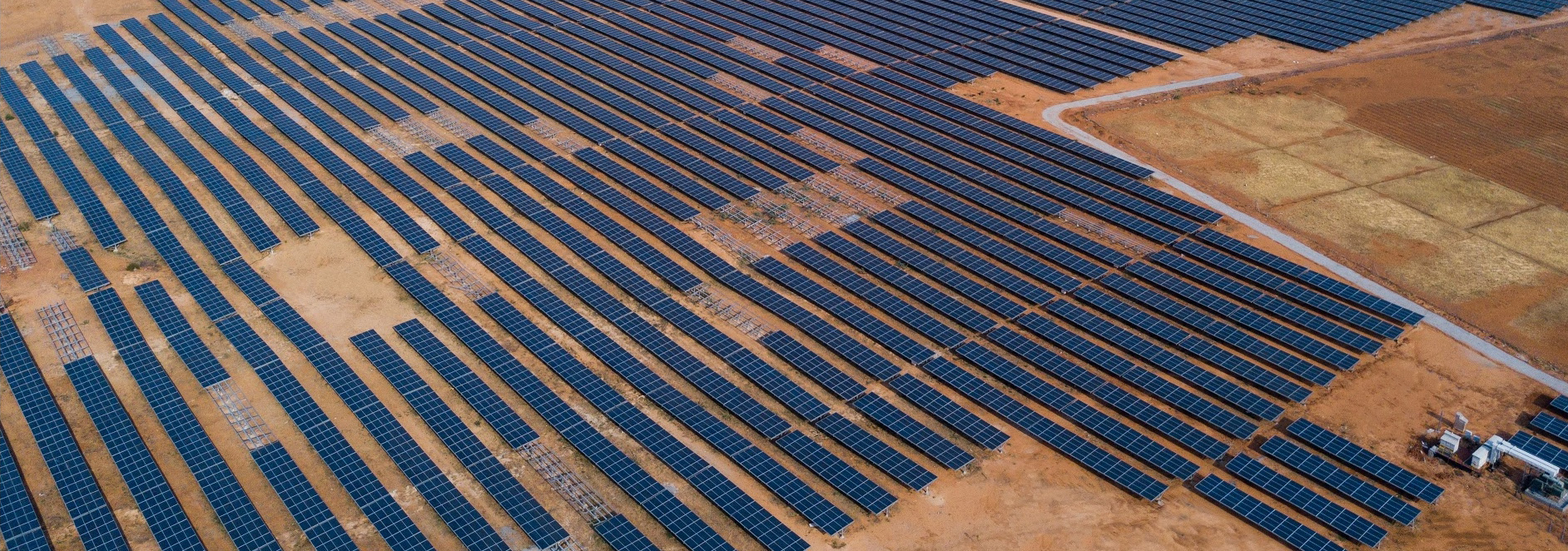
Adani Green Energy Limited (AGEL), India's largest RE company, said on February 14 that the project has already “operationalized 551 megawatts solar capacity in Khavda, Gujarat, by supplying power to the national grid,” which took a year.
“The region is endowed with one of the best wind and solar resources in the country, which makes it ideal for giga-scale RE development. AGEL conducted extensive studies and deployed multiple innovative solutions to accelerate the development of the plant,” said AGEL in a statement.
Is this as good as it sounds?
When COP28 concluded with demands for RE followed by EU climate monitors marking 2023 as the hottest recorded year, the world clamored for urgency in addressing climate change.
The transition to RE is ever-crucial, but so are our biodiversity, landscapes, and ecosystems, which are plagued by what appears to be a paradox behind AGEL’s gigantic park.
Despite how well-intentioned such efforts may be, without proper, research-backed environmental impact assessments, could this be bringing more harm than good to the planet?