







P100 wage hike is not the only option, says ranking solon


At A Glance
- After the Senate's approval of the P100 minimum wage hike bill, a ranking lawmaker in the House of Representatives commented that there are alternatives to helping Filipinos make ends meet.
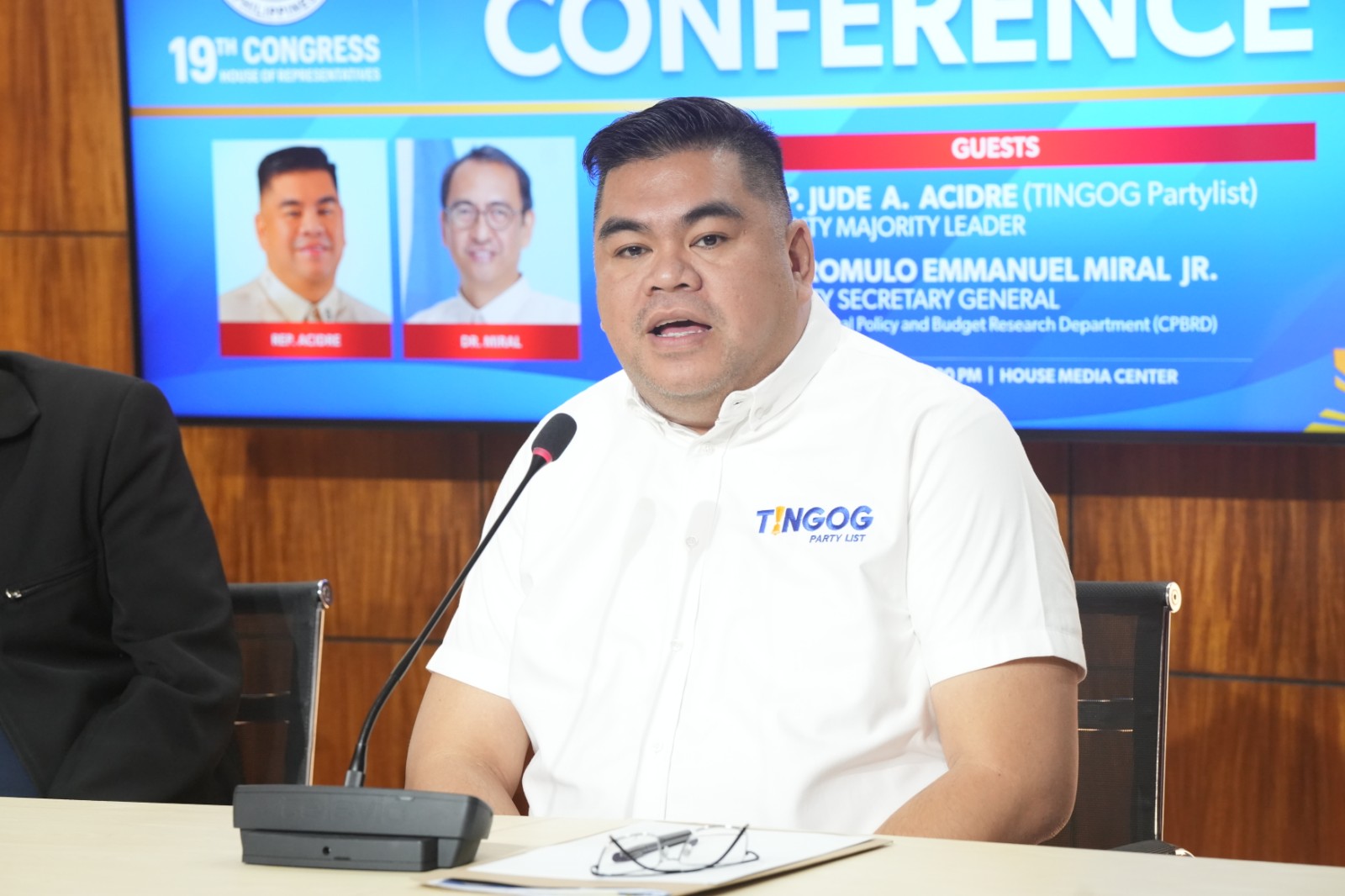 Tingog Party-list Rep. Jude Acidre (PPAB)
After the Senate's approval of the P100 minimum wage hike bill, a ranking lawmaker in the House of Representatives commented that there are alternatives to helping Filipinos make ends meet.
In a press conference on Thursday, Feb. 22, House Deputy Majority Leader Rep. Jude Acidre said the approved bill offered a rather “limited” view on the welfare of workers and businesses.
“Hindi lang naman ito ang pamamaraan eh (This is not the only approach),” said Acidre, who is representative of Tingog Party-list.
“Mayroon pa naman tayo itong AKAP, for example, ay isang tulong para doon sa manggagawa nating minimum wage earners. Mayron din tayong mga programa na tulong din sa ating mga MSMEs (Micro, small and medium enterprises),” he added.
(We still have this AKAP, for example, as an aid for our minimum wage earners. We also have programs that also help our MSMEs.)
The Ayuda para sa Kapos ang Kita, or AKAP for short, is a program under the Department of Social Welfare and Development (DSWD) that aims to help minimum wage workers and those considered “near poor” from the impact of inflation.
Programs that are currently aiding MSMEs include the Go Negosyo Act, the Magna Carta for MSMEs, and the Barangay Micro Business Enterprise Act, among others.
“Ang kailangan lang dito, pagsamahin natin ang ating mga stakeholders, huwag po tayong limited na legislated wage hike lang ating solusyon,” Acidre said.
(All that is needed here is to unite our stakeholders, let's not limit our solution to a legislated wage hike.)
The ranking solon says the House of Representatives--the other chamber in the bicameral Congress--is tackle its discussion on the wage hike starting next week. He said the proposed legislated salary increase from the House ranges from P150 to P350.
“We don’t want to preempt the discussions in the committee but what is clear to us is we have to be sensitive to the welfare of our workers, making sure that they have a living wage that is responsive to their needs,” Acidre noted.
“But also we want to make sure that our businesses, for so long contributed to the economic welfare of our nation, should also get the support that they need,” he added.