







The connection between mindfulness and mental health
You can't have one without the other


At A Glance
- Mindfulness involves being fully present in the moment, cultivating awareness, and practicing non-judgmental acceptance. This practice has the potential to transform our reactions to life's challenges and improve our overall mental health.
By JACQUELINE LUCERO
Images from Freepik
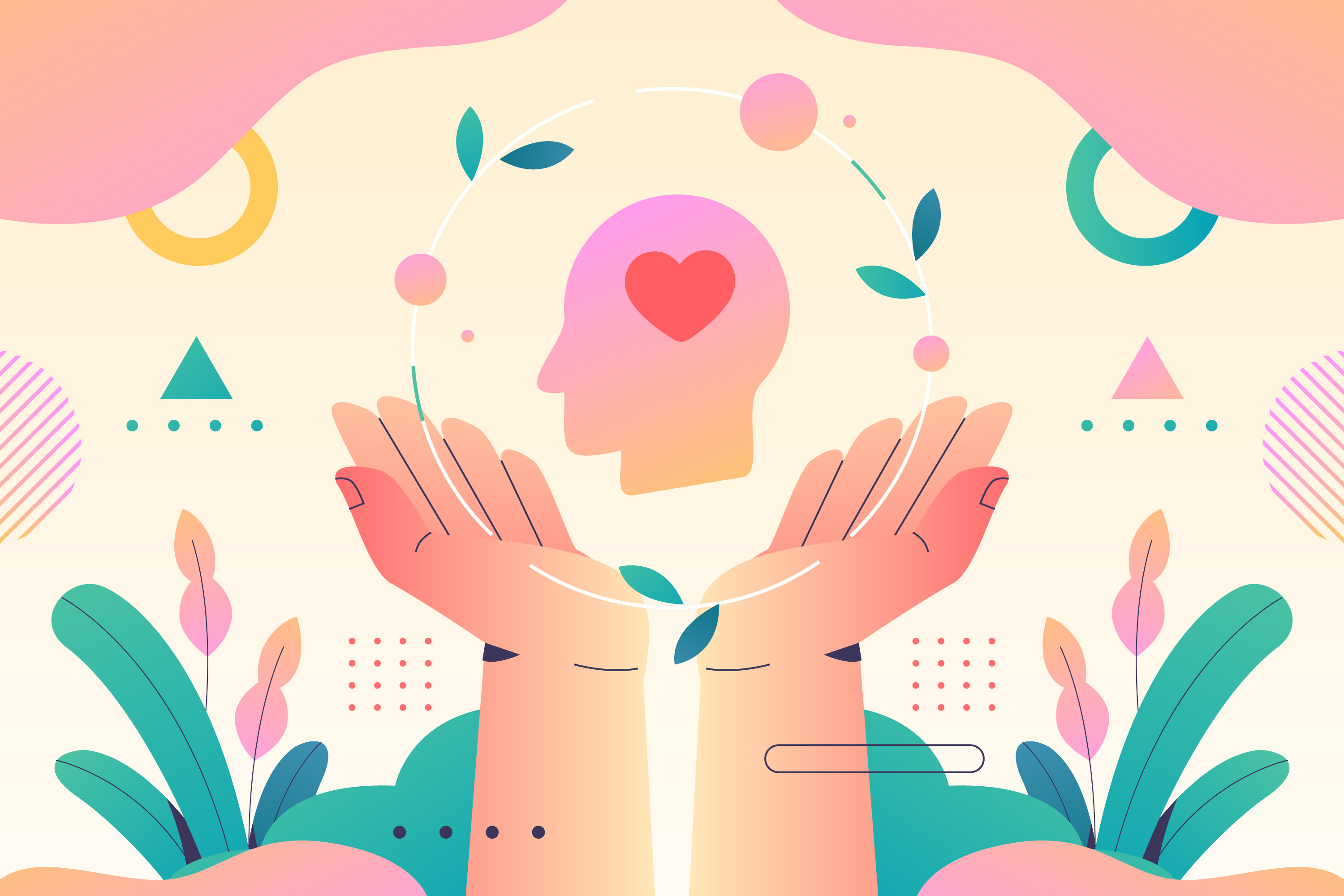
In the hustle and bustle of our everyday lives, we often find ourselves submerged in a sea of stress, worries, and numerous concerns. Imagine these stressors as drops of water filling a glass, making it overflow with the weight of daily life, including work, health, emotions, and relationships.
There are powerful tools, however, such as meditation, therapy, counseling, and more, that can help reduce the stress levels in this overflowing glass and make it more manageable. One significant aspect of mental well-being is the connection between mindfulness and mental health. Mindfulness involves being fully present in the moment, cultivating awareness, and practicing non-judgmental acceptance.
This practice has the potential to transform our reactions to life's challenges and improve our overall mental health. Mindfulness serves as a cornerstone for mental well-being by anchoring us in the present moment. It goes beyond the hustle of daily life, inviting a heightened awareness of our surroundings, emotions, and thoughts. Through this practice, we learn to observe without judgment, fostering a compassionate understanding of ourselves. This shift in perspective becomes a powerful tool, reshaping our reactions to life's challenges.
By embracing mindfulness, we open a gateway to improved mental health, as it encourages resilience, reduces stress, and enhances our overall emotional well-being. In personal relationships, especially when stuck in unhealthy patterns, reactions can become toxic. For instance, when faced with anger, we may respond with words we later regret. This is where the fundamental practices of awareness, love, compassion, and wisdom play a crucial role.
Awareness allows us to recognize our emotional triggers, creating a space for thoughtful responses. Love and compassion guide us towards understanding, fostering a connection beyond immediate conflicts. Wisdom acts as a beacon, helping us choose responses that contribute to the health and growth of the relationship, ultimately transforming toxic dynamics into opportunities for connection and understanding.
Various types of awareness meditation, including breath awareness, sounds, body sensations, mental recitation, and open awareness, serve as effective tools to break free from reactive tendencies. By incorporating awareness meditation into your daily routine, you can develop the ability to catch yourself before mindlessly reacting to triggers. Imagine meditation as a filter that helps sift through the noise of emotions and reactions. When someone raises their voice, instead of immediately lashing out, you pause, close your eyes and become aware of your breath and emotions. This moment of awareness gives you the choice to respond with compassion and understanding rather than reacting impulsively. Catching yourself in the midst of a reaction is the first step towards transformation. It allows you to pause, observe, and consciously choose your response. Over time, this practice becomes a powerful tool to navigate life's challenges with greater ease.

It's important to acknowledge that we may not eliminate all reactive tendencies entirely, but the key lies in the habit of catching, observing, and letting go. The journey toward improved mental health is gradual, and consistent mindfulness practices contribute to lasting transformation. As you engage in meditation regularly, you begin to witness a positive shift in your mental landscape. The overflowing glass of stress and tension becomes more manageable, creating space for clarity and calmness. The practice of mindfulness not only benefits your immediate reactions but also fosters a profound inner transformation. Cultivating a daily meditation habit is a foundational step in self-improvement.
To start your meditation journey, keep it simple. If your day begins at 6 am, consider waking up a bit earlier for a quiet meditation. While there's no specific "right" time to meditate, setting an intention to have dedicated time for yourself is helpful. Find a comfortable sitting position in a quiet corner, ensuring good ventilation. Close your eyes and focus on your breath. Acknowledge that your mind will wander (like a monkey mind), so give it the task of focusing on your breath. Initially, it might seem uneventful, but with consistent practice, especially over several days, you'll notice a reduction in mind chatter. There's no need for special phrases or rituals—simply guide your monkey mind to concentrate on your breath.
In time, as you dedicate more days to meditation, you'll experience the spill-over benefits in your overall well-being and daily life. In essence, the connection between mindfulness and mental health is about reclaiming control over your reactions and building a foundation of resilience. Through awareness meditation, you empower yourself to respond to life's challenges with a sense of calm and clarity. The ripples of this practice extend beyond the moments of meditation, influencing your overall well-being and the quality of your relationships. In summary, incorporating mindfulness practices into your daily routine is a powerful strategy for enhancing mental health. The simple act of being present in the moment, coupled with meditation, serves as a transformative tool. As you catch, observe, and let go of reactive tendencies, you pave the way for a healthier and more balanced life. Embrace the journey of mindfulness, and watch as it brings about positive changes in your mental well-being.