







Prevention, cheaper medicines: Keys to enhanced cancer control


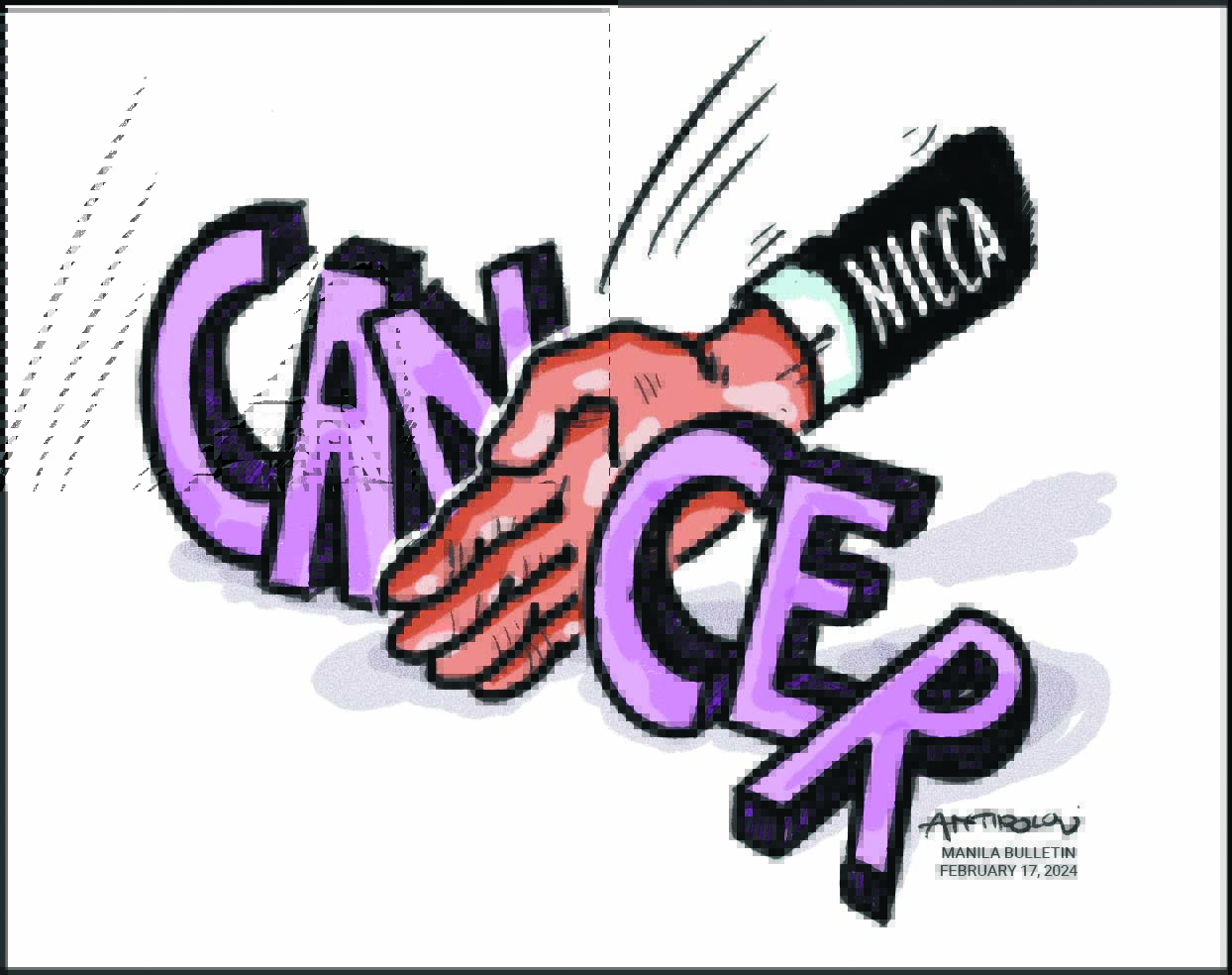
A cancer diagnosis is not easy to deal with for both the patient and the family. It not only disrupts the mood of the day, it changes the way the following days, or months, will roll out. To many, the first thought is that treatment will entail much financial resources, and yet, it may still be fatal.
While the support of family and friends can alleviate the anxiety, the more pressing need is treatment which requires a lot of money.
Five years ago, the National Integrated Cancer Control Act (NICCA) was signed which “shall endeavor to prevent cancer and improve cancer survivorship by scaling up essential programs and increasing investments for robust prevention of cancer…It shall likewise make cancer treatment and care more equitable and affordable for all, especially for the underprivileged, poor and marginalized Filipinos.”
The enactment of the law in 2019 marked a significant milestone, improving access to cancer centers, providing financial support, and establishing a multi-sectoral council for policy-making, planning, and coordination in cancer prevention and control.
To celebrate its anniversary, the Department of Health (DOH) and the World Health Organization (WHO) launched on Feb. 14, the 2024-2028 National Integrated Cancer Control Program (NICCP) Strategic Framework to strengthen the mechanisms to fight cancer. It outlines the vision and mission of the NICCC and projects the desired impact to be achieved over the next four years.
In the Philippines, cancer is the second leading cause of mortality in 2022, according to the Philippine Statistics Authority. Lung, breast, and liver cancers top the mortality list, as reported by the WHO International Agency for Research on Cancer-Global Cancer Observatory (IARC-GCO).
One of the key provisions of NICCA is the establishment of the Cancer Assistance Fund and the Cancer and Supportive-Palliative Medicines Access Program, which provide financial support and free medicines. There are now 35 access sites across the country offering 61 medicines for the most common cancers, the DOH said.
DOH has also designated Cancer Specialty Centers and Primary Care Facilities to provide comprehensive cancer care and prevention services.
The urgent need for more financial support for cancer treatment has been sounded by the Philippine College of Surgeons Cancer Commission Foundation (PCS CanCom), calling on government to expand the list of cancer medicines exempted from value-added tax.
“We are grateful for the addition of two innovator drugs for advanced colorectal and breast cancer to the list of VAT exempt cancer medicines,” said PCS CanCom Chairman Manuel Francisco Roxas.
The foundation, which aims to be the leader in advancing value-based, high-quality cancer surgery services and pioneering research, welcomed the announcement of the Bureau of Internal Revenue (BIR) exempting 21 medicines from VAT.
However, PCS CanCom recommended including other cancer treatment drugs in the list to make cancer care affordable to patients in the Philippines because “the high cost of cancer drugs is a major barrier in completing treatment among Filipino patients.”
“Together with a vigorous cancer prevention, screening and early detection program, making cancer medicines more affordable will contribute to an increased cancer survivorship and better health outcomes nationwide,” Roxas said.
As February is Philippine Cancer Awareness Month, more initiatives to increase awareness on the value of preventive measures, early detection, and treatment should be highlighted and discussed further. Awareness – and government policies – can contribute to cancer control measures.