







More than just pressing buttons
Debunking myths about esports with the country's top competitive players
By Poch Eulalia


At A Glance
- If you guys say you're athletes, I believe you, because I can't do what you do. —<br>Shaquille O'Neal (on esports players calling themselves athletes)

It has long been debated whether esports should be considered a “real” sport. Many quickly point out that it’s just a bunch of people playing video games. What they don’t see is there’s more to it than just sitting down and pressing buttons. Here are some common misconceptions about esports that we’ve debunked with the help of top players from the local competitive scene.
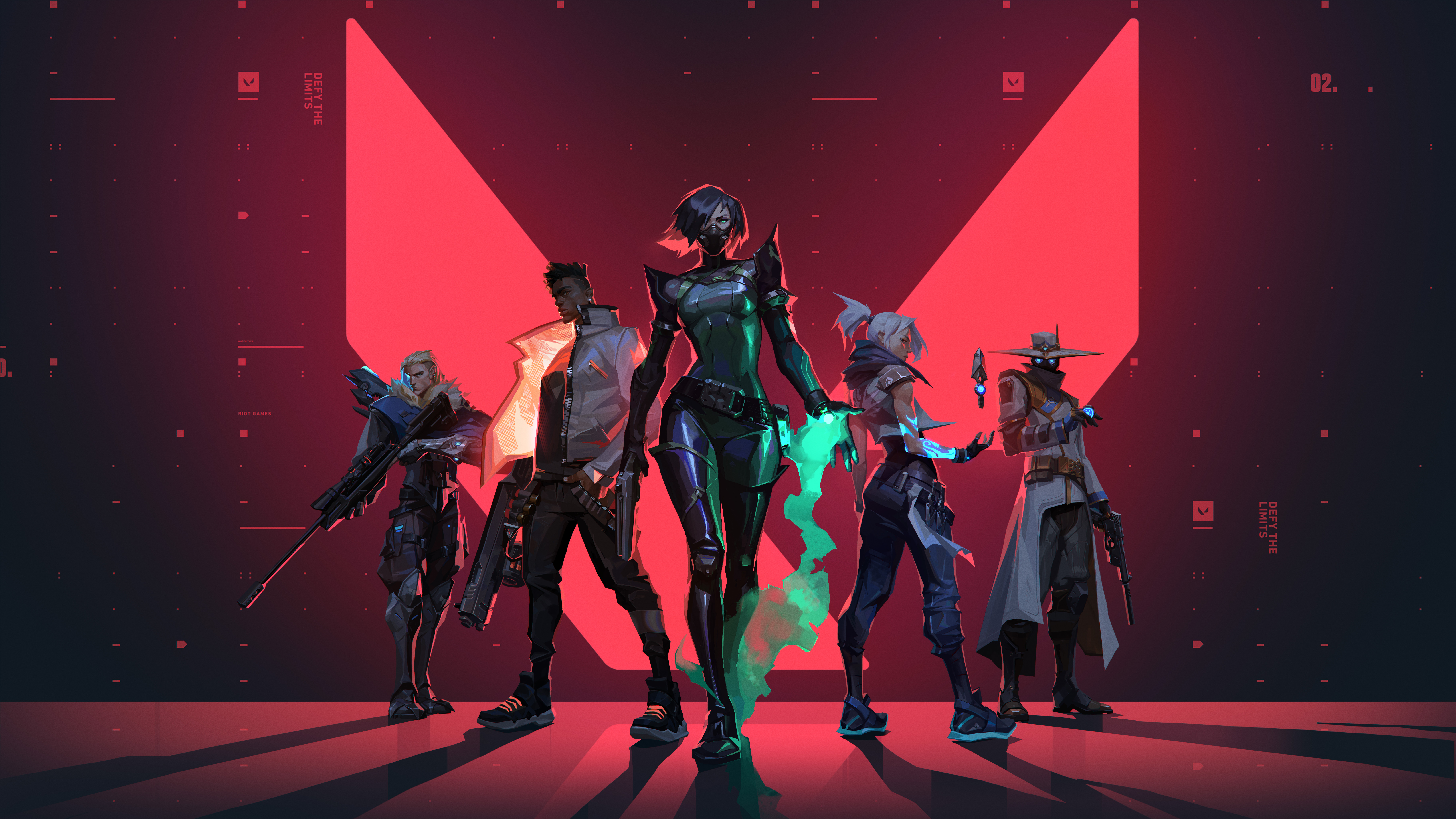
Riot Games’ Valorant is one of the top 5v5 competitive first-person shooter games worldwide. Team Secret is one of the country’s leading Valorant competitive teams, having participated in multiple international esports competitions and recently won the Pacific Predator League.
The team consists of Adrian Jiggs “invy” Reyes, Jim “BORKUM” Timbreza, Jeremy “Jremy” Cabrera, Noel “NDG” De Guia, and their Team Captain, Jessie “JessieVash” Cuyco. Joining them are Jon “tesseract” Michael Piga from NAOS Esports and Oasis Gaming’s Bhreyanne “Wild0reoo” Christ Reyes. Both come from prominent Tier 2 teams in the local competitive scene. Also chiming in their thoughts are Kelly “shirazi” Jaudian and Camille “Kamiyu” Enriquez of Team SMG.
Nobody wants to watch people playing video games.
Many think there’s no audience for watching people play video games competitively. Most assume that esports are merely people pressing buttons, not needing to do much. What they aren’t aware of is how serious most players take the game, allotting several hours daily to train and keep improving their skill in the game.
“‘Di ganun karami ‘yung sinuswerte sa esports. Hindi siya parang sports na tatagal ka. Kailangan talaga seseryosohin para manatili ka rin sa esports scene (Not too many people are lucky in esports. It’s not like sports where you can last longer. You need to treat it seriously to remain in the esports scene),” shares Jon. “‘Di ko sila masisi kasi di naman nila naranasan maging ganito. Opinion na ‘yun nila, okay lang (I can’t blame them because they never experienced to be like this. It’s their opinion, it’s okay).”
Esports has an age limit.
Esports is open to all ages. Just looking at Team Secret’s youngest and oldest members shows how anyone can pick up the game and show their passion for playing. At only 18 years of age, Jeremy shows no fear of being part of the competitive scene.
“Parang wala lang, same lang sa kanila (It’s nothing really, I’m just the same as the others),” says Jeremy. Meanwhile, Team Secret’s oldest member at 33 is Jessie. For him, age doesn’t matter. “Pag teammate, parang same age lang. Nakatingin kami sa individual skills nung isa’t isa. ‘Yung age, ‘di yan namin iniintindi (When it comes to teammates, it’s like we’re the same age. We look at each other’s skills. We don’t care about the age).”
Esports is only for guys.
Gaming in general has always been branded as an activity solely observed by the male demographic. Often there are even cases of other gamers harassing players upon finding out they aren’t male. “Before, natatakot ako maglaro to the point na hindi ako naglalaro na walang kasama (Before, I was scared of playing to the point that I wouldn’t play unless I had someone with me),” recounts Camille. “Right now, I’m trying to brush it off and just focus on myself. Wala rin naman ako magagawa so I just mute them (There’s nothing I can do anyway so I just mute them).”
Despite the discrimination most women can face in online lobbies, it doesn’t deter players like Kelly from putting down the mouse and keyboard as more women start to get into gaming. “I think stereotypes like these have lessened since before it was very uncommon to hear (about) girls playing video games. But now, since dumadami na ang mga Pinay na nag-gagaming, mas common na and people are used to it (But now, since there are more Pinays gaming, it’s more common and people are used
to it).” Here’s to hoping we see more women like Camille and Kelly join the competitive esports scene. It should encourage other aspiring girl gamers to keep playing and sharing their passion for the sport.
It’s not a ‘real’ sport.
Often people are quick to dismiss esports as “unreal.” They think it doesn’t take as much physical prowess as, say contact sports like basketball or football. What they don’t see is the mental conditioning and hand-eye coordination the players need to carry out in each match. “Siguro nung una, marami ang nag-doubt kasi hindi siya ganon kasikat. ‘Di naman siya physical. Mostly mental talaga ‘yung laro namin. Hindi alam ng maraming tao na mahirap din ‘yung ginagawa namin (I guess at first, many had doubts because it wasn’t that widespread. It’s not physical. Our game is mostly mental. Not too many people know that what we do is still difficult),” remarks Bhreyanne.
Deciding to be a competitive esports player means you’ve learned to love the game and are ready to take it to the next level. After hearing the stories from our country’s best Valorant players, we hope that readers learn that the esports scene is not one to be ignored. There is a big potential in supporting our local players by watching their matches and cheering them on.